






The End of the Annual Holiday
A fundamental shift is underway in how young Indians travel. The long-held tradition of saving up leave and money for one big yearly vacation is being replaced by a more fluid, bite-sized approach. Recent reports show that a staggering majority of Gen
Z travellers now prefer trips that last less than a week, with many opting for several small getaways instead of one long one. According to a 2026 survey from Airbnb, 70% of young Indian travellers would rather take three short trips than one long annual holiday. This trend, dubbed the 'micro-break' or 'micro-vacation', involves short, purposeful trips of two to four days, often planned around a weekend. It's a reflexive response to burnout, an open weekend, or a friend’s simple suggestion of “let’s go.” This move towards integrating travel into daily life reflects a generation that prioritises flexibility and regular mental health breaks over a single, exhaustive itinerary.
Spontaneity and Experience Over Everything
What fuels this new travel style? A blend of spontaneity, flexible work arrangements, and a deep-seated desire for authentic experiences. The rise of hybrid work models allows young professionals to blend work and travel, making it easier to take off for a few days without falling behind. More than that, Gen Z travellers are 'anti-itinerary'; for many, the absence of a plan is the plan. Data shows that two-thirds of young travellers book their trips just days or weeks in advance, not months. The motivation is no longer about seeing famous landmarks but about feeling something personal. These travellers prioritise unique cultural exploration, outdoor activities, or simply relaxing over ticking boxes. In fact, 90% actively seek out places that haven't gone viral, preferring hidden gems to popular hotspots, signalling a move towards personal discovery over chasing trends.
The Growing Information Gap
While the desire for spontaneous, authentic travel is strong, the information infrastructure hasn't fully caught up. Young travellers often find themselves navigating a gap between their needs and the resources available. The spontaneity of micro-breaks means they need real-time, reliable information on last-minute deals for transport and accommodation. While booking apps exist, finding verified, budget-friendly, and safe options on short notice can be a challenge. Furthermore, as travellers venture to offbeat locations, safety information, especially for solo or female travellers, becomes paramount. They also crave curated content that goes beyond generic tourist advice, focusing on unique local experiences, ethical travel practices, and stays that reflect their personality. This 'anti-itinerary' generation doesn't want a pre-packaged tour; they want the tools and verified information to build their own adventure safely and affordably.
What Better Information Looks Like
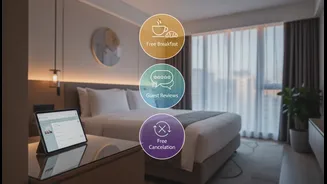
Closing this information gap requires a new approach from the travel industry and content creators. Young travellers need consolidated platforms that offer more than just bookings. Imagine a resource that provides real-time alerts on flash sales for weekend bus, train, and flight tickets. They need access to a verified database of homestays and boutique hotels in non-mainstream locations, complete with recent, honest reviews focusing on safety, cleanliness, and Wi-Fi stability for 'workations'. Practical, destination-specific safety guides are crucial, offering tips on local transport, cultural etiquette, and emergency contacts. Instead of Top 10 lists, this generation would benefit from curated guides based on interests like 'Slow Travel in the Hills', 'Coastal Cafes with Great Wi-Fi', or 'Ethical Wildlife Encounters'. Providing tools for spontaneous trip-planning—like interactive maps showing weekend getaways within a certain driving distance or budget—would empower them to explore confidently and make travel an even more integral, and safer, part of their lives.