





Start With a Kitchen Audit
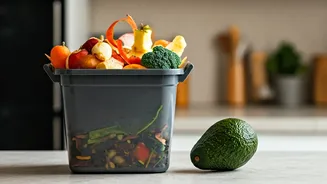
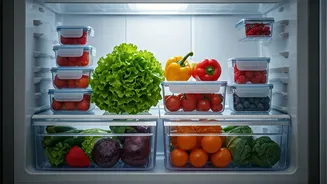
Before you even think about what to cook next week, take a thorough look at what you already have. Open your fridge, pantry, and freezer. What needs to be used up first? That half a bottle gourd (lauki), the last bit of paneer, or the tomatoes that are
just about to get too soft? Make a list of these perishable items. Your first few meals should be built around them. This “shop your pantry” approach is the single most effective way to immediately cut down on waste. It shifts your mindset from 'What do I want to eat?' to 'What do I need to use?' This simple habit prevents you from buying duplicates and ensures that the food you’ve already spent money on actually gets eaten.
Plan Around Your Staples
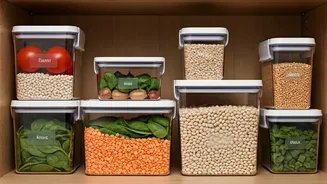
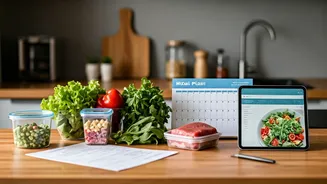
Every Indian kitchen runs on a core set of staples: dals, rice, atta, and a variety of spices. Use these as the foundation of your meal plan. Instead of planning seven entirely different, complex meals, think in modules. For example, decide you'll have a dal-based meal three times a week, a vegetable stir-fry (sabzi) four times, and maybe a legume-based curry like chana or rajma twice. Once you have this basic structure, you only need to decide on the specifics. Which dal will it be? Which seasonal vegetables will go into the sabzi? This approach simplifies decision-making, ensures you’re using your cost-effective pantry staples, and provides a balanced diet without overwhelming you with choices.
Create a Purposeful Shopping List
Once you know what you have and what you plan to cook, create a shopping list—and stick to it. This sounds simple, but it requires discipline. Group your list by category (vegetables, dairy, grains) to make your trip through the market or supermarket more efficient. Before you leave, have a quick meal to avoid hunger-driven impulse buys. A smart list isn't just about what to buy; it's also about quantities. If a recipe calls for 100g of paneer, don't automatically buy a 200g block unless you have a specific plan for the other half. Being precise at the purchasing stage is key to preventing surplus and waste later on.
Embrace Weekend Prep
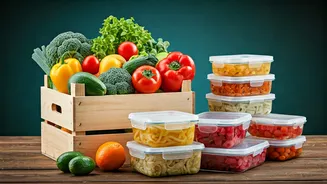
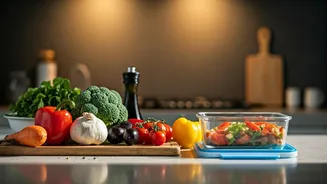
The biggest enemy of a good meal plan is weeknight fatigue. After a long day, the temptation to order in can be strong. Counter this with a bit of prep over the weekend. You don’t have to cook entire meals. Instead, focus on small tasks that make weekday cooking faster. You can chop onions, ginger, and garlic and store them in an airtight container. Make a big batch of basic tomato-onion gravy that can be the base for multiple dishes. You can even boil some potatoes or sprout legumes. Investing an hour or two on Sunday can save you countless hours and decision fatigue during the week, ensuring your home-cooked meal plan stays on track.
Love Your Leftovers Creatively
In an Indian kitchen, leftovers are not a sign of failure; they are an opportunity for creativity. Yesterday’s dry sabzi can become a delicious filling for a paratha or a sandwich for tomorrow’s lunch. Leftover dal can be thinned out with a little water and fresh tempering (tadka) to become a hearty soup. Extra rice can be quickly transformed into flavourful lemon rice or a vegetable pulao for a quick meal. Designate one meal a week as a “leftover buffet” to ensure everything gets cleared out from the fridge before your next big cook. This not only saves food and money but also gives you a well-deserved break from cooking from scratch.
Practice 'First In, First Out'
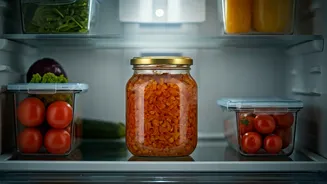
Organise your fridge and pantry so that older items are at the front and new items are placed at the back. This is a simple inventory management trick used by supermarkets that works wonders at home. When you buy a new packet of curd, place it behind the one you already have. When you store freshly chopped vegetables, put them behind the ones from two days ago. This visual cue prompts you to use up older ingredients first, drastically reducing the chances of finding a forgotten, mouldy item hidden in the back. It’s a small change in habit that pays big dividends in waste reduction.