







The Oil Effect: Beyond the Petrol Pump
When global crude oil prices rise, the most immediate impact is felt at the fuel station. But for India's food markets, the effect runs much deeper. India imports over 85% of its crude oil, so a price surge, like the recent trend keeping the Indian basket
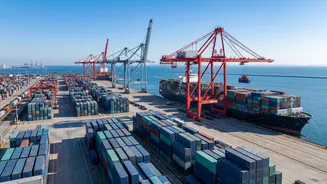
cost around $90 per barrel, creates ripples across the economy. Higher diesel prices increase the cost of running tractors for ploughing, pumps for irrigation, and trucks for transporting produce from farms to mandis and finally to local stores. This inflates the cost of everything from grains to vegetables before they even reach the shelf. Furthermore, crude oil derivatives are essential for manufacturing packaging materials and certain agrochemicals, adding another layer of cost that gets passed on to consumers. This persistent pressure from energy costs is a key reason why food inflation remains a concern, even when other factors are stable.
The Fertiliser Conundrum: Feeding Crops, Straining Budgets
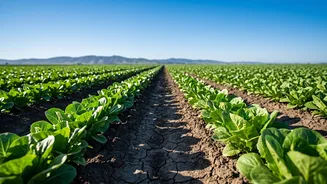
Fertilisers are vital for agricultural productivity, but India is heavily dependent on the world for these essential nutrients. The country is a major importer of key fertilisers like urea and di-ammonium phosphate (DAP), and also relies on imported natural gas to produce urea domestically. Recent geopolitical events and supply chain disruptions have caused global fertiliser prices to become volatile. While urea prices have seen some relief, the costs for DAP and muriate of potash (MOP) have jumped significantly in 2026. To shield farmers, the government provides substantial subsidies, selling fertilisers at a fixed, lower price and bearing the difference. However, when international prices surge, this subsidy bill balloons, putting immense pressure on government finances. This can lead to difficult choices: either pass on costs, risking higher food inflation, or absorb them, which can strain public spending in other critical areas.
The Rupee's Role: An Amplifier of Costs
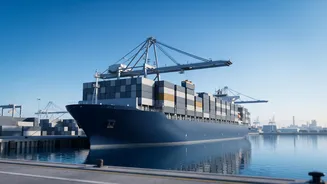
The value of the Indian rupee against the US dollar acts as a powerful amplifier for these global price shocks. Since commodities like crude oil and fertilisers are traded and paid for in dollars, a weaker rupee means India has to pay more for the same amount of goods. As of late August 2026, the rupee has been trading in the range of 95-96 against the dollar. When the rupee depreciates, the cost of every barrel of imported oil and every tonne of imported fertiliser automatically rises in rupee terms. This phenomenon is known as imported inflation. It creates a challenging cycle: a rising import bill for oil and other goods can widen the country's current account deficit, putting further downward pressure on the rupee. This dynamic ensures that volatility in global markets is felt directly in the wallets of Indian consumers, influencing the final price of food staples.
The Kitchen Table Impact
These three forces do not operate in isolation; they intertwine to create a complex web of economic pressure that ends at the Indian kitchen table. For instance, higher oil prices not only increase transport costs but can also weaken the rupee, which in turn makes fertiliser imports even more expensive. This triple squeeze directly impacts farm profitability and the affordability of food. Data for July 2026 showed that retail inflation rose to 4.45%, driven primarily by an increase in food inflation to 5.52%. Items like vegetables, pulses, and even services like restaurants see price hikes as these underlying costs mount. While factors like a good monsoon can provide temporary relief, the underlying sensitivity to these global economic currents means that household budgets in India remain exposed to events happening thousands of miles away.