


More Than a Meal: The Spirit of Bhog
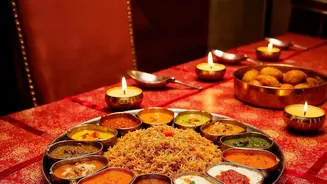
Before diving into the dishes themselves, it’s essential to understand the concept of 'bhog'. This is not just a communal lunch; it is a spiritual offering. Prepared with utmost purity and devotion, bhog is first offered to the goddess. Once blessed,
it becomes 'prasad', which is then distributed among devotees. This act transforms the meal from mere sustenance into a symbol of divine blessing, community, and equality, shared by everyone regardless of social standing. The entire process, from cooking to sharing, is steeped in a spirit of togetherness and gratitude.
The Soul of the Plate: Bhoger Khichuri
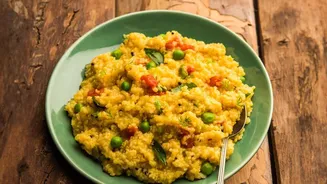
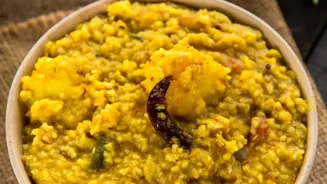
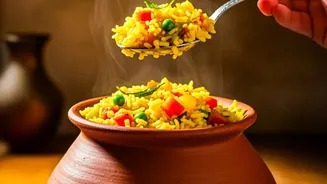
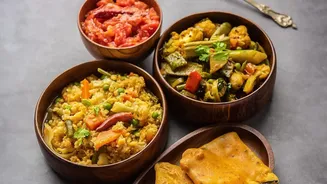
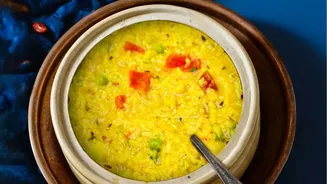
At the centre of this divine platter is the Bhoger Khichuri. This is not the everyday khichdi. Made without onions or garlic ('niramish'), this version is considered 'sattvik' or pure, making it a fitting offering for a deity. It's typically prepared with aromatic Gobindobhog rice and roasted moong dal, which imparts a distinctive nutty fragrance. Historically, khichuri was a practical choice for feeding large communities during festivals, especially during times of poor harvest. Today, its significance is deeply cultural, representing purity, nourishment, and a connection to ancestral traditions. The dish symbolises adoration for the first fruits of agricultural labour and is believed to nourish both body and soul.
The Perfect Partner: Labra's Medley
Accompanying the khichuri is Labra, a quintessential Bengali mixed vegetable dish. Like the khichuri, it is 'niramish' and prepared without onion or garlic. Labra is a vibrant medley of seasonal vegetables such as pumpkin, potatoes, eggplant, and plantain, all cooked together until they are soft and have almost melted into one another. The genius of Labra lies in its symbolism; the coming together of diverse vegetables into a single, harmonious dish represents unity and inclusivity. Seasoned with 'panch phoron' (a five-spice blend) and cooked in mustard oil, its flavour is complex yet comforting. This dish, believed to be a favourite of the 15th-century saint Chaitanya Mahaprabhu, perfectly complements the creamy texture of the khichuri.
A Sweet and Tangy Counterpoint
To complete the holy trinity is the sweet and tangy tomato chutney. Often enriched with dates (khejur) and mango leather (aamshotto), this chutney serves as a delicious palate cleanser. Its vibrant flavour cuts through the richness of the ghee-laden khichuri and the earthiness of the labra, providing a perfect balance. In the sequence of a traditional Bengali meal, the chutney course acts as a bridge between the savoury main dishes and the final dessert. It’s the final flourish that elevates the entire plate from a simple meal to a symphony of balanced flavours—savoury, sweet, and tangy all at once.
A Symphony of Flavours and Meaning
The combination of khichuri, labra, and tomato chutney is more than just a tradition; it's a perfectly balanced culinary experience. The khichuri offers a wholesome, protein-rich base. The labra provides a wealth of nutrients from various vegetables. The chutney aids digestion and adds a final layer of complexity. Together, they form a complete, nourishing meal that is both spiritually pure and gastronomically satisfying. This platter is a testament to the simple genius of traditional cooking, where each component has a role and a reason. It is a meal that evokes nostalgia, faith, and the unparalleled joy of festive community dining.