








Why Your Grades Are No Longer Enough
For decades, a high CGPA from a reputable college was the golden ticket. Today, it’s just the entry fee. India's job market is flooded with graduates, with nearly 1.5 million engineers alone graduating annually. [9] Recruiters are overwhelmed with applications
and need a better way to filter candidates. [15] This has led to a major shift away from degree-based screening toward skills-first recruitment. [4] A stunning 73% of recruiters now say that a premier college tag doesn't significantly impact their hiring decisions. [13] They are looking for tangible proof of your abilities, something that goes beyond theoretical knowledge. The employability rate for Indian graduates hovers around 56%, meaning a large portion are not considered job-ready by companies. [4, 8] This gap between what classrooms teach and what industries need is precisely why practical experience has become the new differentiator. [18, 25]
The Rise of Skills-Based Hiring and AI
Companies today care less about what you studied and more about what you can do. [12] This trend, known as skills-based hiring, prioritizes your practical competencies. [17] The rise of Artificial Intelligence (AI) has accelerated this change. AI can now automate many routine, entry-level tasks, reducing the need for large teams of freshers who learn on the job. [3, 6] As a result, fresher hiring in the tech sector has seen a steep drop, and companies are forming smaller, more productive teams with specialised skills. [3, 7] However, AI is also creating new roles for those who can adapt. [4] Recruiters now use AI-powered tools to scan resumes for specific keywords related to skills and tools, not just degrees. [27] If your resume doesn't highlight hands-on experience, it might not even be seen by a human. [15]
Internships: Your Professional 'Test Drive'
An internship is no longer a nice-to-have summer activity; it's a critical career milestone. It serves as a low-risk "try-before-you-buy" strategy for employers, allowing them to evaluate your skills, work ethic, and cultural fit over several weeks—something a 20-minute interview can't do. [23] For students, it's a chance to apply classroom theory to real-world problems, build a professional network, and gain clarity on your career path. [5, 14] Many companies now use internships as their primary hiring funnel, with a significant percentage of interns receiving Pre-Placement Offers (PPOs). [22, 23] Data shows that interns are far more likely to secure full-time employment than non-interns. [23] An internship proves you can navigate a professional environment, handle deadlines, and work in a team—skills every employer values. [11, 14]
Projects: Show, Don't Just Tell
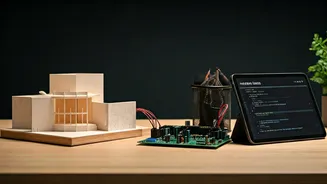
While internships provide formal experience, personal projects demonstrate your initiative and passion. [19] A project-based resume is a powerful tool for freshers, as it provides concrete evidence of your skills. [15] In fields like software development, design, and data analytics, a portfolio of projects is often more persuasive than a list of courses. [19] Recruiters want to see what you've built, what problems you've solved, and what the outcome was. [4, 21] This doesn't have to be a massive undertaking. A well-documented project on GitHub, a personal finance tracker, or even a detailed analysis of a public dataset can make your profile stand out. [19] These projects prove you can learn independently and apply your knowledge to create something tangible, a highly sought-after trait in today's job market. [15, 20]
How to Make Your Experience Count
Securing an internship or completing a project is only half the battle; showcasing it effectively is just as important. When listing projects on your resume, treat each one like a mini-case study. [21] Use bullet points to describe the problem, the tools and technologies you used, your specific contribution (especially in group projects), and any measurable results you achieved. [20] For instance, instead of saying "Worked on a marketing campaign," write "Contributed to a social media campaign that increased engagement by 15% over three months." If your project is on a platform like GitHub, Behance, or a live website, always include the link. [21] During interviews, be prepared to discuss your projects in detail. These conversations are often more important than textbook questions, as they reveal your problem-solving process and your passion for your field. [19]