



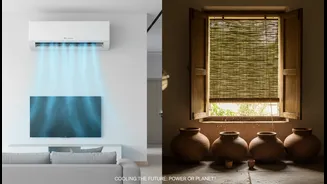
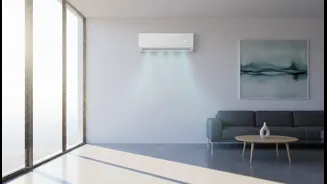


The Soaring Need for Cooling
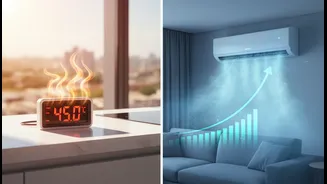
India's demand for cooling is growing at an unprecedented rate. A combination of rising incomes, rapid urbanisation, and more frequent, intense heatwaves is driving a massive surge in the purchase of air conditioners. This boom in cooling appliances is putting
immense strain on the nation's power grid, which saw a record demand of 270 gigawatts in May 2026, largely fuelled by AC use. The India Cooling Action Plan (ICAP) estimates that without intervention, the country's cooling demand could grow 11-fold by 2037 compared to 2017 levels. This makes smart, efficient cooling not just a matter of comfort, but a national necessity.
Low-Cost Habits for Immediate Relief
Before you invest in expensive hardware, simple changes in daily habits can make a significant difference. Block out the sun during the hottest parts of the day (typically 10 a.m. to 5 p.m.) by keeping curtains and blinds closed. Light-coloured curtains are particularly effective as they reflect heat. Schedule heat-generating activities like cooking, laundry, or ironing for cooler morning or evening hours. At night, if the outside temperature drops, open windows on opposite sides of your home to create cross-ventilation and flush out the day's accumulated heat. Ensure your ceiling fan is rotating counter-clockwise (as you look up at it) to push cool air downwards, creating a wind-chill effect.
Smart Cooling for Renters
Renters often face restrictions on permanent installations, but there are many effective, non-permanent solutions. Portable air coolers offer a budget-friendly alternative to ACs and can be very effective, especially in dry climates. Enhance their effect by using traditional methods like hanging damp sheets or Khus-Khus mats (vetiver screens) in front of a window or fan; the evaporation process naturally cools the air. Use reflective solar films on windows, which are easy to apply and remove, to block a significant amount of solar heat. Strategically placing plants on balconies or near windows can also create a cooler micro-environment through a process called evapotranspiration.
Long-Term Investments for Homeowners
For those who own their homes, investing in the building's envelope can yield substantial long-term benefits. Applying a 'cool roof'—either through white reflective paint or specialized tiles—can dramatically reduce heat absorption. Improving wall and roof insulation is another powerful strategy to prevent heat from transferring indoors. Consider planting deciduous trees on the west and south sides of your property; they provide shade in the summer and allow sunlight through in the winter. Reviving traditional architectural elements like 'jaalis' (perforated screens) or installing pergolas over windows can provide shade while allowing for ventilation.
Choosing the Right Appliance
When buying an air conditioner, looking beyond the initial price tag is crucial. The Bureau of Energy Efficiency (BEE) star rating is your most important guide. A 5-star AC can consume 25-30% less electricity than a 1-star model. While the upfront cost is higher, the savings on your electricity bill can pay back the difference in just a few years. Pay attention to the Indian Seasonal Energy Efficiency Ratio (ISEER), which gives a more realistic measure of an AC's performance across a season's varied temperatures. Also, note that BEE standards are periodically tightened; a 5-star AC from a few years ago might only be equivalent to a 4-star today under the newer, stricter norms that began in 2026.