


Puttu and Kadala Curry: The Breakfast of Champions
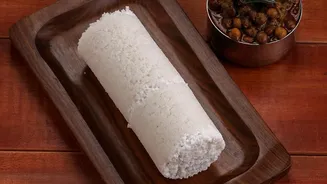
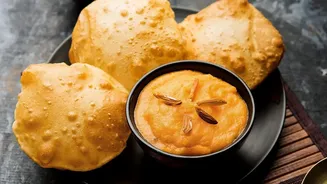
A staple breakfast across the state, Puttu is a unique dish made of steamed cylinders of ground rice layered with freshly grated coconut. Its origins are traced back to both Kerala and Tamil Nadu, where rice and coconut are dietary foundations. The puttu
itself is soft, crumbly, and has a mild sweetness from the coconut. It’s almost always paired with Kadala Curry, a robust and spicy curry made from black chickpeas cooked in a roasted coconut gravy. The combination is a perfect balance of textures and flavours—the soft puttu soaking up the spicy, earthy curry. It is a protein-rich meal that is as healthy as it is delicious.
Appam and Stew: A Delicate, Colonial-Era Pairing
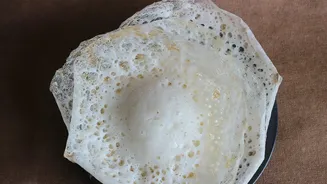
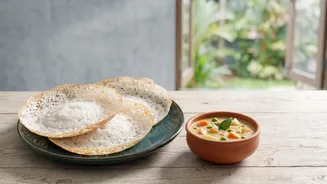
Appam, also known as Palappam, is a testament to the art of fermentation. These bowl-shaped pancakes are made from a fermented rice and coconut milk batter. Cooked in a special curved pan called an 'appachatti', the result is a pancake with a wonderfully soft and spongy centre and crispy, lace-like edges. The perfect partner for the delicate appam is Ishtu, the local adaptation of the English word 'stew'. This mildly spiced, creamy curry is made with a coconut milk base and features either vegetables, chicken, or mutton, gently flavoured with whole spices like cinnamon and cardamom. This pairing is particularly popular within Kerala's Syrian Christian community, often served for festive breakfasts.
Thalassery Biryani: The Pride of Malabar
While biryani is famous across India, the Thalassery version from the Malabar region is in a class of its own. Its uniqueness comes from the use of Kaima or Jeerakasala, a locally grown short-grain aromatic rice, instead of the long-grain basmati. Influenced by Arab and Persian traders who settled along the coast, this biryani has a distinct flavour profile developed by the Mappila (Muslim) community. The meat and rice are cooked separately before being layered and slow-cooked in a sealed pot, a method known as 'dum'. The masala is fragrant but not overpowering, with a characteristic blend of spices, fried onions, cashews, and raisins, creating a rich and aromatic culinary experience.
Karimeen Pollichathu: A Backwater Treasure
This dish is a true taste of Kerala's backwaters. Karimeen, or Pearl Spot fish, is a local delicacy. For Karimeen Pollichathu, the fish is marinated in a blend of spices, lemon juice, and herbs, and then pan-fried until it's partially cooked. The magic happens in the next step: the fish is coated in a thick, spicy masala made with onions, tomatoes, ginger, garlic, and green chillies, then wrapped tightly in a banana leaf. This packet is then grilled or cooked on a hot tawa. The banana leaf imparts a subtle, smoky aroma while steaming the fish in its own juices and spices, resulting in a dish that is incredibly moist, tender, and bursting with flavour.
Pazham Pori: The Quintessential Evening Snack
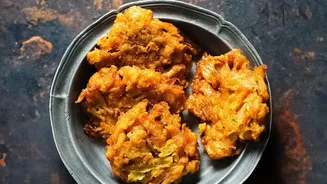
No exploration of Kerala food is complete without mentioning its beloved evening snacks, or 'naalu mani palaharam'. The undisputed king of these is Pazham Pori, or banana fritters. However, these aren't made with just any banana. The recipe specifically calls for Nendran Pazham, a type of ripe plantain that is firm and sweet. The plantains are sliced, dipped in a simple batter of flour, a pinch of turmeric for colour, and a little sugar, and then deep-fried until golden and crispy. The result is a perfect contrast of a crunchy exterior and a soft, sweet, and slightly gooey interior. It's the ultimate comfort food, often enjoyed with a hot cup of tea, especially on a rainy day.
Kallumakkaya Ularthiyathu: A Coastal Speciality
From the coastal regions, especially Malabar, comes Kallumakkaya Ularthiyathu, or Mussel Stir-fry. Mussels are a popular seafood in Kerala, harvested from coastal rocks. This dish is a spicy and dry preparation where the cleaned mussels are cooked with a flavourful mix of shallots, ginger, garlic, green chillies, and a host of powdered spices like turmeric, chilli, and pepper. Often, small pieces of coconut are added for extra texture and flavour. The mixture is stir-fried until the masala coats the mussels and the dish becomes relatively dry. It's a robustly flavoured dish that perfectly captures the essence of Kerala's coastal cuisine.