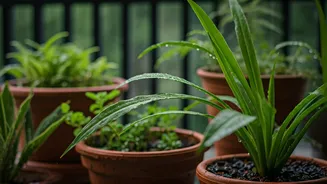


The Double-Edged Sword of Monsoon Rains
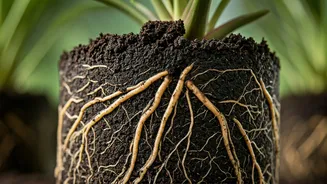
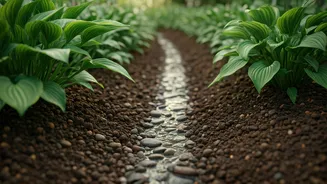
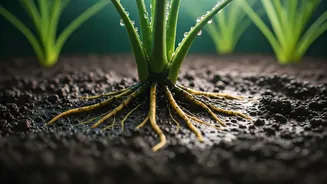
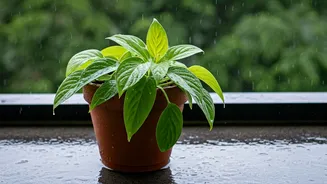
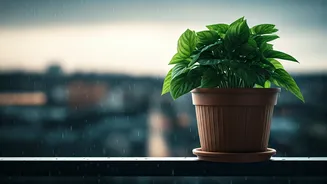
July's monsoon showers feel like a blessing after the summer heat, and plants respond with vigorous growth. However, relentless rain can be destructive. When soil becomes saturated, it leads to waterlogging. This condition suffocates plant roots by cutting
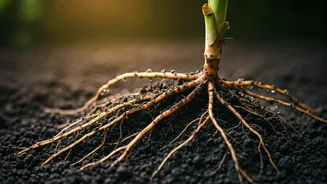
off their oxygen supply, a common reason why plants wilt and die despite the soil being wet. Furthermore, the constant dampness and high humidity create a perfect breeding ground for fungal diseases like root rot, powdery mildew, and leaf spot, which can devastate a garden quickly. The challenge for gardeners is not a lack of water, but an excess of it.
Your First Line of Defence: Clean Pot Drains
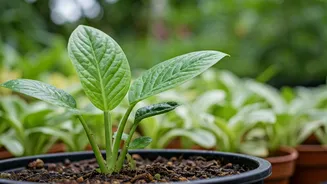
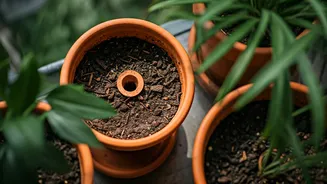
Every potted plant's survival during the monsoon depends on its drainage holes. These small openings are the primary exit for excess water. Heavy rains can easily compact soil, and mud or plant roots can clog these holes, trapping water inside the pot. It's crucial to regularly check them. A simple way is to gently tilt the pot after a shower to see if water runs out. If a pot feels unusually heavy or water pools on the surface, the drains are likely blocked. Use a small stick or a nail to carefully clear any obstructions. Ensuring these drains are open is the most important step to prevent waterlogging and root rot.
The Silent Danger of Water in Trays
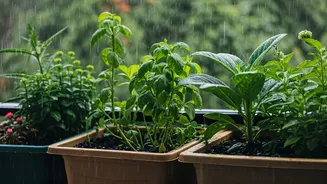
The saucer or tray placed under a pot to catch runoff can become a serious problem during the monsoon. While useful indoors, leaving pots sitting in water-filled trays outdoors is a recipe for disaster. This stagnant water keeps the soil at the bottom of the pot constantly saturated, which prevents air from reaching the roots and leads to the same root rot you were trying to avoid. These pools of water also become breeding grounds for mosquitoes. Make it a daily habit to empty all plant trays. Better yet, consider removing them entirely for the season or lifting your pots onto bricks or pot feet to elevate them, allowing air to circulate and water to drain away freely.
Soil, Support, and Strategic Pruning
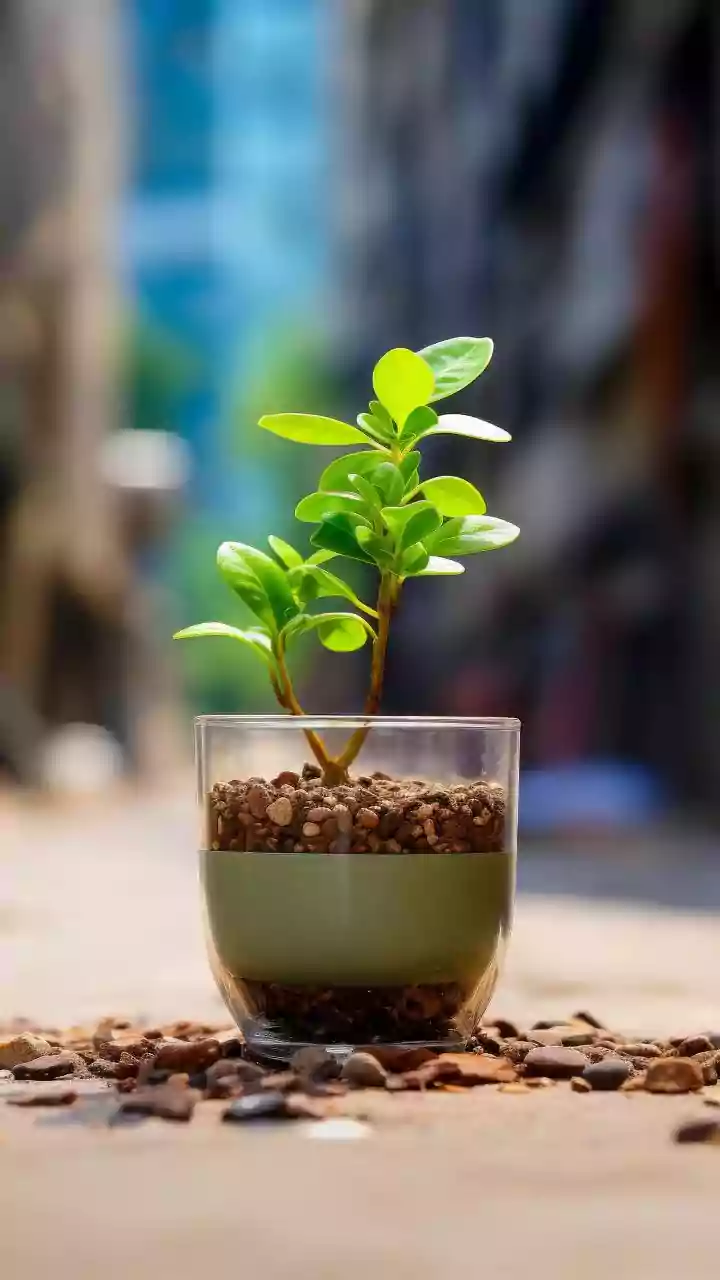
Beyond drainage, a few other adjustments can significantly help your garden. If you're repotting, use a well-draining soil mix; adding materials like sand, perlite, or coco peat improves porosity. Strong monsoon winds can snap stems, so provide support for taller plants with stakes. Pruning is also essential. Trimming overgrown branches and removing dead or yellowing leaves improves air circulation around the plant, which helps foliage dry faster and reduces the risk of fungal infections spreading. It also encourages the plant to direct its energy towards healthy new growth.
Watch for Pests and Diseases
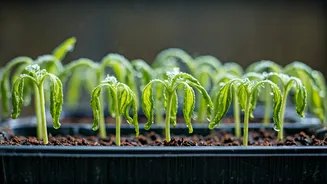
The humid weather encourages pests like slugs, snails, aphids, and mealybugs. Regularly inspect your plants, especially the undersides of leaves, for any signs of infestation. Fungal diseases often appear as white powdery coatings (powdery mildew), yellow or brown spots on leaves, or wilting. At the first sign of trouble, remove the infected leaves to prevent the issue from spreading. A preventive spray of a natural fungicide like neem oil solution every 10-15 days can offer protection against many common monsoon diseases.