



Why Humidity is a Hidden Danger
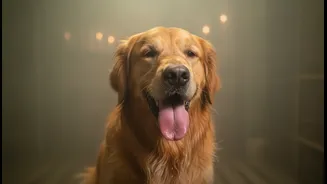
Unlike humans, who sweat to cool down, dogs primarily cool themselves by panting. This process relies on the evaporation of moisture from their respiratory tract. When the air is saturated with humidity, this evaporation is far less effective. The pet
breathes in moist air and struggles to expel heat, causing their internal body temperature to rise. This makes humid conditions particularly hazardous, as the risk of overheating can occur even at moderate temperatures that might otherwise seem safe. Cats are also at risk; while they rely more on grooming and finding cool surfaces, high humidity limits the effectiveness of these cooling methods as well.
Spotting the Early Warning Signs
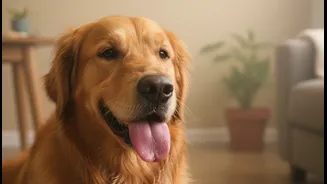
Recognizing the signs of overheating early is critical. Initial symptoms are often subtle but escalate quickly. Look for excessive or heavy panting that doesn't resolve with rest, along with increased drooling. Your pet might seem restless, seeking out cooler spots on the floor. As their condition worsens, you might notice bright red gums or tongue, weakness or stumbling, and a rapid heart rate. In cats, signs can be less obvious but may include open-mouth breathing (which is abnormal for felines), lethargy, and excessive grooming in an attempt to cool down. More severe signs that require immediate action include vomiting, diarrhea, confusion, collapse, or seizures.
Pets at Higher Risk
Certain pets are more vulnerable to overheating in humid conditions. Brachycephalic, or flat-faced, breeds like Pugs, Bulldogs, French Bulldogs, and Persian cats are at extreme risk. Their compressed airways make panting inefficient even in ideal conditions, and heat and humidity create a life-threatening combination. Senior pets, very young puppies and kittens, and overweight animals also have a harder time regulating their body temperature. Additionally, pets with thick, dark coats or those with underlying heart or respiratory conditions are more susceptible and require extra vigilance.
Immediate Steps for Cooling Your Pet
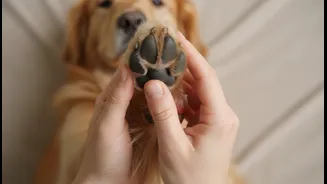
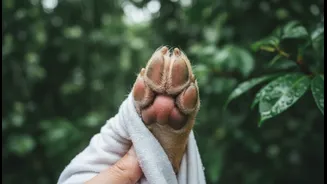
If you suspect your pet is overheating, act immediately. The primary goal is to cool your pet, but not so quickly that it causes shock. Move them to a cooler, air-conditioned space right away. Apply cool—not ice-cold—water to their body, focusing on their paws, belly, and neck. You can use wet towels or a fan to increase evaporative cooling. Do not use ice or ice water, as this can constrict blood vessels and trap heat. Offer small sips of cool water if your pet is alert and able to drink, but do not force them.
When to Call the Veterinarian
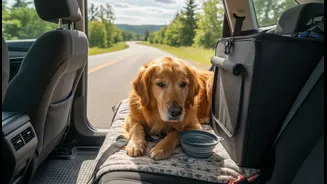
Heatstroke is a medical emergency that can cause irreversible organ damage or death. You should call your veterinarian immediately if you suspect your pet is overheating. Even if your pet seems to recover after you initiate cooling measures, an evaluation is crucial because serious internal effects may not be immediately apparent. If your pet displays severe signs such as collapse, loss of consciousness, seizures, or vomiting, transport them to the nearest veterinary facility immediately, continuing cooling efforts in the car if possible.
Creating a Safe and Cool Home
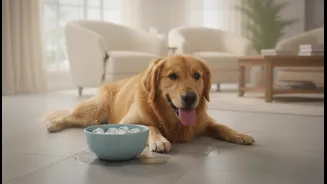
Prevention is the best strategy. Keep your home cool with air conditioning or fans. A dehumidifier can be especially helpful in managing indoor moisture levels. Ensure your pet has constant access to fresh, cool water; adding a few ice cubes to their bowl can help. Provide cooling mats or damp towels for them to lie on. Avoid strenuous indoor play during the hottest, most humid parts of the day. For long-haired breeds, regular grooming to remove excess undercoat can improve air circulation and comfort.