






Redefining a 'Weak' Monsoon
When the India Meteorological Department (IMD) forecasts a 'below-normal' or 'weak' monsoon, it refers to the cumulative rainfall over the entire four-month season being less than the long-period average. This year, for instance, has seen significant
deficits in many districts. However, this single number, while useful for agricultural and economic planning at a macro level, is becoming increasingly misleading. It averages out vast geographical and temporal variations, hiding the true nature of modern rainfall patterns. A region can experience prolonged dry spells and still suffer from catastrophic floods, a paradox that is becoming all too common across the country.
The Real Culprit: Intense, Erratic Rainfall
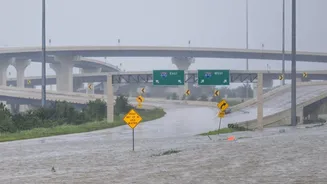
The core of the issue lies in how the rain is falling, not just how much falls overall. Climate change is altering the character of the Indian monsoon. Instead of prolonged periods of moderate rain, we are witnessing fewer rainy days but with episodes of extreme intensity. A significant portion of a month's rainfall can now occur in just a few hours. This pattern of short, violent downpours overwhelms natural and man-made drainage systems almost instantly. Reports from across the country in 2026, from Gurugram to parts of central India, highlight this trend of localized flooding triggered by sudden, heavy spells, even in areas with overall rainfall deficits.
Our Cities: Amplifiers of the Flood Risk
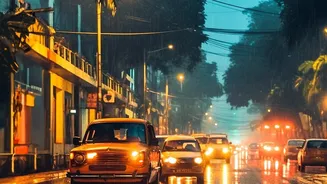
This new rainfall pattern is particularly dangerous for India's rapidly expanding urban centers. Decades of unplanned growth have created a perfect storm for urban flooding. Natural water bodies like lakes and wetlands, which act as sponges, have been encroached upon and built over. Pervasive concretization prevents rainwater from seeping into the ground, forcing it to run off into drainage systems. Unfortunately, most of these systems are outdated, poorly maintained, and were designed for a much gentler rainfall pattern. Blocked by plastic and other solid waste, these drains quickly reach capacity during an intense downpour, turning roads into canals and bringing cities to a standstill.
Beyond the Metros: A Nationwide Challenge
The problem isn't confined to major cities. In rural and semi-urban areas, the impact is just as severe. Hilly regions, like those in Himachal Pradesh, have become highly vulnerable to landslides and flash floods caused by intense rain bursts, even when the seasonal total is below normal. For farmers, these erratic patterns are devastating. Long dry spells can wither crops, while a sudden, intense downpour can cause soil erosion and inundate fields, leading to widespread damage. This volatility disrupts crop calendars and threatens food security, proving that a 'weak' monsoon is anything but a benign phenomenon.