




Petrol's Reign Endures, But for How Long?
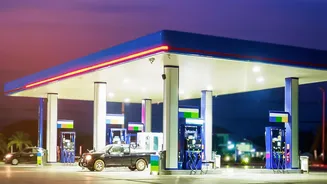
Petrol continues to be the bedrock of the Indian passenger vehicle market, accounting for more than half of all sales in the first half of 2026. However, its dominance is steadily being eroded. For the first time in August 2026, the combined retail sales of alternative
fuels like CNG, EVs, and hybrids surpassed that of petrol-powered vehicles. While petrol sales are still growing, the most significant expansion is happening elsewhere. CNG vehicle sales surged by 40% and battery-electric vehicles (BEVs) by a staggering 65% in the first half of 2026. This signals a clear shift in consumer preference, driven by rising fuel prices and a growing awareness of running costs. Manufacturers are responding, but cautiously. Most continue to offer a wide range of petrol models, especially in the hatchback segment where they make up 73% of sales, but they are increasingly hedging their bets by expanding into other fuel types.
CNG and Hybrids: The Sensible Middle Ground
For many buyers, the jump to a fully electric vehicle feels too big due to high upfront costs and range anxiety. This is where CNG and hybrid vehicles are finding their sweet spot. CNG has emerged as the most popular alternative fuel, praised for its significantly lower running costs. Carmakers like Maruti Suzuki, Tata Motors, and Hyundai have aggressively expanded their CNG portfolios, with Maruti Suzuki alone commanding about 70% of the CNG market. Innovations like Tata's twin-cylinder technology, which frees up boot space, have also made CNG cars more practical. Simultaneously, hybrids are gaining traction as a bridge between internal combustion engines (ICE) and full EVs. Suzuki has announced the development of a new series-hybrid system for compact cars, which could bring the technology to smaller, more affordable Maruti models in India. Hyundai has also committed to launching eight new hybrid models by 2030, expecting them to constitute 16% of its total sales.
The Electric Dream Meets On-the-Ground Reality
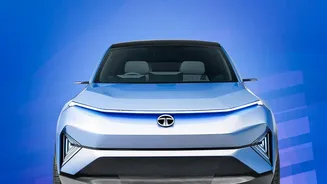
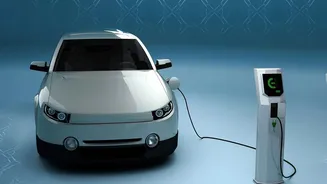
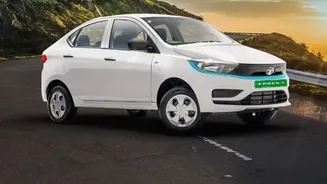
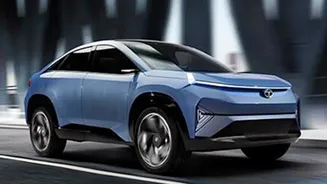
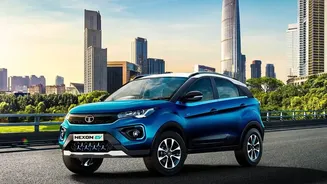
The push for electric vehicles is undeniable, backed by strong government incentives. Under schemes like PM E-DRIVE, buyers benefit from subsidies, while EVs attract a much lower GST of 5% compared to the 28% or more on petrol cars. This has led to a 65% growth in BEV sales in the first half of 2026, with their market share climbing from 4% to 5%. Tata Motors is currently leading this charge, holding a dominant 43% of the passenger EV market. The company plans to have EVs make up over 30% of its portfolio by 2031 and has even introduced a 'Battery-as-a-Service' model to lower the upfront cost of its EVs. However, challenges remain. The focus is now shifting from just sales incentives to building a robust charging infrastructure. While the network is expanding, its reliability and accessibility will be crucial for mass adoption. Automakers are diversifying their EV strategies, with Maruti planning new models like the YMC EV and a 7-seater electric MPV, and Hyundai developing a mass-market electric SUV for India.
Flex-Fuel: The Government's New Wildcard
The latest and potentially most disruptive element in India's fuel mix is the push for ethanol-blended petrol and flex-fuel vehicles. The government has already successfully rolled out E20 petrol (20% ethanol blend) nationwide, five years ahead of schedule. Now, the focus is shifting to even higher blends like E85 (85% ethanol), which has been introduced as a separate fuel type for specially designed flex-fuel vehicles. An advisor to the Prime Minister's Office has indicated that the government is considering allowing blends beyond 20% to reduce the country's oil import bill and utilize surplus ethanol production capacity. This policy shift is directly influencing product planning. Union Minister Nitin Gadkari has stated that all automobile companies will bring out vehicles with flex-fuel engines capable of running on 100% ethanol. Maruti Suzuki has already launched the Wagon R Bioflex, which can run on blends from E20 to E85, and is pursuing a multi-powertrain strategy that includes flex-fuel as a key pillar. This signals that future car launches will likely need to accommodate this new, domestically-produced fuel source.