



The Layering System: Your Best Defence
The golden rule for dressing in the mountains is layering. This strategy allows you to adapt to fluctuating temperatures, from warm, sunny afternoons to frigid mornings and evenings. Forget bulky, single jackets; think of your clothing as a three-part
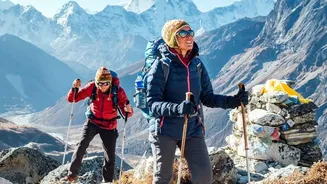
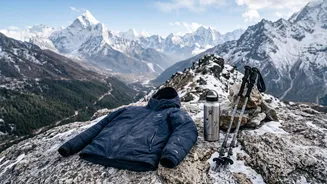
system. The base layer, worn against your skin, should be made of moisture-wicking material like merino wool or a synthetic blend to keep you dry. Cotton is a major no-go as it retains sweat and can make you dangerously cold when temperatures drop. The mid-layer provides insulation; this is your fleece or a light down jacket. Finally, the outer shell—a waterproof and windproof jacket and pants—protects you from the elements like rain, snow, or high winds.
Essential Clothing: A Head-to-Toe Checklist
Beyond the layering system, specifics matter. For your lower body, pack two pairs of quick-dry trekking pants. Convertible pants can be a good option for warmer days at lower altitudes. Also include a pair of thermal bottoms (long johns) for cold nights and high-altitude days. For your upper body, a couple of lightweight, quick-dry trekking shirts are essential. You'll also need that insulating fleece or down jacket and your waterproof shell jacket. Don't skimp on socks; bring several pairs of moisture-wicking wool or synthetic trekking socks of varying thickness. A fresh pair of socks can feel like a luxury on the trail.
Footwear: Your Most Critical Gear
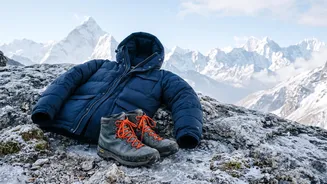
Your trek can be made or broken by your footwear. Invest in a pair of high-quality, waterproof trekking boots with good ankle support. The terrain can be rugged, rocky, and sometimes slippery, so a solid grip is non-negotiable. Crucially, make sure your boots are well broken-in before you leave; new boots are a recipe for painful blisters. For evenings at the teahouse or lodge, a pair of lightweight sandals or slippers will give your feet a much-needed break.
Head, Hands, and Sun Protection
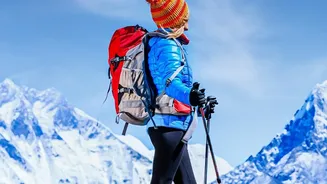
A significant amount of body heat is lost through your head, so a warm woollen or fleece hat is a must for cold conditions. For sun protection during the day, a wide-brimmed hat or a cap is equally important. A buff or neck gaiter is an incredibly versatile piece for protecting your neck from the sun, keeping your face warm in the wind, or filtering out dust. For your hands, pack at least two pairs of gloves: a thin liner pair and a warmer, insulated, waterproof outer pair. At high altitudes, UV rays are much stronger, so pack high-SPF sunscreen (50+), SPF lip balm, and 100% UV-protection sunglasses.
Backpacks and Essential Gear
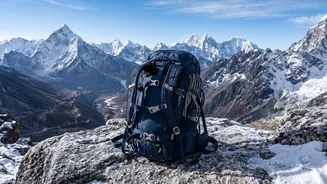
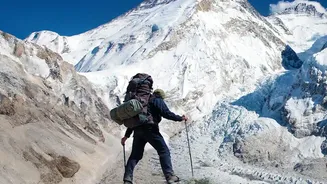
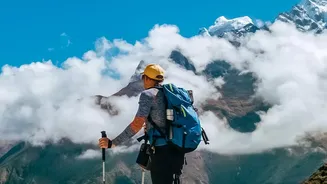
You'll need two bags: a larger duffel bag (around 60-70 litres), which will be carried by your porter, and a smaller daypack (25-35 litres) that you will carry yourself. Your daypack should contain everything you need for the day's hike: water, snacks, your outer shell jacket, sunscreen, a headlamp, and your personal first-aid kit. Trekking poles are highly recommended; they significantly reduce the strain on your knees, especially during long descents. A headlamp with spare batteries is an absolute necessity, as electricity can be unreliable and you may need it for early morning starts. Lastly, stay hydrated by carrying at least two 1-litre water bottles or a hydration bladder.
Health, Hygiene, and Documents
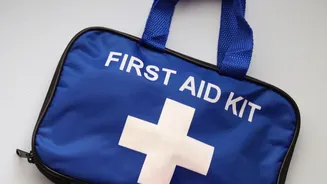
Carry a personal first-aid kit with essentials like blister plasters, antiseptic wipes, pain relievers, and any personal medications. It is also wise to consult your doctor about medication for altitude sickness, like Diamox. For hygiene, pack travel-sized toiletries, hand sanitiser, and toilet paper, as it may not always be available in teahouses. Keep your passport, visa, permits, and a couple of passport-sized photos in a waterproof bag. Having both physical and digital copies of your important documents is a smart backup.