






From Possessions to Stories
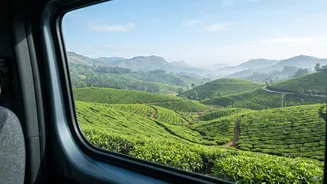
The single biggest driver of this change is the redefinition of status. In an era dominated by social media, the value of an asset is being replaced by the value of a story. A new phone is exciting for a week, but a trip to Spiti Valley generates content,
conversations, and memories that last much longer. According to a recent report, over 78% of Indian consumers now prefer spending on experiences over products. This isn't just about showing off; it's about identity construction. Platforms like Instagram and Snapchat have turned personal experiences into a form of social currency. A well-captured moment from a music festival or a remote vacation is often more aspirational to peers than the purchase of another material good.
The Post-Pandemic Push for Meaning
The COVID-19 pandemic acted as a massive catalyst, accelerating a trend that was already bubbling. Faced with lockdowns and prolonged uncertainty, many young people re-evaluated their priorities, leading to a heightened focus on health, wellness, and personal fulfilment. The desire to make up for lost time and missed opportunities has fuelled a surge in spending on travel, hospitality, and leisure activities since 2022. This is not just about escaping; it's about engaging. There's a growing demand for experiences that offer personal growth, from wellness retreats and skill-based workshops to adventure tourism. This shift reflects a deeper search for meaning beyond the traditional markers of success.
Gen Z at the Forefront
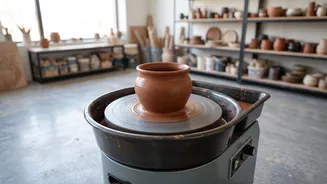
Generation Z, born between 1997 and 2012, is the key demographic driving this transformation. As the largest demographic group in the Asia-Pacific region, their spending power is rapidly increasing as they gain financial independence. This digitally native generation is less interested in passive consumption and more drawn to immersive, unique, and shareable environments. For them, experiences are not just add-ons to a holiday; they are becoming part of everyday city life. Many urban professionals are now opting for short, high-value weekend engagements like coffee brewing workshops or craft masterclasses, often booked impulsively on the same day.
Economic Realities and Shifting Goals
While a desire for fulfilment is a major factor, so are economic realities. For many young professionals, the traditional goalposts of buying a home in a major metropolitan city feel increasingly out of reach due to soaring real estate costs. When large, long-term assets seem unattainable, it becomes more rational to redirect disposable income towards more achievable, and often more immediately gratifying, goals. Spending on a memorable trip or a live event provides a tangible return in happiness and well-being. Research shows that spending on experiences is expected to grow at a compound annual growth rate (CAGR) of 10.3% between 2025 and 2030, outpacing the 9.1% growth projected for spending on physical goods.
The Future of Spending
This trend is not just a fleeting fad; it's a structural change in consumer behaviour. The 'experience economy' in India is projected to grow significantly, with sectors like live entertainment, cultural tourism, and MICE (Meetings, Incentives, Conferences, and Exhibitions) expected to expand rapidly. Brands are taking note, shifting from simply selling products to creating memorable moments and communities their customers want to be a part of. As young Indians continue to prioritise participation over possession, the most successful companies will be those that understand that a memory can be the most valuable product of all.