







The Deception of Cool, Humid Air
While the thermometer might show a comfortable 25°C, the real challenge for your body isn't the heat but the humidity. During the monsoon, the air is saturated with moisture. This is the critical factor that many people overlook. An outdoor workout on a 30-degree
dry day can feel less strenuous than on a 25-degree day with 90% humidity because of how our bodies regulate temperature. This creates a hidden strain that can catch even experienced fitness enthusiasts off guard, making a regular workout feel unusually exhausting.
How Humidity Sabotages Your Body’s Cooling System
Your body's primary cooling mechanism is sweating. But sweat itself doesn't cool you; the evaporation of that sweat from your skin is what releases heat. When humidity is high, the air is already full of water vapour, which means your sweat has nowhere to go. It can't evaporate efficiently. As a result, your body's natural air-conditioning system fails. Heat gets trapped, and your core body temperature begins to rise. To compensate, your heart has to work much harder to pump more blood to the skin's surface in an attempt to cool down, leading to a higher heart rate and greater cardiovascular strain for the same level of effort.
Recognising the Signs of Hidden Strain
Because the air temperature feels moderate, it's easy to dismiss the early signs of heat-related stress. Be mindful of symptoms that seem out of proportion to your workout's intensity. These include a heart rate that climbs faster than usual, feeling unusually tired early into your exercise, dizziness, nausea, or excessive sweating that doesn't seem to provide any cooling relief. You might also feel sluggish or find that your breathing is more laboured than normal. These are not signs of declining fitness but signals that your body is struggling under the humid conditions.
Adjust Your Strategy: Hydrate and Dress Smart
Proper hydration becomes even more critical in high humidity. Start hydrating well before your workout, not just during. Since you lose essential minerals through sweat, consider an electrolyte drink for longer or more intense sessions. Your clothing choice also plays a key role. Opt for lightweight, loose-fitting, and moisture-wicking fabrics that help pull sweat away from the skin. Light-coloured clothes are also preferable. Avoid heavy cotton, which traps moisture and makes you feel hotter.
Train Smarter, Not Harder
Accept that your performance might dip in humid weather and adjust your expectations. This isn't the time to chase personal bests. Instead, focus on effort. Slow your pace, reduce the intensity, or shorten the duration of your workout. Timing is also crucial. Schedule your outdoor activities for the coolest parts of the day, such as the early morning or late evening. Most importantly, listen to your body. If you feel any signs of heat exhaustion, stop, find a cool place, and hydrate immediately.
Embrace Indoor Alternatives
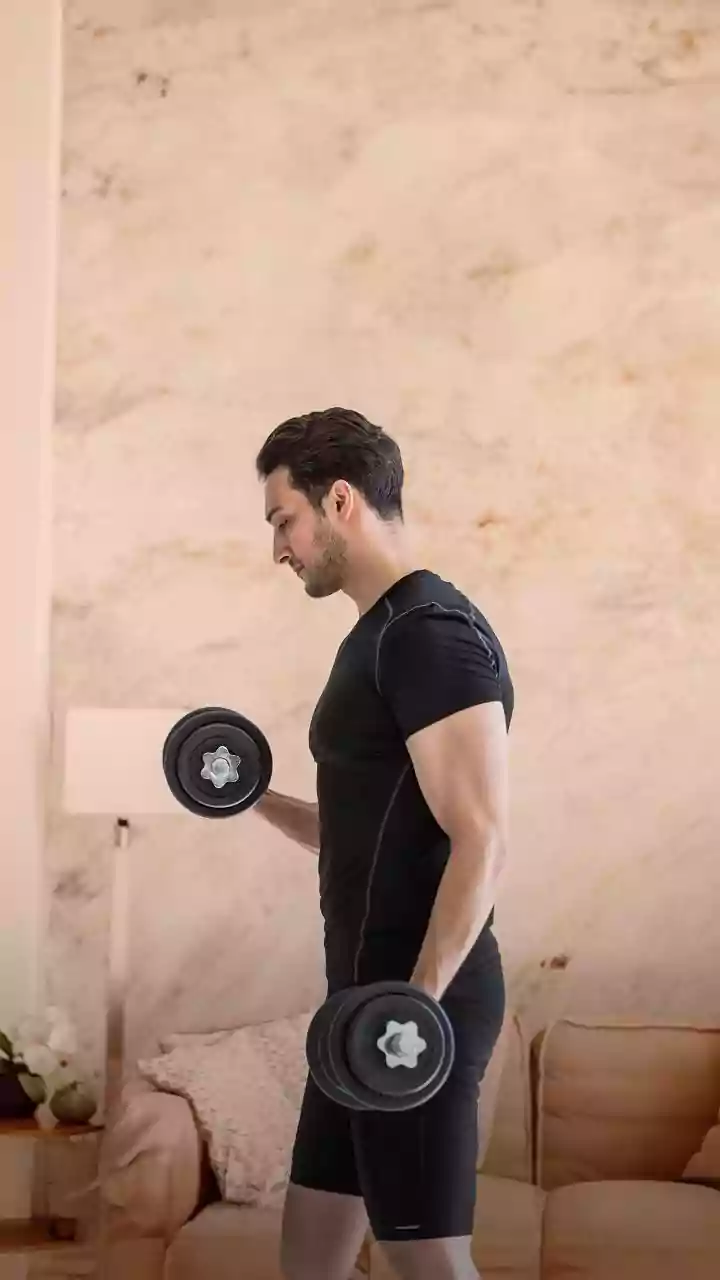
On days when humidity is particularly high, don't be afraid to take your workout indoors. This is a great opportunity to focus on different aspects of your fitness. Bodyweight exercises like squats, push-ups, and planks require no equipment and are highly effective. Yoga and Pilates are excellent for improving flexibility and core strength, which can be beneficial as humid weather can sometimes make joints feel stiff. Other options include skipping, dancing, or using resistance bands for a full-body workout without stepping outside.