







The Accidental Influencers
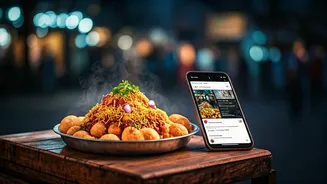
Across TikTok and Instagram, a new type of star is emerging from behind sizzling pans and steaming carts. These are not polished influencers in sterile kitchens, but everyday street vendors whose raw, unfiltered videos are captivating global audiences.
From a grandmother in South L.A. selling out of homemade burritos from her car trunk to a potato stall in Preston, UK, that became a national phenomenon, the stories are multiplying. Their content is often simple: a single, fixed camera angle showing the rhythmic process of chopping, frying, and assembling a dish. There are no jump cuts, trending audio, or special effects. Yet, these videos rack up millions of views, driven by an audience hungry for something real. This success isn't planned; it's a byproduct of simply doing their job in public, which has now become a stage for the world.
Why the Algorithm Loves Authenticity
Social media algorithms have become incredibly sophisticated, but their goal remains simple: keep users engaged. While slick, corporate content often gets scrolled past, the unpolished nature of street vendor videos makes people stop and watch. Platforms like TikTok reward content that sparks genuine conversation and connection. The very lack of marketing-speak makes these vendors trustworthy. Audiences, tired of glossy, unrealistic portrayals of life, are gravitating towards content that feels human and relatable. When a vendor shares their story or simply focuses on their craft, it builds an emotional connection that algorithms are designed to detect and amplify. In essence, their greatest marketing asset is their inability to market; their authenticity is what algorithms, and the people using them, crave.
The Sensory Power of Street Food
A key driver of this phenomenon is the powerful sensory experience these videos deliver. The rhythmic chopping of vegetables, the sizzle of oil, the clatter of utensils—it all creates a mesmerizing, almost ASMR-like effect. Viewers are drawn into the process, watching a meal come together from scratch. This high-engagement, long-watch-time content is exactly what social media platforms are designed to promote. It’s not just about seeing the food; it’s about the sounds, the movements, and the visible expertise of the vendor. This focus on the craft humanizes the brand and the product in a way that traditional advertising struggles to achieve. The content provides a behind-the-scenes glimpse that makes the final product feel earned and special.
From Viral Views to Real-World Queues
This digital fame is translating directly into offline success. A single viral video can put a previously unknown street food business on the map, leading to a massive increase in foot traffic and sales. Vendors who once served only locals now find customers travelling from across the country, or even the world, after seeing them on TikTok. One New York-based TikToker, Nicolas Nuvan, has made a name for himself by featuring local vendors, turning them into internet icons overnight and driving huge crowds to their stalls. Similarly, an 82-year-old street vendor in Mumbai received overwhelming financial support and a boom in business after a video of him went viral. This phenomenon levels the playing field, giving small entrepreneurs a chance to compete with larger restaurant chains without a big marketing budget.
A Marketing Blueprint That Can't Be Copied
The success of street vendors raises a compelling question for bigger brands: can this accidental strategy be replicated? The answer is complex. While companies can certainly adopt a more 'authentic' tone, the true power of this trend lies in its genuineness, which is difficult to fake. Audiences can spot staged 'relatable' moments and inauthentic content quickly. The magic of the viral street vendor is that they aren't trying to be influencers; they are simply business owners whose craft has found an appreciative audience. Their success serves as a powerful reminder that in an increasingly artificial digital landscape, realness is a currency. The ultimate lesson is not about mimicking their style, but understanding why it works: people connect with people, not just products.