

The Fleeting Magic of Flavour
The rich, complex aromas that make food so enjoyable are created by volatile organic compounds, including essential oils. These molecules are incredibly delicate and prone to evaporating when exposed to heat. This is why a curry or stew can smell amazing
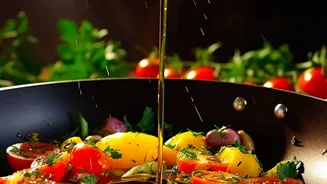
while it's simmering, but some of that initial punch can be lost by the time it reaches your plate. The heat that helps flavours meld and develop is also their greatest enemy, causing them to 'flash off' and escape into the air. This doesn't just reduce the aromatic impact; it can throw the entire flavour profile off balance. Add to this the fact that many delicate herbs lose their scent if overheated, and you have a classic culinary dilemma: how to cook food thoroughly without boiling away its soul.
An Introduction to Precise Tempering
In the culinary world, 'tempering' can mean several things, from stabilising chocolate to carefully combining liquids of different temperatures, like eggs into a hot custard. In South Asian cooking, it often refers to 'tadka', where whole spices are bloomed in hot oil to release their aromatic compounds. However, the principle discussed here is a broader food science concept: the highly controlled application of heat to protect and preserve flavours. Instead of a long, slow simmer or a scorching flash-fry, this technique involves manipulating temperature with precision to achieve a very specific outcome. The goal is to heat the food just enough to trigger flavour-enhancing reactions while creating a microscopic barrier that traps the most volatile and precious compounds inside.
The Science of Sealing in Flavour
So, how does it work? Think of it like creating a protective shell. This technique is a form of flavour encapsulation, a process where flavour compounds are trapped within a coating to protect them. When ingredients like ground spices are subjected to a short, intense burst of controlled heat, the outermost layer undergoes rapid changes. This can involve processes like the Maillard reaction (browning) or starch gelatinisation, which occur at specific temperatures. These reactions create a less-permeable matrix on the surface of each particle. This 'shell' then acts as a physical barrier, making it much more difficult for the volatile essential oils trapped within to evaporate. The flavour is effectively locked in, ready to be released when you eat the food, rather than being lost to the kitchen air during cooking.
Beyond Aroma: The Bioactive Bonus
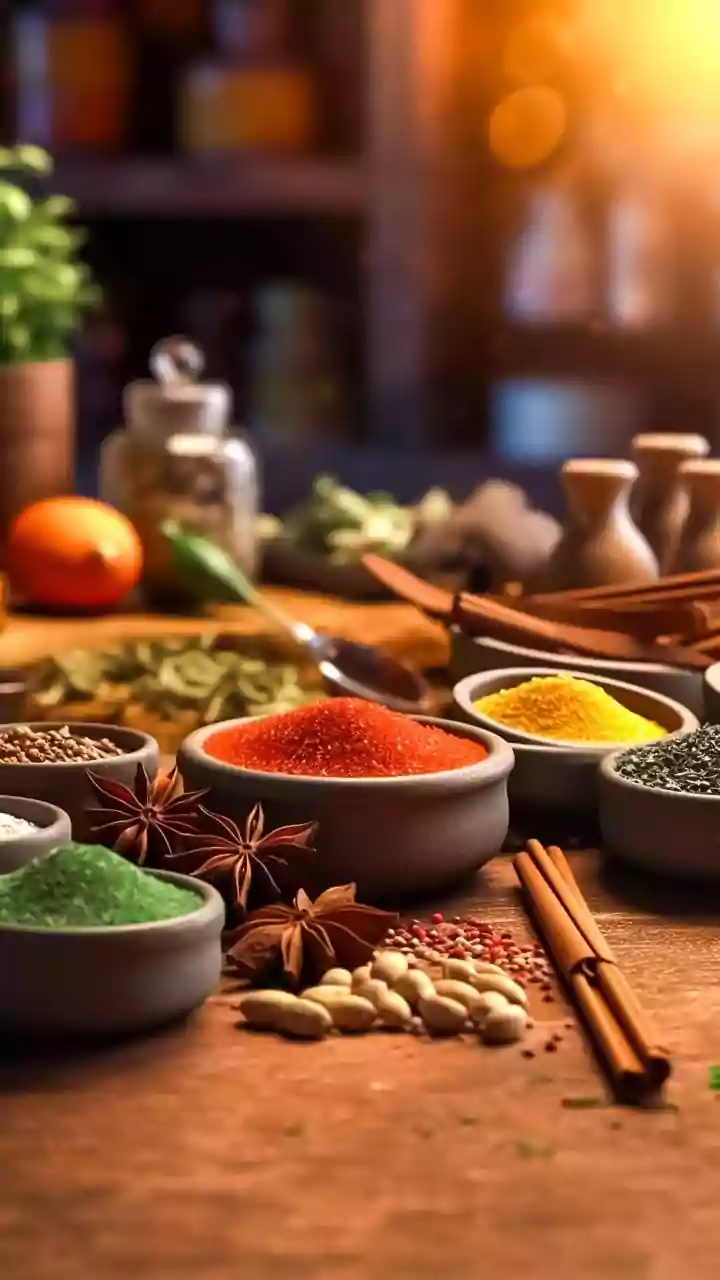
The benefits of precise temperature control aren't just about taste and smell. Spices are packed with 'bioactive compounds'—substances like capsaicin in chilli, piperine in black pepper, and various antioxidants and polyphenols that can have positive effects on health. These compounds can be just as sensitive to heat as the aromatic essential oils. Overheating can degrade them, diminishing the potential health benefits of the spices. By using a precise tempering method that limits the food's exposure to excessive heat, these beneficial bioactive compounds are better preserved alongside the flavours. Early research suggests that some cooking methods can help release these compounds, but controlling the heat is critical to avoid destroying them. This means a more flavourful dish may also be a more nutritionally potent one.
From the Lab to Your Kitchen
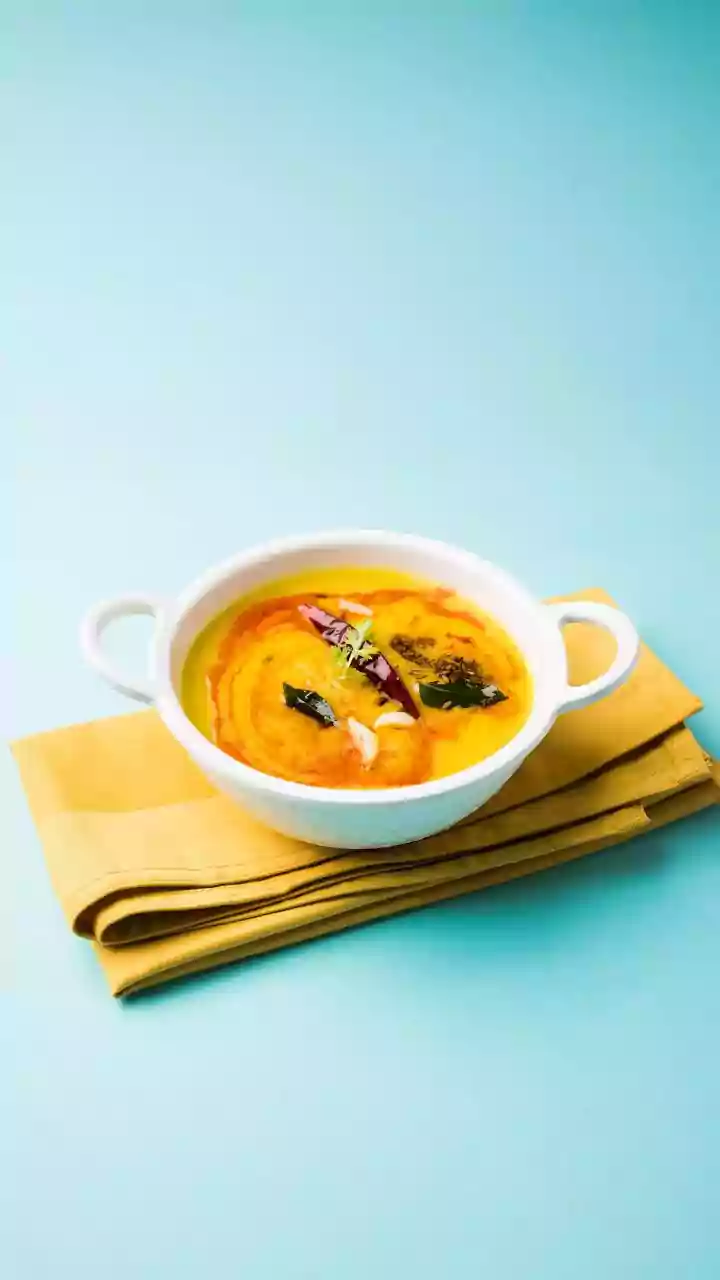
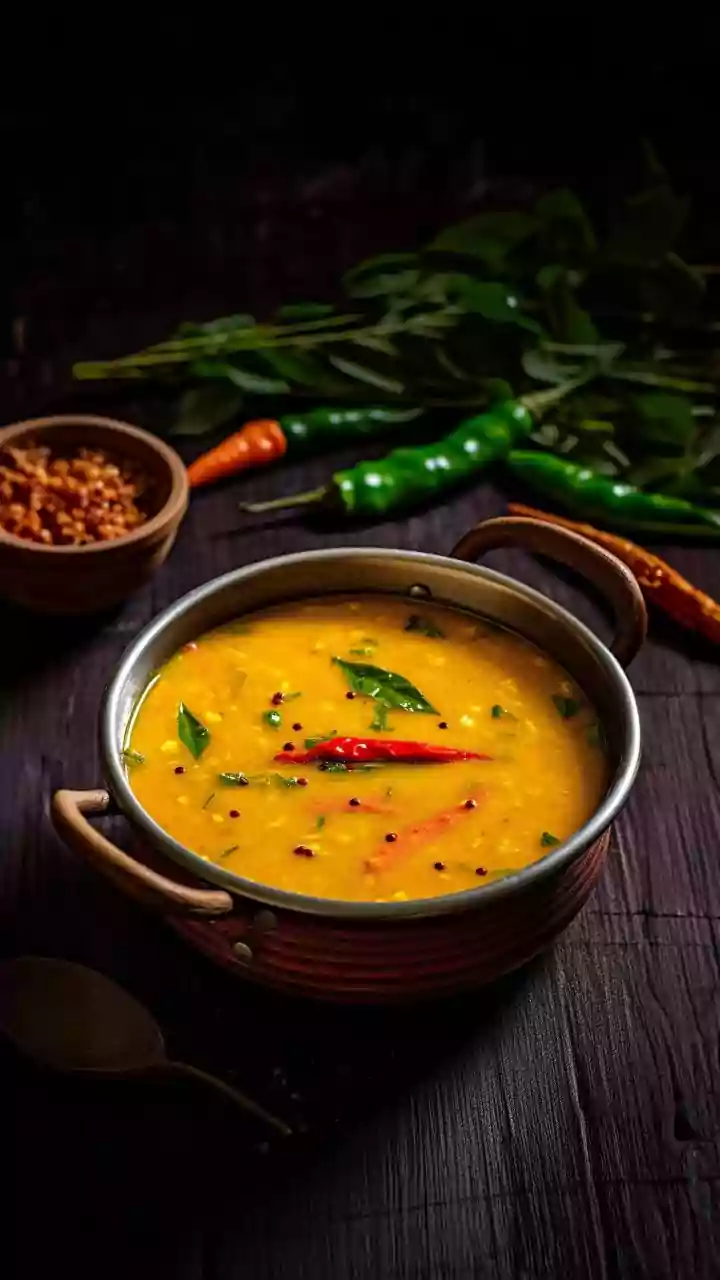
While industrial food manufacturers use highly sophisticated equipment for flavour encapsulation and tempering, the principles can be applied at home. The 'tadka' or 'chaunk' in Indian cooking is a perfect example: spices are sizzled briefly in hot oil to unlock their essence before being added to the main dish. This quick, controlled heating infuses the oil with flavour that then coats the other ingredients. Another example is adding delicate herbs like parsley or basil at the very end of cooking, protecting their volatile compounds from prolonged heat. Understanding that heat both creates and destroys flavour allows for smarter cooking. By managing temperatures carefully—avoiding unnecessarily high heat and long cooking times for aromatic ingredients—home cooks can keep more of the vibrant, fresh flavours and bioactive benefits locked in their food.