



Understanding the Monsoon's Phased Retreat
The end of the monsoon is not a single event but a gradual withdrawal that can take over six weeks. The process typically starts in early September in the northwestern state of Rajasthan and moves southeast across the country, often only reaching the southern
peninsula by mid-October. This staggered retreat means that while northern India might be enjoying dry, sunny weather, parts of the south could still be experiencing significant rainfall. This transitional weather, sometimes called the 'October Heat', can also lead to hot and humid days in some regions as the skies clear but the ground remains moist. For travellers, this means October offers a bit of everything, from the start of the peak season in some areas to the tail-end of the rainy season in others.
North India: Clear Skies and Perfect Vistas
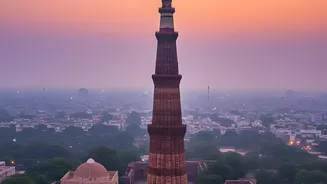
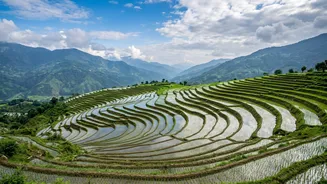
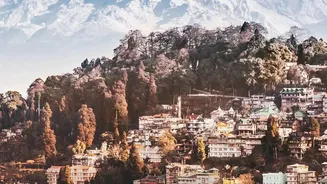
For states like Rajasthan, Himachal Pradesh, and Uttarakhand, October is arguably one of the best times to visit. The monsoon will have washed the landscape clean, leaving behind lush greenery, especially in the Himalayan foothills. With the rain gone, the skies are generally clear, offering crisp, unobstructed views of the mountains—a key reason photographers and trekkers flock here this month. In Rajasthan, the intense summer heat has subsided, making daytime exploration of forts and palaces in cities like Jaipur and Udaipur comfortable, with temperatures often around 30-34°C. Because this is the start of the tourist season, you can enjoy great weather before the peak crowds of November and December arrive.
South India: An Encore Performance of Rain
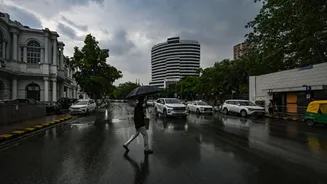
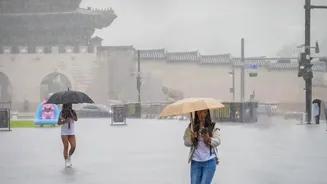
The story in the south is quite different. The withdrawal of the main monsoon paves the way for the Northeast Monsoon (also known as the retreating monsoon), which primarily affects the southeastern coast. States like Tamil Nadu and parts of Kerala and Andhra Pradesh receive a significant portion of their annual rainfall from October to December. The India Meteorological Department (IMD) has forecast a normal Northeast Monsoon for 2026, with its onset expected in the third week of October. This means travellers heading to Chennai or Puducherry should pack an umbrella, as rainfall is likely. However, it's not constant rain; showers are often brief, leaving the air fresh. The backwaters of Kerala are particularly beautiful post-monsoon, though you might face occasional showers.
West and Central India: Dry, Pleasant, and Ready for Visitors
Central and Western India, including states like Gujarat, Maharashtra, and Madhya Pradesh, generally enter a pleasant, dry phase in October. The weather becomes agreeable, making it ideal for visiting cultural sites or heading out on wildlife safaris. Ranthambore and Bandhavgarh National Parks, famous for their tiger populations, reopen in October after being closed for the monsoon. While wildlife can be a bit harder to spot due to plentiful water sources and dense vegetation, the parks themselves are stunningly green. In cities like Mumbai, the intense humidity of the monsoon recedes, although temperatures can still be warm. It’s a great month to explore places like Goa, where the beach shacks start reopening for the season, but the crowds are still thinner than in the winter months.
East and Northeast: A Mixed and Lingering Monsoon
In East and Northeast India, the monsoon can linger. While Kolkata is typically warm and dry, perfect for post-Durga Puja sightseeing, states like Arunachal Pradesh, Meghalaya, and Assam may still see rainfall. The landscape is exceptionally lush, and waterfalls are at their peak, but travellers should be cautious of potential travel disruptions in mountainous areas. The retreating weather systems in the Bay of Bengal can sometimes bring heavy rain to the region. It's a month that rewards flexible travel plans. For example, while Kaziranga National Park in Assam reopens in October, visiting from November onwards is often recommended for better wildlife sightings.
Tips for Planning Your October Trip
Given the regional variations, a one-size-fits-all approach doesn't work for October travel in India. If you're heading to the north, especially popular spots like Rajasthan or Himachal, book your flights and accommodation in advance as the tourist season is just beginning. For trips to the south or northeast, keep your itinerary flexible and always check the latest local weather forecasts. Packing layers is a good strategy everywhere—you may need a light jacket for cool evenings in the mountains or just breathable clothing for warm days in the plains. Regardless of your destination, you'll be rewarded with post-monsoon landscapes that are vibrant and full of life.