








The Workout Is Only Half the Equation
In the world of fitness, we often glorify the grind. We track our personal bests, push through pain, and wear muscle soreness like a badge of honour. But this focus on the workout itself misses a fundamental truth: exercise is a stressor. When you lift
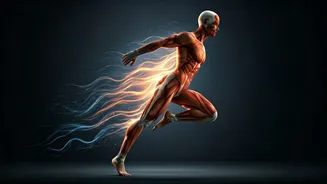
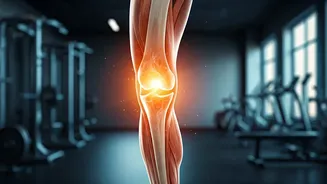
weights, run, or engage in any strenuous activity, you are creating microscopic tears in your muscle fibres and depleting your body's energy stores. The 'upgrade'—getting stronger, faster, and more resilient—doesn't happen during the workout. It happens when you give your body the chance to repair and rebuild itself stronger than before. This process is called supercompensation. Without adequate recovery, you're not adapting; you're just breaking yourself down. Thinking of recovery as a passive activity is a mistake. It is an active, essential component of training that unlocks the benefits of all your hard work.
Sleep: The Ultimate Performance Enhancer
If there were a single magic pill for recovery, it would be a good night's sleep. This is not an exaggeration. While you sleep, your body enters its prime repair-and-rebuild mode. It releases Human Growth Hormone (HGH), a crucial substance for repairing tissues, building muscle, and metabolising fat. Simultaneously, quality sleep helps regulate cortisol, the body's primary stress hormone. Chronically high cortisol levels from lack of sleep can lead to muscle breakdown, fat storage, and a weakened immune system—the exact opposite of your fitness goals. Aiming for 7-9 hours of quality sleep per night is not a luxury; it's as critical as any set of squats or interval sprints. Prioritise a consistent sleep schedule, create a dark and cool sleeping environment, and limit screen time before bed. Your performance in and out of the gym will thank you for it.
Fuel Your Body for Repair
You wouldn't ask a construction crew to build a house without bricks and cement. Similarly, you can't expect your body to repair itself without the right raw materials. Post-workout nutrition is a cornerstone of effective recovery. The two most important macronutrients to focus on are protein and carbohydrates. Protein provides the amino acids necessary to repair those micro-tears in your muscles, effectively rebuilding them stronger. Think of it as the building block for your gains. Carbohydrates, on the other hand, are essential for replenishing the glycogen (stored energy) you used during your workout. Skipping carbs out of fear of gaining weight is a common mistake that can leave you feeling fatigued and hinder recovery. A combination of protein and carbs within a few hours after your workout will kickstart the repair process, reduce muscle soreness, and prepare you for your next session.
Active Recovery: The Art of the Easy Day
Recovery doesn't always mean lying on the sofa. In fact, light, low-intensity movement, known as 'active recovery', can be highly beneficial, especially on the day after a tough workout. Activities like walking, gentle cycling, swimming, or restorative yoga increase blood flow to your muscles. This enhanced circulation helps deliver oxygen and nutrients needed for repair while flushing out metabolic waste products that can contribute to soreness and stiffness. The key is to keep the intensity extremely low—you should be able to hold a conversation easily. This is not the time to push yourself. Active recovery helps bridge the gap between intense training days, keeping you mobile and reducing the perception of soreness without adding further stress to your body. Think of it as a gentle nudge to your body's natural healing processes.
Smart Strategies for Soreness and Mobility
While sleep and nutrition are the non-negotiable pillars, several other tools can support your recovery journey. Hydration is foundational; even mild dehydration can impair performance and recovery. Aim to drink water consistently throughout the day, not just during your workout. Foam rolling and massage can help alleviate muscle tightness and improve mobility by addressing fascia and trigger points, though their effect on deep muscle repair is more about perception and short-term relief. Stretching, particularly static stretching after a workout, can help improve flexibility and calm the nervous system. While none of these are magic bullets that can replace the fundamentals, they are valuable additions to a holistic recovery routine. Use them strategically to manage soreness and maintain the range of motion you need to perform well.