



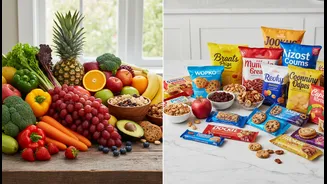



The New Wave of 'Diet' Food
For years, the concept of diet food in India was associated with restrictive, often bland, meals—think boiled vegetables and dry rotis from a local tiffin service. The focus was purely on calorie restriction, often at the expense of taste and variety.
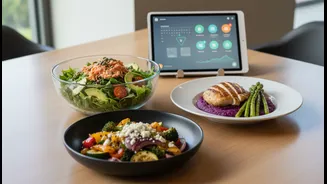
Today, a new generation of meal subscription services is rewriting that narrative. These platforms understand that modern wellness is not just about weight loss, but about overall health, performance, and enjoyment. They are shifting the focus from mere survival fuel to food that optimises performance, leveraging technology to deliver personalised and varied meal plans.
The Ultimate Convenience Factor
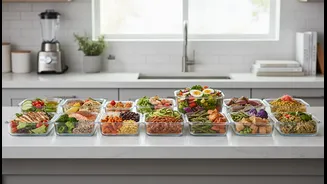
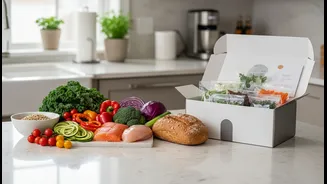
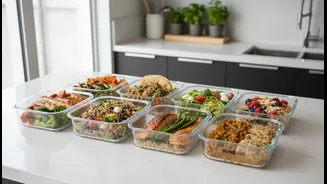
Perhaps the biggest draw of these services is the sheer convenience. For busy professionals, new parents, and anyone short on time, the daily grind of meal planning, grocery shopping, cooking, and cleaning can be overwhelming. Subscriptions save hours each week by delivering ready-to-eat or nearly-ready meals directly to your doorstep. This eliminates the decision fatigue that often leads to ordering unhealthy takeaway. Many services offer flexible plans, allowing you to choose the number of meals per day and week, and even pause your subscription when you're away, making it a highly adaptable lifestyle tool.
Decoding Diet Quality and Personalisation
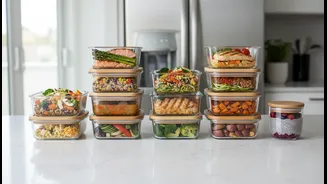
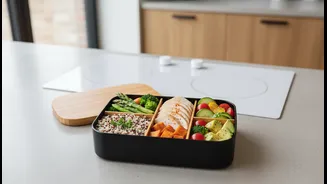
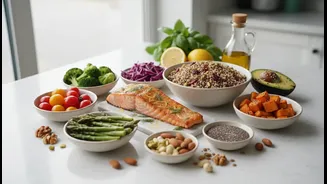
What truly sets modern services apart is the emphasis on quality and customisation. Companies like FoodDarzee, BaesicFit, and Fitmeals offer plans tailored to specific dietary needs, including Keto, high-protein, low-carb, and vegan options. Meals are often designed by nutritionists to ensure they are balanced, featuring complex carbs, lean protein, and healthy fats. Many services pride themselves on using fresh, locally sourced ingredients without artificial preservatives. Some even provide detailed macronutrient breakdowns for each meal, empowering users to take control of their health goals, whether it's weight loss, muscle gain, or managing a condition like PCOD.
The Cost vs. Benefit Equation
The primary drawback for many potential customers is the cost. Subscribing to a meal service is almost always more expensive than cooking at home. However, when compared to the cost of ordering from food aggregator apps like Swiggy or Zomato, subscriptions can be more economical. A single meal ordered on-demand can accumulate extra charges for delivery, taxes, and packaging, often pushing the price up significantly. Meal subscription services, by contrast, operate on a more efficient delivery model, often using one rider for multiple orders in an area, which helps keep costs down. The price, which can range from ₹250 to over ₹300 per meal, is a trade-off for convenience, portion control, and reduced food waste.
How to Choose the Right Service for You
With a growing number of options, choosing the right meal subscription can feel daunting. Start by defining your primary goal: are you looking for weight management, convenience, or to support a specific fitness regimen? Look for services that offer trial plans, which allow you to test the food quality and variety before committing to a longer subscription. Read reviews and check their delivery radiuses, as many are still limited to major metro areas. Finally, consider the level of customisation you need. Some platforms offer fixed menus, while others allow you to build your own meals, which can be ideal for those with specific tastes or macro targets.