
The Sun’s Unseen Fury
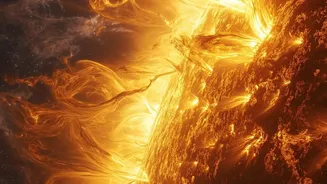
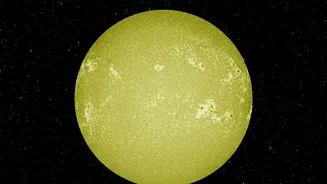
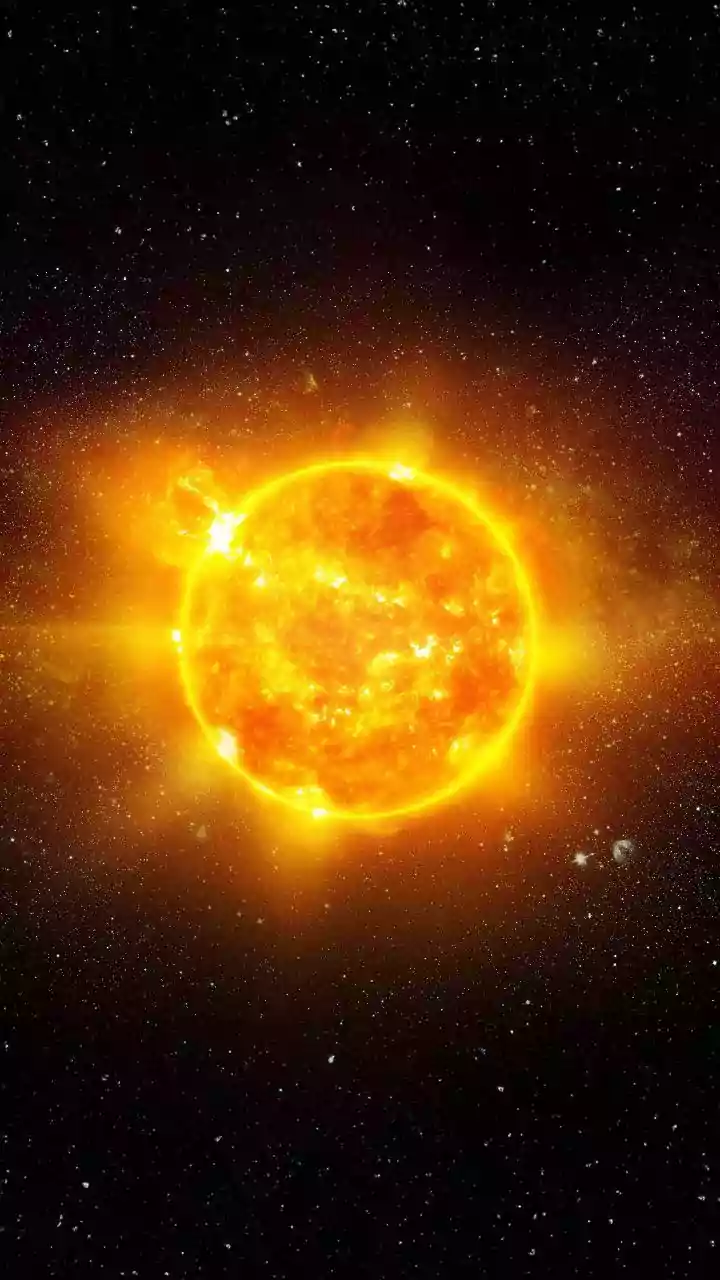
The sun, our life-giving star, has a volatile side. It periodically releases immense bursts of energy and matter in events known as solar flares and coronal mass ejections (CMEs). A CME is a massive bubble of plasma and magnetic fields that can hurl billions
of tons of solar particles into space at incredible speeds. While many miss our planet, those directed at Earth can trigger a geomagnetic storm, a major disturbance of our planet's magnetic field. This phenomenon is broadly known as space weather, and it can have profound effects on the technologies we depend on.
Satellites in the Crosshairs
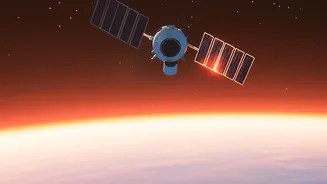
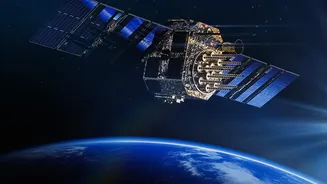
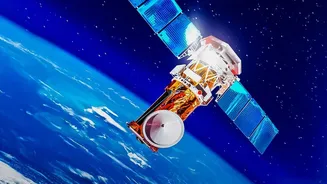
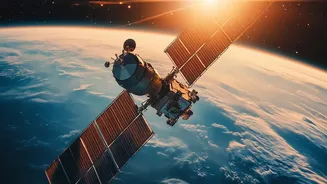
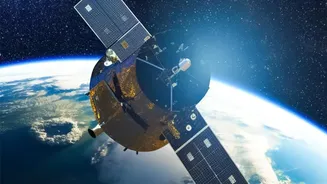
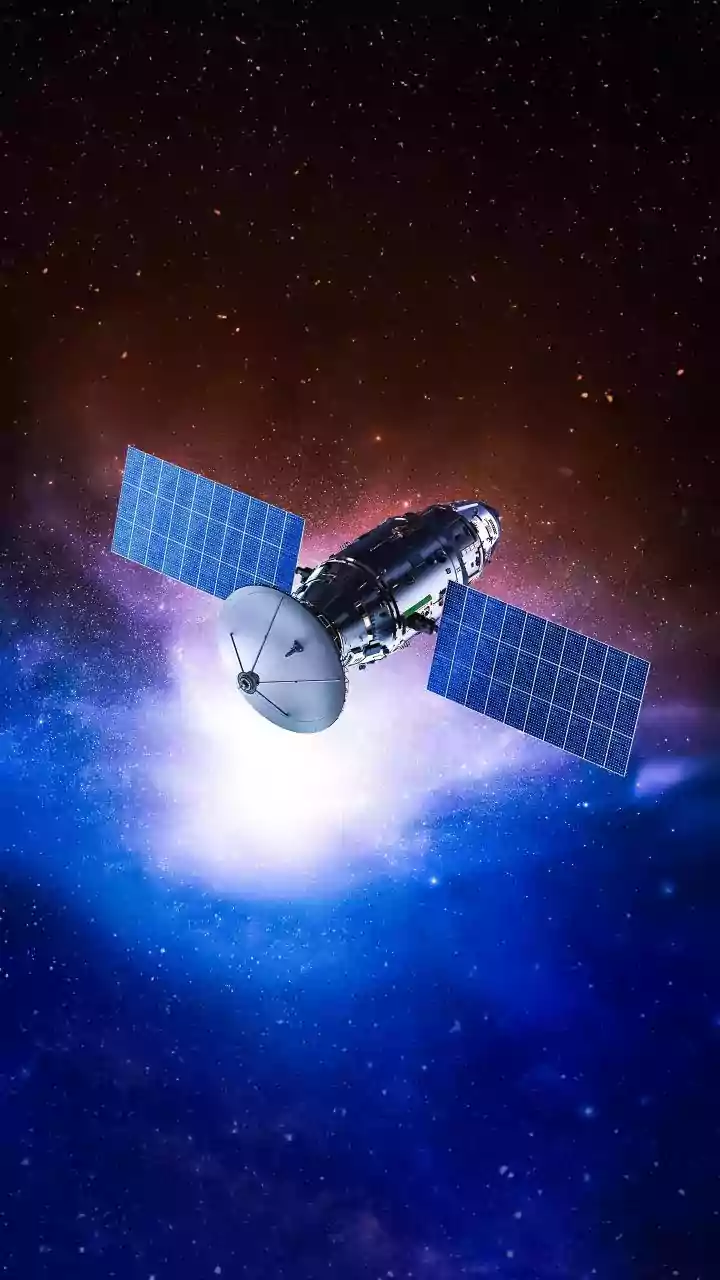
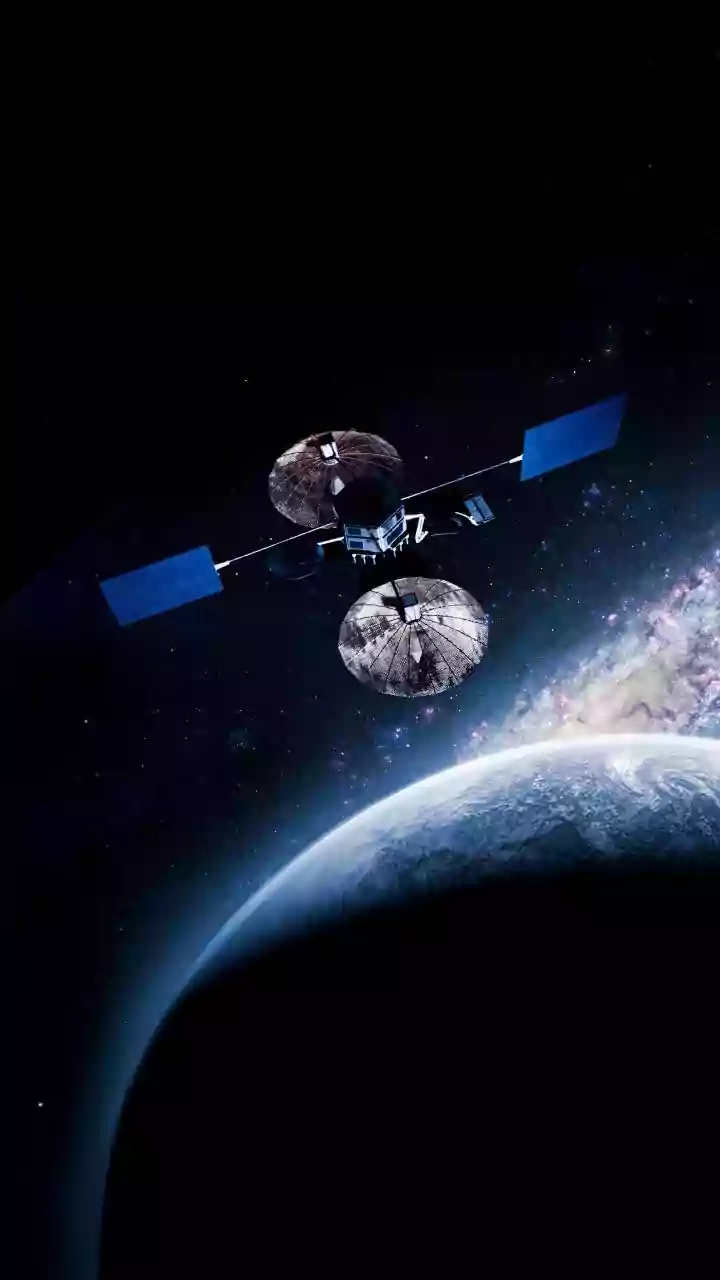
Satellites orbiting beyond Earth's protective atmosphere are especially vulnerable to space weather. The risks are numerous. Energetic particles can damage sensitive electronics, causing malfunctions or permanent failure. These particles can also cause spacecraft to accumulate an electrical charge, leading to electrostatic discharges that harm internal circuits. A major threat, particularly for satellites in Low Earth Orbit (LEO), is increased atmospheric drag. A geomagnetic storm heats and expands Earth's upper atmosphere; this denser air slows satellites down, causing their orbits to decay and increasing the risk of collision or premature re-entry. In February 2022, a minor geomagnetic storm was enough to cause the loss of 40 new Starlink satellites, highlighting the seriousness of the threat.
The Global Watchtowers
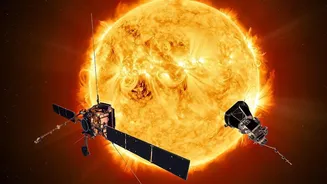
Defending against this celestial threat requires a global, coordinated effort. Several agencies work around the clock to monitor the sun and provide early warnings. The primary civilian agency in the US is NOAA's Space Weather Prediction Center (SWPC), which acts as the official source for space weather alerts and forecasts. The European Space Agency (ESA) operates a similar Space Weather Service Network for European stakeholders. These organisations rely on a network of ground-based observatories and space-based assets, such as the DSCOVR satellite, which is positioned 1.5 million km from Earth to monitor the solar wind and provide advance warning of incoming CMEs. Adding to this global effort, the Indian Space Research Organisation (ISRO) launched its Aditya-L1 mission, which is also stationed at the L1 Lagrange point to observe the sun continuously and study the dynamics of space weather.
From Warning to Action
The process of defending our satellite networks is a race against time. It begins with constant observation of the sun. When a potentially hazardous event like a CME is detected, forecasters use sophisticated models to predict its trajectory and potential impact on Earth. If a significant geomagnetic storm is likely, watches and warnings are issued to government agencies, satellite operators, and other affected industries like aviation and power grid management. Armed with this warning—which can range from hours to a few days—satellite operators can take protective measures. This might involve temporarily shutting down non-essential systems, reorienting the satellite to protect sensitive components, or firing thrusters to adjust its orbit and counteract atmospheric drag. These actions help mitigate damage and ensure the continuity of services.
An Ever-Growing Challenge
Our dependence on satellite technology is only increasing, from global communication and navigation to scientific research and Earth observation. At the same time, the sun is currently in an active phase of its 11-year cycle, Solar Cycle 25, with peak activity predicted for 2025. This means the threat of disruptive space weather is growing. The 1859 Carrington Event, the most intense geomagnetic storm on record, occurred before the age of satellites and electricity, yet it caused telegraph systems worldwide to fail. A similar storm today could have a devastating impact on our interconnected world. The work of solar storm monitoring networks is therefore more critical than ever, acting as a vital shield for the technological backbone of modern society.