



The High Cost of Unsuitable Beauty
We’ve all been there: admiring a glossy magazine spread of a garden filled with perfect, expensive-looking flowers. But often, these imported or hybrid blooms demand constant care, specific soil, and a forgiving climate that simply doesn’t match most
of India. The result is a cycle of high costs, intensive labour, and eventual disappointment when these delicate plants wither in the summer heat or drown in the monsoon. The pursuit of this catalogue-perfect garden can feel like a losing battle, draining both your wallet and your enthusiasm. It's time to shift our focus from high-maintenance imports to the resilient, beautiful plants that thrive naturally in our own backyards.
The Mighty Marigold: More Than Just a Festival Flower
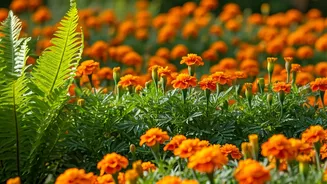
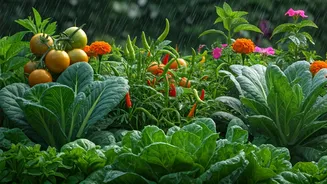
The marigold, or genda phool, is woven into the very fabric of Indian culture, symbolising the sun, positivity, and devotion. Its presence at festivals and weddings is a given, but its role in a home garden is even more powerful. Far from being just a decorative element, marigolds are workhorse plants. They are incredibly easy to grow, thrive in full sun, and bloom profusely for months, from summer through to the first frost. More importantly, they are nature's own pest control. The roots of many marigold varieties release compounds that can suppress harmful nematodes in the soil, tiny worms that can damage the roots of other plants. They also attract beneficial insects like ladybugs and butterflies, which help with pollination and keep pest populations in check. This makes them a perfect, natural protector for any garden space.
The Fabulous Fern: A Touch of Lush Green
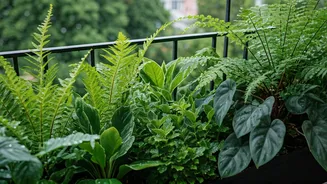
While marigolds bring a burst of fiery colour, ferns provide the cool, calming green that makes a garden feel like a tranquil retreat. India is home to numerous native fern species that are perfectly adapted to our climate. Varieties like the Himalayan Maidenhair Fern, with its delicate, fan-shaped fronds, or the robust Cinnamon Fern can add texture and elegance to any space. Ferns are champions of shady corners where other plants might struggle, making them ideal for apartment balconies or under the shade of larger trees. They are generally low-maintenance, requiring consistent moisture and indirect light to flourish. Beyond their architectural beauty, many ferns are excellent air purifiers, helping to improve the air quality in and around your home. Their lush foliage creates a sense of depth and serenity, providing a perfect green backdrop for the vibrant marigolds.
The Perfect Pairing: Why Marigolds and Ferns Work Together
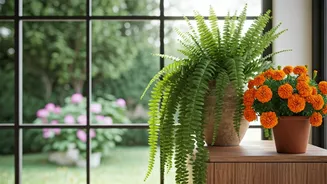
Combining marigolds and ferns isn't just about mixing colours; it's a strategic partnership that creates a balanced, self-sustaining micro-ecosystem. The sun-loving marigolds can occupy the brighter spots of your garden or balcony, while the shade-preferring ferns can thrive in the cooler, protected areas beneath or beside them. This layered approach allows you to maximise your growing space, no matter how small. The marigolds act as a protective barrier, their natural pest-repellent properties helping to shield the more delicate ferns and other neighbouring plants. The ferns, in turn, help maintain soil moisture with their ground-covering fronds, reducing the need for frequent watering. Together, they create a visually stunning contrast: the bold, bright heads of the marigolds against the soft, intricate lace of the fern fronds.
How to Get Started on a Budget
Creating your marigold-fern garden is refreshingly simple and affordable. You don’t need fancy equipment or expensive supplies. Start with seeds for marigolds, which are inexpensive and germinate quickly. For ferns, you can often find small starter plants at local nurseries for a modest price. You can even use recycled containers like old paint buckets, plastic bottles, or crates as planters—just ensure they have drainage holes. A basic potting mix of local soil, compost or manure, and a bit of sand or cocopeat for drainage is all you need. Plant your marigolds where they’ll get at least 5-6 hours of sun. Place your ferns in shadier spots that receive indirect light. Water regularly, especially during dry spells, but avoid waterlogging the soil. With minimal effort, you'll have a thriving, beautiful garden that is both cost-effective and perfectly suited to the Indian climate.