


Jump rope is a powerhouse workout, boosting cardio health and burning calories. But the fear of high-impact strain on joints holds many back. Here’s how you can reap all the benefits of skipping while keeping your workout safe and low-impact.
Master Your Form for a Softer Landing
The single
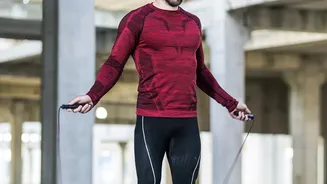
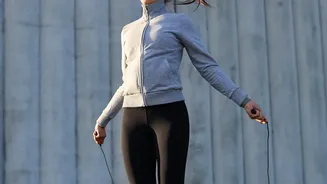
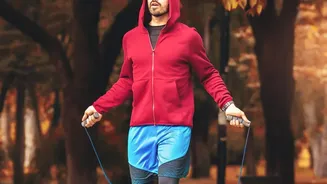
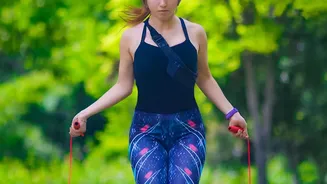
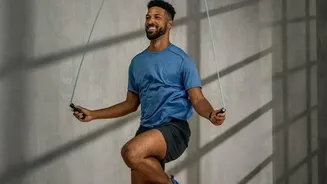
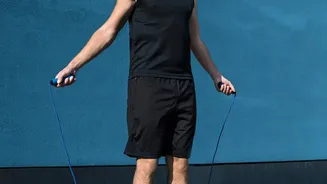
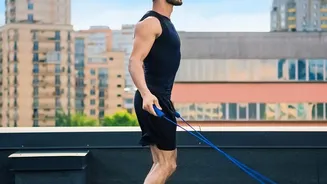
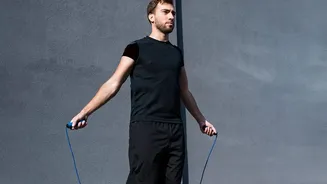
most important factor in reducing impact is proper form. Many beginners jump too high, creating unnecessary stress on their knees and shins. The goal is to jump just high enough for the rope to pass under your feet, typically only an inch or two off the ground. Land softly on the balls of your feet, keeping your knees slightly bent to absorb the shock. Your entire body should feel like a spring, with your ankles, knees, and hips working together. Avoid landing flat-footed or on your heels. Your posture should be upright, with your core engaged to maintain balance and prevent you from 'flopping around'. Rotation should come from your wrists, not large arm circles, which conserves energy and improves efficiency.
The Surface You Jump On Matters
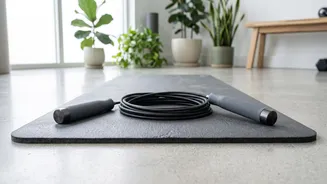
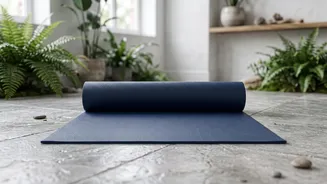
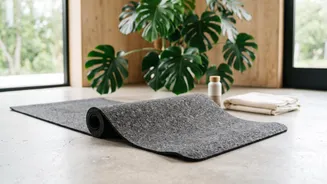
Where you choose to jump has a massive effect on the impact your body absorbs. Hard, unforgiving surfaces like concrete or asphalt are a primary cause of common jump rope injuries like shin splints. These surfaces offer zero shock absorption, sending the force of each landing straight back into your joints. Whenever possible, opt for a more forgiving surface. Wooden floors, rubberized gym flooring, or even a patch of firm grass are much better options. If those aren't available, investing in a quality jump rope mat is a fantastic solution. A good mat provides a stable, cushioned surface that protects not only your joints but also your rope from abrasive wear and tear.
Choose Your Footwear Wisely
The right shoes provide crucial support and cushioning. While you can technically jump in many types of footwear, some are far better than others for protecting your body. Cross-training shoes are often considered a safe, all-around pick because they offer a stable, flat sole, a flexible forefoot, and good midfoot security. Basketball shoes are also a popular choice due to their excellent ankle support and springy cushioning, which is ideal for repetitive jumping. Look for shoes with good shock absorption, particularly in the forefoot or the ball of the foot, as this is where you should be landing. Avoid worn-out shoes, as the foam cushioning loses its effectiveness long before the shoe looks old.
Warm-Up and Listen to Your Body
Never jump into a workout with cold muscles. A proper warmup prepares your body for the exercise to come and can significantly reduce your risk of injury. Focus on dynamic stretches that activate the key muscle groups. Movements like high knees, butt kicks, jumping jacks, and ankle rotations are excellent for getting your lower body ready for the plyometric demands of jumping rope. Equally important is listening to your body's signals. If you're new to jumping, start with short sessions and gradually increase the duration. Pain is a sign that something is wrong. Common issues like shin splints or knee pain are often overuse injuries caused by doing too much, too soon, with improper form. If you feel pain, rest and allow your body to recover.
Perfect Your Technique and Progression
There are two fundamental steps that form the basis of low impact jumping : the bounce step and the alternate foot step . The bounce step involves jumping with both feet together , keeping the jump low and rhythmic . The alternate foot step mimics running in place , shifting your weight from one foot to the other . This is often considered even lower impact than the two footed bounce . Mastering these basics before attempting more complex tricks like double unders is crucial for building a safe and sustainable practice . It’s also important to use a rope that is sized correctly for your height ; a rope that is too long or too short can disrupt your form and cause you to jump inefficiently .