



Why Routine Is a Pet’s Best Friend
For dogs and cats, predictability equals security. Their internal clocks are finely tuned to anticipate meals, and a consistent schedule does more than just prevent begging. It aids digestion, helps manage weight, and significantly reduces stress and anxiety.
When a pet knows when their next meal is coming, their body's digestive system can prepare, leading to better nutrient absorption. Disruptions to this routine can cause everything from digestive upset to behavioral issues like restlessness or excessive vocalizing. A stable feeding schedule is the foundation of a calm and healthy pet, making it easier to notice when something is wrong, as a sudden loss of appetite is often one of the first signs of a health problem.
Planning for Your Own Schedule Changes
Life is unpredictable. You might work late, get stuck in traffic, or have an impromptu weekend trip. These common changes can throw your pet’s feeding schedule into chaos. This is where backup systems become essential. An automatic feeder can be an excellent tool, dispensing pre-portioned meals at set times. However, it's crucial to introduce these devices gradually, allowing your pet to get comfortable with the new machine and its sounds. Start by using it for one meal a day while still feeding others by hand. Always measure the portions it dispenses to ensure it aligns with your pet's dietary needs, and monitor your pet to make sure they are eating comfortably from it. For longer absences, a trusted pet sitter is invaluable. Provide them with crystal-clear, written instructions: specify food type, exact portion sizes, and feeding times. Don't assume they'll just know; clarity is key to maintaining your pet's routine and your peace of mind.
The Visitor Variable: An Overlooked Disruption
Having guests over can be one of the most stressful events for a pet, and it often upends their feeding routine in subtle ways. Well-meaning visitors might be tempted to give your pet table scraps, which can lead to stomach upset or exposure to toxic foods. It's important to politely but firmly establish a "do not feed the pet" rule with your guests. The presence of new people can also make a nervous pet too anxious to eat, or they may feel their feeding space is no longer safe. To mitigate this, try to maintain their feeding schedule as closely as possible, even with a full house. Feed your pet in a separate, quiet room where they won't be disturbed. This creates a calm sanctuary and ensures they can eat in peace without competition or anxiety.
Creating a Truly Resilient Feeding Plan
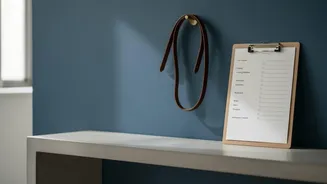
A comprehensive backup plan considers all variables. Start by creating a detailed instruction sheet that can be used by a pet sitter, a family member, or even yourself on a chaotic day. This document should include more than just meal times. List the brand of food, portion sizes, the location of the food and bowls, and any treats that are allowed. It should also detail any allergies or medications. For visitors, communicate your house rules clearly and kindly before they even arrive. Let them know your pet's needs regarding space and feeding. In case of a true emergency, like an evacuation, have a grab-and-go kit ready. This should contain a three-to-seven-day supply of your pet’s food in a waterproof container, a can opener if needed, bowls, and a supply of fresh water. Having these details prepared in advance removes guesswork and stress during disruptive times, ensuring your pet’s needs are consistently met no matter what's happening in the household.