





From Forest Floor to Frothy Latte
Walk into a cafe in 2026, and you’ll find the menu looks a little different. Alongside the familiar flat whites and cold brews, you might see options like a “Chagaccino” or a “Lion’s Mane Latte.” This isn't a gimmick. Functional mushrooms—a category of
fungi celebrated for their health benefits beyond basic nutrition—have officially moved from niche wellness blogs into mainstream cafe menus. This trend sees powdered mushroom extracts blended into coffee and other drinks, promising not just a caffeine kick, but added benefits like improved focus or stress relief. The global market for these beverages has surged, indicating a clear consumer appetite for drinks that do more than just wake you up.
What's Driving the 'Shroom Boom?
The mushroom’s rise is fuelled by a broader wellness movement. Consumers are increasingly looking for natural, functional ingredients that support their health goals. Over 60% of people now choose food and drinks that they believe will boost their energy and focus. Mushrooms, particularly adaptogenic varieties that are thought to help the body manage stress, fit perfectly into this demand. This shift is also driven by a desire for a more balanced energy boost without the jitters or crash associated with high-caffeine drinks. Furthermore, with the growing popularity of plant-based diets, mushrooms offer a sustainable, flavourful, and texturally satisfying option for a health-conscious audience.
A Menu of Modern Mushrooms
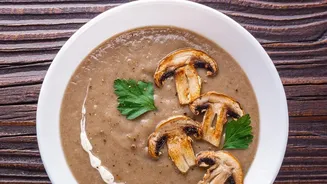
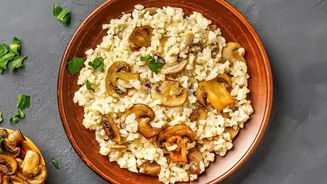
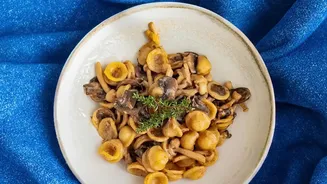
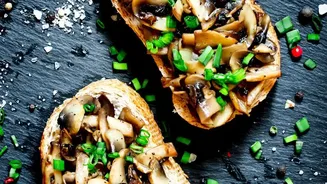
Not all mushrooms are created equal in this new cafe landscape. The stars of the show are typically Lion's Mane, Chaga, Reishi, and Cordyceps. Lion’s Mane is often marketed for its potential to enhance focus and cognitive clarity. Chaga is packed with antioxidants and linked to immune support. Reishi is known as the “calming” mushroom, associated with relaxation, while Cordyceps is popular with athletes for its purported energy and stamina-boosting properties. But it’s not just about drinks. Gourmet mushrooms like shiitake, oyster, and maitake are elevating simple dishes. Their rich, umami flavour makes them a perfect feature in savoury toasts, bowls, and even as plant-based meat alternatives in sandwiches.
But What Does It Taste Like?
The first question for many is, "Does mushroom coffee taste like mushrooms?" The answer, generally, is no. The mushrooms are used in powdered extract form and blended with coffee beans, which largely masks their flavour. The result is often described as a slightly earthier, smoother, and less acidic coffee. Some coffee-free blends use ingredients like chicory root to mimic a coffee-like taste. In savoury dishes, however, the mushroom's natural flavour is the main attraction. Chefs are using varieties like shiitake to bring deep umami to ramen and sauces, while oyster mushrooms are fried or roasted for a meaty bite. The classic mushroom toast, once a simple brunch item, is being transformed into a gourmet experience with additions like goat cheese, truffle oil, and fresh herbs.