

A Digital House of Cards
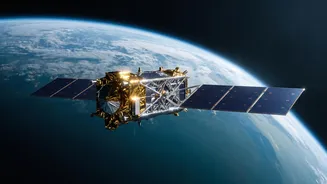
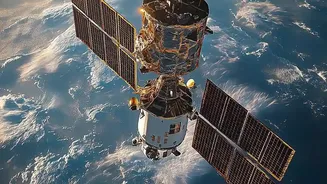
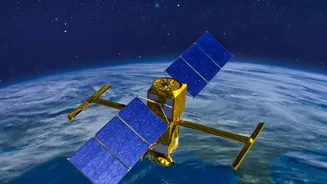
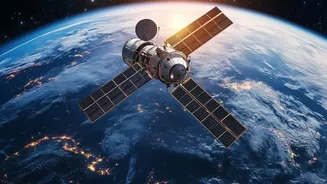
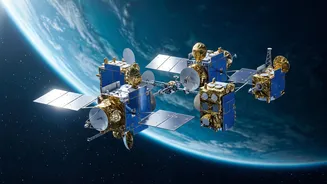
Recent simulations, designed to model the increasingly crowded environment of Low Earth Orbit (LEO), are painting a concerning picture. These advanced models demonstrate that as the number of satellites grows, the probability of collisions increases exponentially.
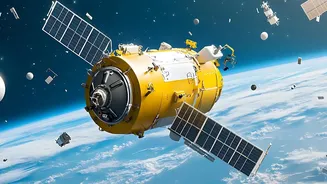
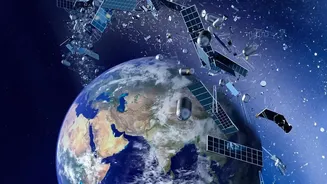
One simulation from earlier this year highlighted that in the even more complex region between the Earth and the moon, less than 10% of satellites might remain in stable orbits over a six-year period. While LEO is more predictable, the sheer volume of objects is the problem. The core finding is a reinforcement of a theory known as the Kessler Syndrome, first proposed by NASA scientist Donald Kessler in 1978. The model warned that once the density of objects in orbit passes a critical threshold, a single collision could trigger a cascading chain reaction. Debris from one crash would hit other satellites, creating even more debris, until entire orbital highways become unusable for generations. Recent analyses suggest we may have already passed that tipping point.
A Cosmic Traffic Jam
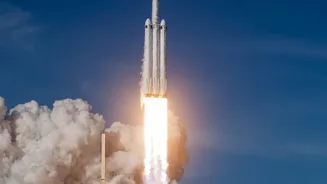
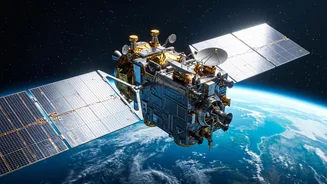
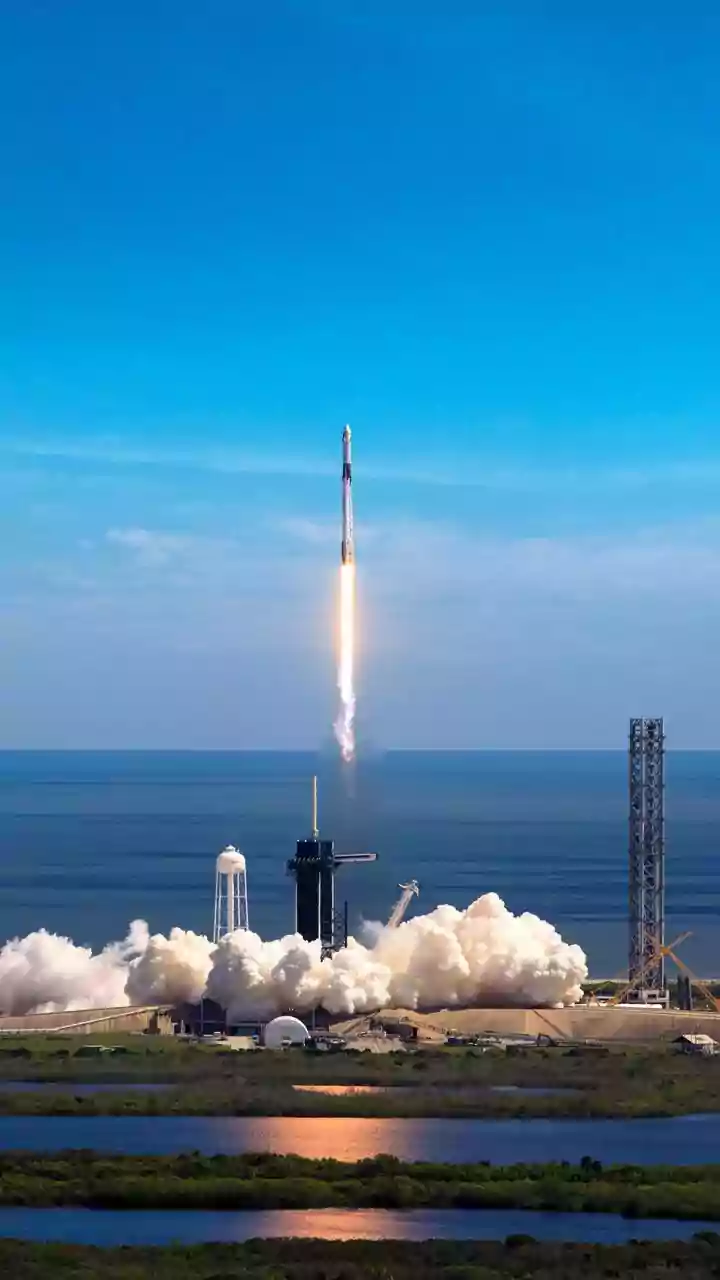
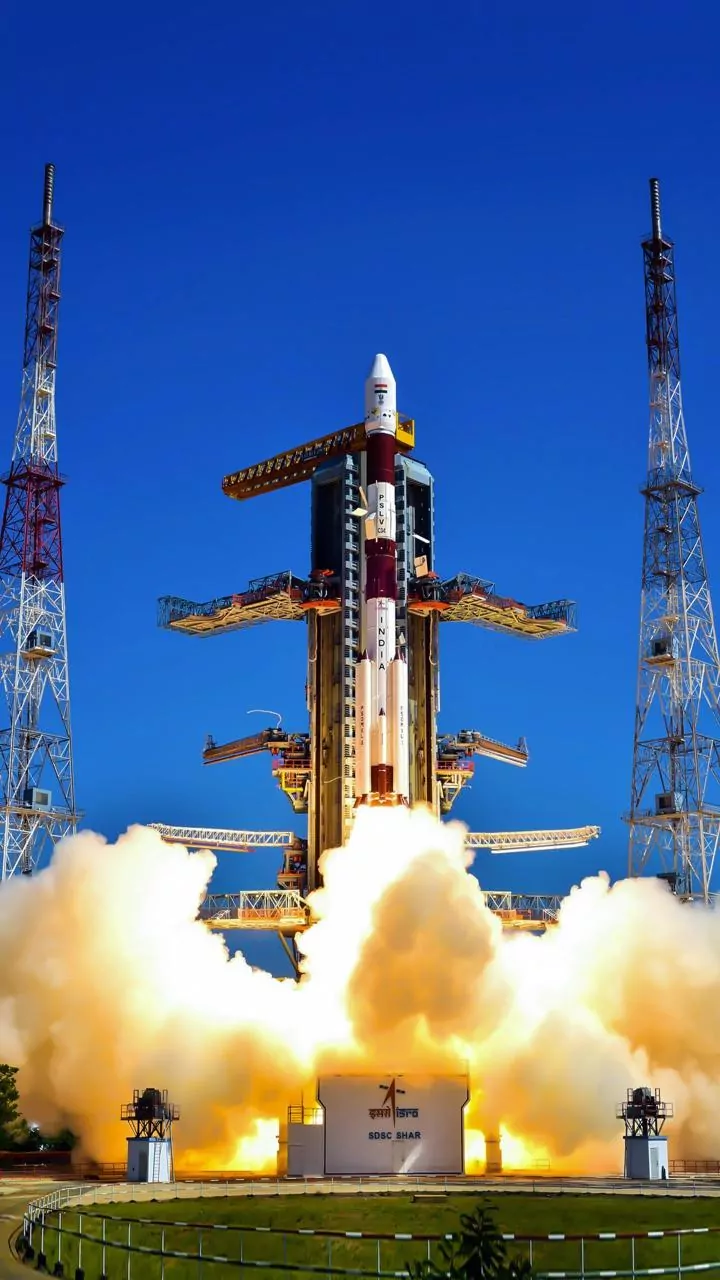
The scale of the problem is staggering. As of late 2026, there are over 16,800 active satellites orbiting Earth. Add in defunct satellites, spent rocket stages, and fragments from past collisions, and the number of tracked objects is over 32,000. The European Space Agency (ESA) estimates there are also over 140 million smaller, untrackable fragments, each travelling at speeds exceeding 28,000 kilometres per hour. At that velocity, even a fleck of paint can have the kinetic energy of an exploding grenade, capable of damaging or destroying a multi-million dollar satellite. This cosmic highway is only getting more congested. In 2026 alone, over 3,500 new satellites were launched and remain active. With mega-constellations like SpaceX's Starlink already numbering over 11,000 satellites and new Indian ventures from companies like Reliance planning constellations of over 1,600 satellites, the orbital environment is becoming more crowded by the day.
More Than Just GPS
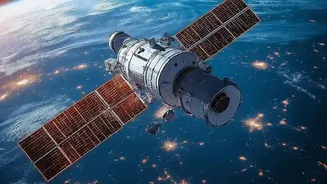
The fragility of this infrastructure is not an abstract problem for astrophysicists. It poses a direct threat to the functioning of modern Indian society. Satellites are the invisible backbone of our digital economy. The Unified Payments Interface (UPI), which processes over 800 million transactions daily, relies on the precise timing signals provided by navigation satellites to securely timestamp transactions. The same goes for stock market trades and banking systems. Beyond finance, we depend on satellites for weather forecasting, which is critical for agriculture and disaster management. They provide navigation for everything from ride-hailing apps to shipping and logistics. They enable communication in remote regions where terrestrial networks can't reach, a key part of India's digital inclusion goals. A significant disruption in LEO could jeopardise these essential services, impacting everything from daily commerce to national security.
The Search for a Solution
Recognising the threat, space agencies and private companies are actively developing solutions for 'Active Debris Removal' (ADR). These are technologies designed to capture and de-orbit the most dangerous pieces of space junk. Proposed methods sound like something from science fiction: giant nets to capture clusters of debris, harpoons to spear defunct satellites, robotic arms for precise capture, and even ground-based lasers to nudge fragments into decaying orbits. Missions like the ESA's ClearSpace-1, scheduled for the coming years, aim to demonstrate these technologies by capturing and removing a piece of a rocket. However, the challenges are immense. The technology is still in its early stages, and the legal and financial questions of who is responsible for cleaning up decades of orbital debris remain unanswered. For now, the most effective strategy is mitigation: designing satellites that can safely de-orbit themselves at the end of their life and improving space traffic management to prevent collisions before they happen.