


The Drainage Dilemma
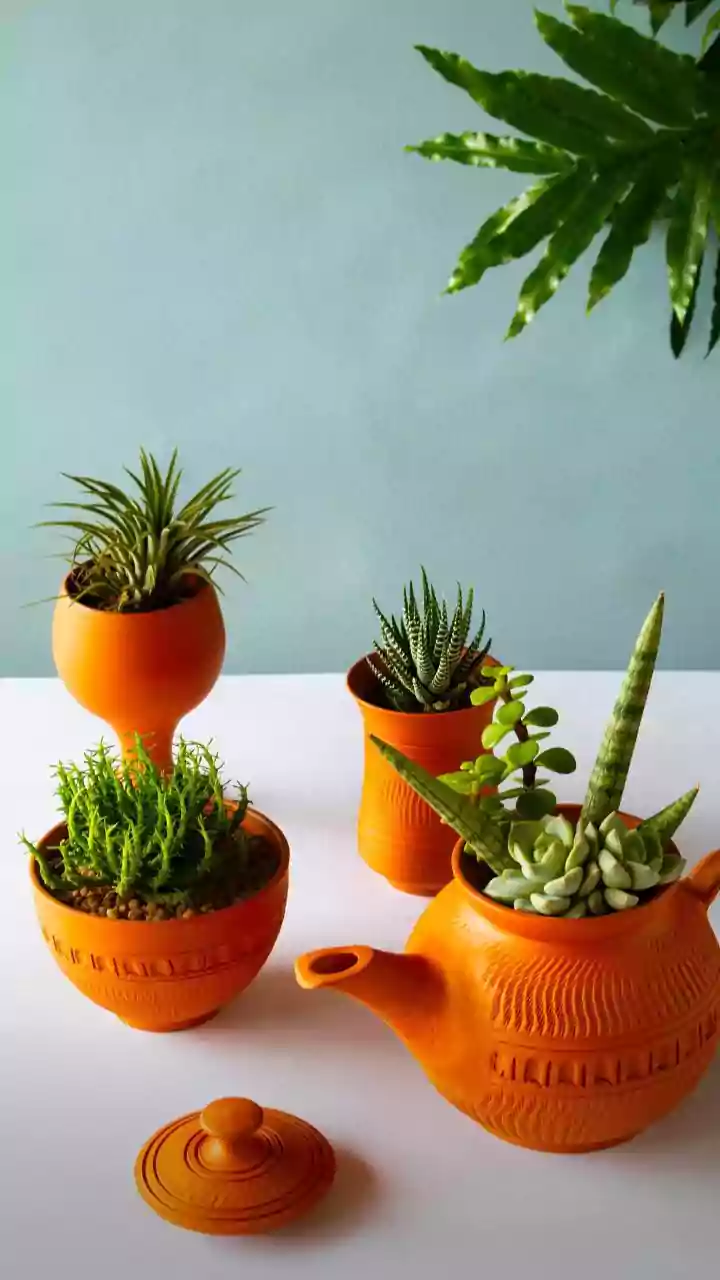
The single most important factor for success during the rainy season is drainage. Roots sitting in waterlogged soil cannot get enough oxygen, which leads to root rot. Start by choosing the right pots. Terracotta is an excellent choice as it is porous
and allows soil to breathe. Ensure every pot has multiple, clear drainage holes at the bottom. Elevating your pots on bricks, tiles, or dedicated pot stands is a simple but crucial hack. This small gap prevents the drainage holes from getting blocked and allows excess water to escape freely, which is especially important after a heavy downpour.
Get Your Soil Mix Right
Monsoon gardening demands a soil mix that is light and drains quickly. Heavy garden soil becomes compacted and waterlogged in pots. A perfect, beginner-friendly mix combines potting soil, compost, and cocopeat, with an added component for aeration like perlite or coarse sand. A good ratio to follow is roughly one part soil, one part compost, and one part cocopeat, with a handful of perlite mixed in. This blend provides nutrients from the compost, retains just enough moisture with the cocopeat, and ensures excess water drains away, keeping roots healthy.
Mastering Mint in the Monsoon
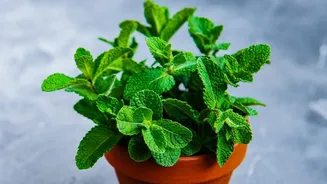
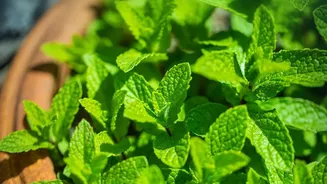
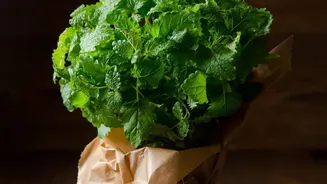
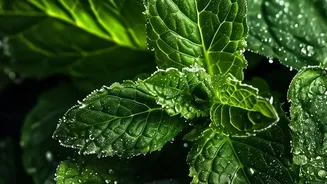
Mint, or pudina, is a vigorous grower but can suffer during constant rain. Its spreading nature means it's best grown in its own wide pot, at least 12 inches across. The key is to keep the soil moist but never soggy. During the monsoon, you'll need to reduce watering significantly; check the soil first and only water if the top inch feels dry. High humidity can make mint prone to fungal diseases like rust and powdery mildew. To prevent this, ensure good air circulation by not overcrowding plants and by regularly harvesting the top leaves. This regular pinching encourages the plant to grow bushier and more robust.
Lemongrass Love and Care
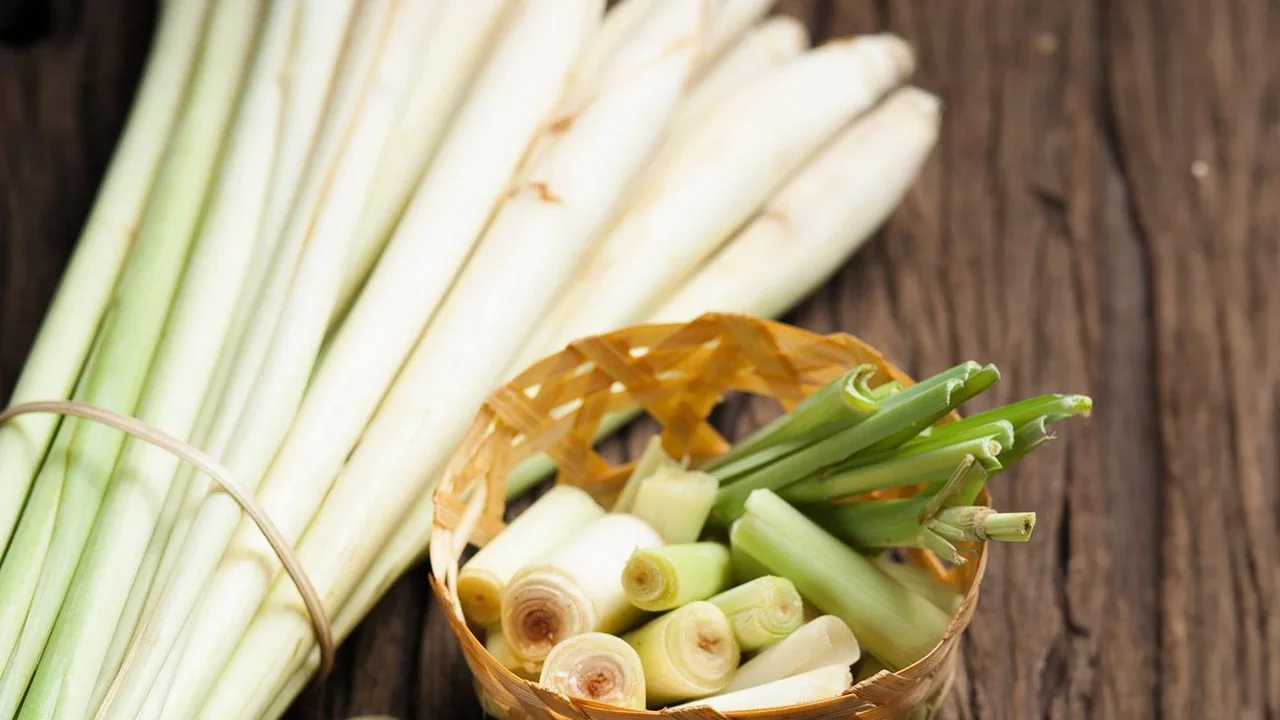
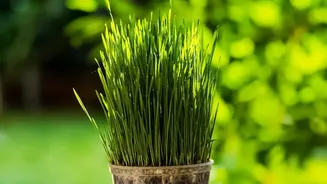
Lemongrass loves heat and humidity, making the monsoon a good growing season, provided it gets enough sun and drainage. This herb needs at least six hours of sunlight to thrive, so place it in the sunniest part of your balcony. A large, deep pot (around 5 gallons) is ideal to accommodate its root system and tall growth. Like mint, lemongrass is susceptible to root rot if left in waterlogged soil. Ensure your pot has excellent drainage and the soil is light. Although it loves moisture, you should still allow the soil to dry slightly between waterings during the rainy season.
Pest Patrol During a Downpour
The damp, humid conditions of the monsoon are a breeding ground for pests like aphids, whiteflies, snails, and slugs. Fungal infections are also common. Regularly inspect your plants, especially the undersides of leaves, for any signs of infestation. A simple spray made of neem oil, a few drops of liquid soap, and water is an effective organic solution to manage many common pests like aphids and whiteflies. To prevent fungal issues, avoid watering the leaves directly and ensure there's good airflow between your plants. Trimming any yellowing or infected leaves promptly can stop diseases from spreading.
Harvesting for Healthy Growth
Regularly harvesting your herbs is not just for your kitchen; it’s essential for the plant's health, especially during the monsoon. For mint, frequently pinching off the top sets of leaves prevents the plant from flowering and encourages it to become fuller and bushier. For lemongrass, harvest stalks once the plant is well-established (about a foot tall) and the base is at least half an inch thick. Cut the stalk at the base, near the soil level. This encourages the plant to produce new shoots, ensuring a continuous supply of fresh, fragrant herbs for your monsoon chai and meals.