






The Sanctuary of Science
The key to a safer monsoon trip lies in understanding a simple geographical phenomenon: the rain-shadow effect. When moisture-laden monsoon winds from the sea encounter a mountain range, they are forced to rise. As the air ascends, it cools, releasing
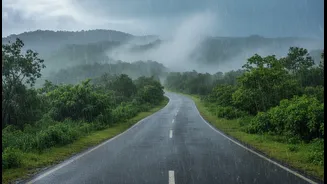
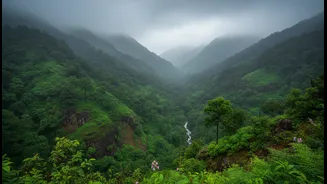
its moisture as heavy rainfall on the windward side—the side facing the wind. By the time the air passes over the mountain peaks to the other side (the leeward side), it has lost most of its moisture. This leeward region, shielded by the mountains, becomes a dry 'rain shadow' zone. While popular hill stations in the Western Ghats and parts of the Himalayas get drenched, these hidden-in-plain-sight areas remain surprisingly arid and accessible.
Himalayan Havens: Ladakh and Spiti
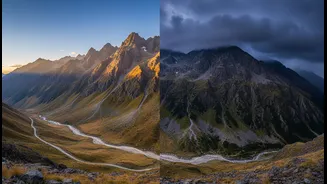
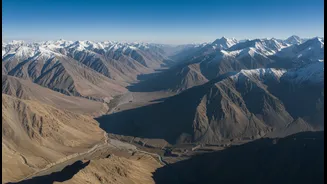
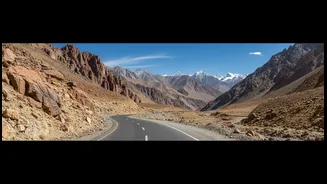
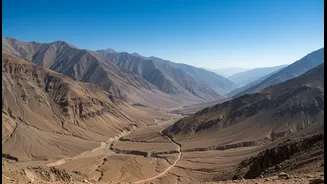
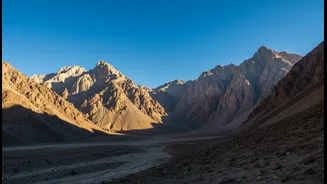
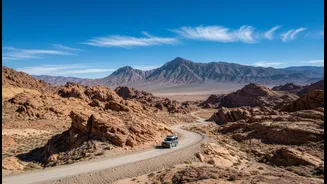
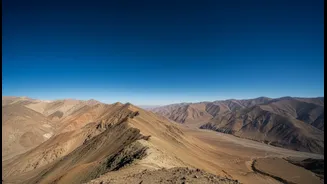
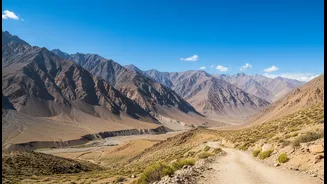
The most famous examples of rain-shadow destinations are in the trans-Himalayan region. Ladakh and Himachal's Spiti Valley are high-altitude cold deserts that are largely bypassed by the southwest monsoon. The mighty Himalayan ranges act as a colossal barrier, blocking the rain clouds and ensuring these valleys receive minimal precipitation during July and August. This results in clear, sunny skies and stable road conditions at a time when other Himalayan states like Uttarakhand and parts of Himachal Pradesh are grappling with landslides and road closures. While the approach roads to Ladakh and Spiti (especially from Manali) can be affected by rain, once you enter the rain-shadow zone itself, the risk of weather-related disruptions drops dramatically.
The Deccan's Drier Side
You don't have to go all the way to the Himalayas to find a rain-shadow sanctuary. The Western Ghats, which cause torrential rain along India's western coast, create a vast rain-shadow area to their east. This region, covering the interior of the Deccan Plateau, includes parts of Maharashtra, Karnataka, and Telangana. Here, the climate is semi-arid, and rainfall is significantly less intense than on the coast. This allows for pleasant exploration of historical marvels like Hampi in Karnataka or the forts near Pune and Aurangabad in Maharashtra without the constant threat of downpours. While the landscape might not be as lush as Coorg or Munnar, it offers a different kind of beauty and a much more reliable travel experience during the monsoon months.
Beyond Just Avoiding Rain
Choosing a rain-shadow destination isn't just about staying dry; it's about a qualitatively different and safer travel experience. Safer transit is the most significant advantage. Roads in these regions are less prone to washouts, blockages, and the terrifying threat of landslides, a frequent danger in other mountain areas during monsoon. This reliability is crucial for peace of mind. Furthermore, the lack of cloud cover means better opportunities for activities like stargazing in the clear, high-altitude skies of Spiti and Ladakh. The unique, arid-adapted ecosystems offer a different palette of flora and fauna, providing a stark and beautiful contrast to the typical monsoon greenery.
Smart Planning for a Safe Trip
While rain-shadow areas are significantly safer, no destination offers an absolute 'guarantee'. The claim of perfectly safe transit should be tempered with practical planning. The approach routes, particularly the Manali-Leh highway, can still be vulnerable to weather before you reach the rain shadow. Always check road conditions before and during your journey. It's wise to add buffer days to your itinerary to account for potential delays on entry routes. Book accommodations in advance, as these destinations are popular with in-the-know travellers. Finally, respect the fragile desert ecosystems you are visiting. Stick to marked trails and carry out all your waste to preserve these unique and beautiful landscapes for years to come.