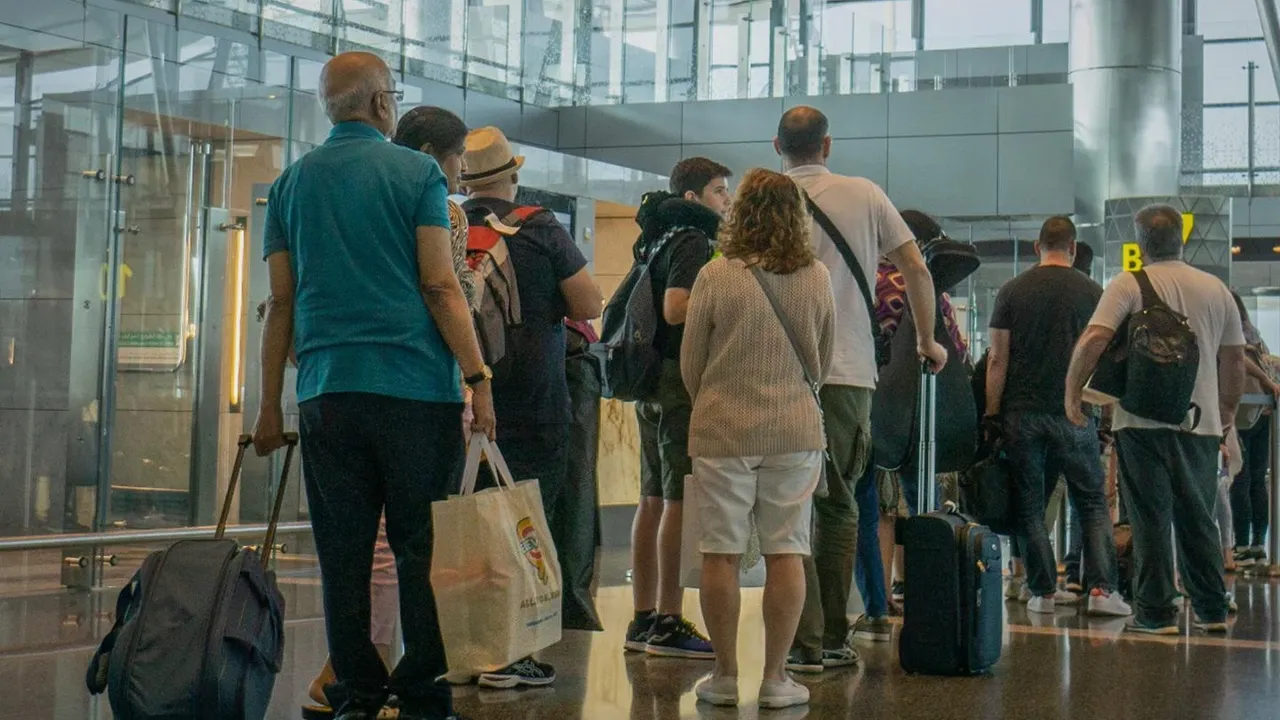







The Weekend Traveller's Trap
It’s a familiar routine for many: pack your bags on a Friday, head to a popular destination, and return on Sunday, just in time for the work week. While convenient, this peak travel window comes at a cost. Hotels and airlines operate on a simple principle
of supply and demand. With most people off work, demand soars from Friday to Sunday. In leisure destinations like beach resorts and popular tourist cities, hotels can increase their rates by 10-20% or more for weekend stays. This weekend premium is a standard industry practice designed to maximize revenue when occupancy is highest. The result is that you not only pay more for your room but also for your flight, as Sundays are often the most expensive day to fly.
The Midweek Advantage: Lower Prices
The secret to unlocking better value lies in travelling when others are not. By checking in between Sunday and Monday and checking out by Thursday or Friday, travellers can often find significantly lower rates. Once the weekend rush subsides, hotels are eager to fill rooms that would otherwise sit empty. This leads to reduced nightly rates during the week. One analysis found that Mondays and Sundays were the cheapest nights for a hotel stay, on average, while Saturdays were the most expensive. This pattern generally holds true for leisure destinations. Flights also tend to be cheaper mid-week, with Tuesdays and Wednesdays often cited as the most affordable days for domestic travel, potentially saving you over 10% compared to a weekend flight.
Peaceful Sightseeing and Shorter Queues
The benefits of midweek travel extend far beyond your wallet. One of the greatest perks is the noticeable lack of crowds. Popular attractions, museums, beaches, and parks that are packed on a Saturday can be surprisingly tranquil on a Tuesday morning. This means less time waiting in line and more time actually enjoying the sights. Imagine exploring a historic landmark without being jostled by crowds or finding a table at a sought-after restaurant without a reservation. By visiting major attractions on weekdays, you can have a more intimate and enjoyable experience. Visiting popular spots early in the morning, before 8 a.m., can further enhance this sense of peace, allowing you to see the sights before the main rush of visitors arrives.
How to Maximise Your Midweek Trip
To make the most of this travel strategy, flexibility is key. When searching for hotels and flights, use a flexible date search to easily compare prices across different days of the week. Booking a stay that starts on a Sunday and ends on a Thursday or Friday morning can often yield the biggest savings. Don't hesitate to call hotels directly, especially for last-minute trips; they might offer unpublished rates to fill empty rooms. For sightseeing, plan to visit the most popular attractions on weekdays and save more casual activities, like exploring different neighbourhoods or relaxing in a park, for the weekend if your trip extends. This strategy ensures you see the main sights with the fewest people.
Know the Exceptions to the Rule
While midweek travel is a great rule of thumb for leisure destinations, it's not a universal law. In major business hubs or cities that host large conferences, the opposite can be true. Hotels in financial districts may be most expensive from Monday to Thursday to cater to corporate travellers, with prices dropping on the weekends. Furthermore, major events like concerts, festivals, or public holidays can drive up prices on any day of the week. Before you book, it's always wise to check a city's event calendar to see if your travel dates coincide with a major event that could impact hotel rates and crowd levels.