



The New Wave from Bharat
The engine of India's e-commerce growth has decisively shifted from the metros to Tier 2, Tier 3, and smaller towns. These regions now contribute the majority of new online shoppers and a significant chunk of sales. Unlike the first wave of urban, English-speaking
consumers who prioritised big brands and electronics, this new cohort is distinctly different. They are value-conscious, often making their first significant online purchases, and seek products that cater to their specific needs and aspirations. This geographic expansion means platforms can no longer operate with a one-size-fits-all strategy. Success now depends on understanding the nuanced demands of consumers in places like Jaipur and Coimbatore as much as those in Mumbai and Delhi.
Language is the New Login
For the next wave of users, English is not the default language of commerce. A vast majority of Indian consumers prefer to engage with information in their native language and trust local-language content more. This has made vernacular interfaces non-negotiable. E-commerce platforms are increasingly adding support for languages like Hindi, Tamil, Telugu, and Kannada, not just on the surface but across the entire user journey—from search and product descriptions to customer support. Voice search, predominantly used in regional languages, is also exploding, changing how products are discovered. Platforms that fail to communicate in the language of their customers risk becoming invisible to a huge and growing market segment.
From Gadgets to Groceries
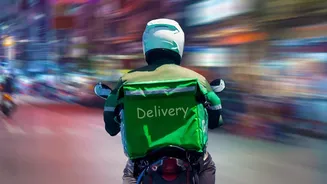
The Indian online shopping basket has diversified dramatically. While electronics once dominated, categories like groceries, fashion, beauty, and personal care are now driving growth. This shift is powered by changing lifestyles and the sheer convenience of having everyday essentials delivered. The rise of 'quick commerce,' promising deliveries in under 30 minutes, has been a game-changer, especially for groceries. What started in metros is now expanding to smaller cities, fundamentally altering consumer expectations around speed and convenience for all types of products. This requires e-commerce players to build complex, hyperlocal supply chains that can handle everything from a smartphone to a packet of milk with equal efficiency.
Discovery Moves to Social Feeds
Product discovery is no longer confined to the search bar of an e-commerce app. A huge number of Indian consumers, particularly the influential Gen Z cohort, discover new products and brands through social media platforms like Instagram and YouTube. Influencer marketing plays a massive role in this ecosystem, with shoppers placing significant trust in recommendations from content creators. This has fueled the rise of social commerce, where the entire shopping journey from discovery to checkout can happen within a social app. For e-commerce platforms, this means they are not just competing with each other, but also with a million small, direct-to-consumer (D2C) brands reaching customers directly through social channels.
Value Over Brand Names
While brand consciousness remains, especially in certain categories, a pragmatic, value-driven mindset is becoming increasingly dominant. The new Indian online shopper is highly sensitive to the price-to-value ratio, product authenticity, and easy return policies. This doesn't always mean hunting for the cheapest product, but rather seeking good quality at a fair price. This trend has fueled the growth of private labels launched by e-commerce platforms and the explosion of D2C brands that offer niche products and better value propositions. Platforms must now cater to a 'hyper-value' conscious segment, often with zero-commission models for sellers and a focus on affordability to win over the next 300 million consumers.