









The Core of the Problem
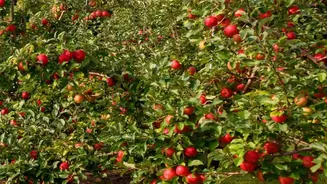
The apple industry is the backbone of Kashmir's rural economy, contributing around 8% to the region's GDP and supporting approximately 3.5 million livelihoods. The valley accounts for over 70% of India's total apple production, making it a critical sector
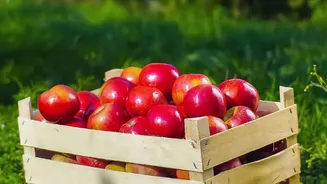
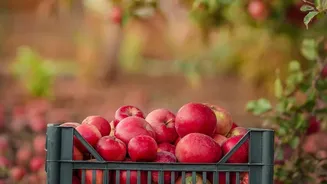
for the entire country. However, this vital industry has long been plagued by a chronic issue: post-harvest losses. Estimates suggest that between 10% and 30% of the produce is wasted annually due to inadequate storage, poor handling, and logistical bottlenecks like highway closures. Farmers are often forced into distress sales immediately after harvest when market prices are at their lowest, simply to avoid spoilage. This negates their ability to earn better prices during the off-season and significantly impacts their income.
A Cold Chain Revolution
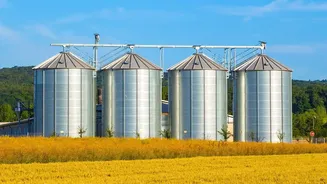
The solution lies in building a modern and efficient cold chain, and at its heart is Controlled Atmosphere (CA) storage. Unlike conventional cold storage, CA facilities are sealed chambers where temperature, humidity, and the levels of oxygen and carbon dioxide are precisely managed. This technology slows down the ripening process, preserving the apple's freshness, crispness, and quality for up to ten months. The impact is transformative. By extending the shelf life of their produce, farmers are no longer at the mercy of the immediate post-harvest market glut. They can store their A-grade apples and sell them in phases when demand and prices are more favourable, potentially doubling their returns for the same box of apples. The government has recognized this potential, offering significant subsidies to encourage the establishment of CA stores.
The Role of Cooperatives
While large entrepreneurs have been building CA stores, the high cost has often put this technology out of reach for small and marginal farmers. This is where cooperatives are stepping in. Farmer cooperatives play a vital role in pooling resources, providing collective bargaining power, and helping small growers access markets and infrastructure they couldn't afford alone. By organising, farmers can invest in or partner with modern logistics providers, ensuring their members get space in CA facilities. This collective approach is crucial for democratising access to modern post-harvest technology and preventing a two-tiered system where only large players benefit. Farmer organisations have actively called for strengthening this cooperative model to counter corporate dominance in the trade.
More Than Just Apples
The modernization of logistics is about more than just preventing financial loss; it's about building resilience for the entire horticultural ecosystem. An efficient cold chain reduces food waste, ensures a steady supply of high-quality produce to consumers across India, and creates stable employment. The industrial area of Lassipora in Pulwama, which has become a major hub for CA storage, employs thousands of workers, many of whom are migrants from other states, in sorting, grading, and packing roles. This creates a ripple effect, supporting allied businesses and boosting the broader rural economy. Furthermore, by adopting international standards for post-harvest management, Kashmiri apples can become more competitive, opening up potential new markets.
The Road Ahead
Despite this progress, significant challenges remain. The current CA storage capacity in Kashmir is still only about half of what is required to handle the volume of A-grade apples. Power supply can be unreliable, which is a major concern for facilities that need to maintain precise temperatures around the clock. Logistical hurdles, especially the frequent closures of the Srinagar-Jammu highway, continue to pose a serious threat, causing delays that can compromise the quality of the fruit before it even reaches a storage unit. Moreover, experts caution that CA stores are not a magic bullet; they can only preserve the quality of properly harvested, A-grade fruit. Issues like premature harvesting during periods of panic can lead to significant losses even with the best technology.