






More Than Just an Ugly Patch
A damp wall does more than just look unpleasant; it poses significant risks to both your health and your home's structure. The persistent moisture creates an ideal breeding ground for mould, which releases tiny spores into the air. Inhaling these spores can trigger
a range of health issues, including respiratory problems, allergies, coughing, and nasal congestion. It can be particularly harmful to children, the elderly, and individuals with asthma or weakened immune systems. Beyond health concerns, dampness slowly compromises the integrity of your home. Moisture can weaken plaster, cause paint to bubble and peel, and in severe cases, lead to the decay of structural timbers and a decrease in property value.
Playing Detective to Find the Signs
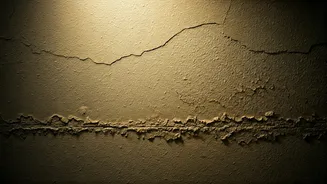
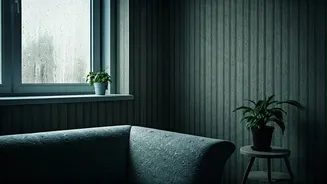
Identifying dampness early is key to preventing further damage. Your senses are your best tools in this investigation. A persistent musty odour is often the very first clue. Visually, look for dark or discoloured patches on walls, bubbling or peeling wallpaper, and flaky plaster. Another tell-tale sign is a wall that feels cold or wet to the touch. In some cases, you might see a white, powdery substance on the wall surface, which is salt residue left behind as water evaporates. Also, pay attention to excessive condensation on windows, as this indicates high humidity levels that can contribute to damp walls.
Uncovering the Common Culprits
In Indian homes, dampness often stems from a few common sources, especially amplified during the monsoon season. One major cause is 'penetrating damp,' where water from outside seeps through cracks in external walls, gaps around window frames, or a damaged roof. Another frequent issue is internal leakage from concealed plumbing in bathrooms and kitchens, which can remain unnoticed for months. 'Rising damp' occurs when groundwater travels up through the walls from the foundation, a common problem in older buildings without a proper damp-proof course. Finally, 'condensation' from daily activities like cooking and bathing can cause dampness if a room has poor ventilation.
Your Action Plan for Dry Walls
Once you've identified the issue, it's time to act. Simply painting over a damp patch is not a solution; you must address the source. Start by scraping away any peeling paint and loose plaster from the affected area and allowing the wall to dry completely. For minor condensation issues, improving ventilation by opening windows or using exhaust fans can make a significant difference. A dehumidifier can also help reduce overall moisture in the air during humid months. If the cause is a leak, whether from plumbing or the exterior, it must be repaired first. After fixing the source, you can treat the internal wall. Applying a waterproof putty or primer creates a barrier, and finishing with a high-quality, damp-resistant paint provides long-term protection.
When to Call in the Professionals
While many minor issues can be handled as a DIY project, some situations require professional expertise. If you suspect rising damp or significant structural cracks, it's best to consult a specialist. Professionals can conduct a thorough diagnosis using tools like moisture meters and offer targeted solutions such as injection grouting for rising damp or applying advanced elastomeric coatings for severe external cracks. In India, several reputable companies offer comprehensive waterproofing services tailored for different parts of the home, from terraces to basements, using technologies designed to withstand the climate.