



The Appeal of Natural Textures
Minimalism is often defined by clean lines and a lack of clutter, but this simplicity doesn't have to mean a lack of warmth. In fact, a core principle of modern minimalist design is the use of natural materials to create an inviting atmosphere. [7] This
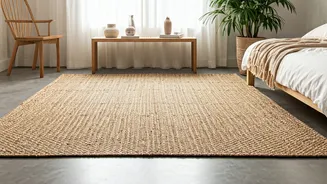
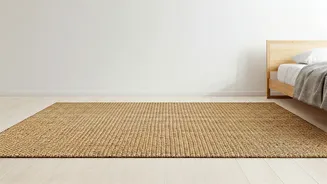
is where jute, a fibre derived from plants grown primarily in Asia, enters the picture. [11] Its earthy, golden tones and unique woven texture provide a perfect counterbalance to smooth, sleek furniture and neutral walls. [7, 14] Designers favour jute because it introduces an organic element that feels both grounded and sophisticated, preventing a minimalist space from feeling stark or sterile. [15]
Why Jute is a Sustainable Champion
For the growing number of homeowners who prioritize eco-conscious decor, jute is an ideal choice. [5, 6] The jute plant is a highly renewable resource, growing quickly and often ready for harvest multiple times a year. [1, 10] Its cultivation typically requires less water, pesticides, and chemical treatments compared to other textiles like cotton. [1, 4, 10] Furthermore, jute rugs are biodegradable, meaning they can return to the earth at the end of their lifecycle without releasing harmful toxins or microplastics, unlike their synthetic counterparts. [1, 2, 6] This low environmental impact makes jute a responsible and stylish foundation for any room. [10]
A Foundation of Warmth and Softness
The primary role of a rug in a minimalist bedroom is to add a layer of comfort and warmth, both visually and physically. [13] Jute excels at this. Its natural fibres have insulating properties, making the floor feel warmer and more comfortable underfoot, especially on chilly mornings. [7, 11] The chunky, woven texture is surprisingly soft and adds a tactile quality that invites relaxation. [8] This textural richness creates visual depth, making the entire room feel more complete and considered. [5, 13] It’s a simple way to add a cozy, welcoming layer without disrupting the calm, uncluttered aesthetic. [18]
Designer Tips for Styling Jute Rugs
Interior designers use jute rugs with remarkable versatility. [16] A large, neutral jute rug can serve as an anchor for the entire room, grounding the bed and other furniture. [15] For added visual interest, designers often layer a smaller, patterned or more colourful rug on top of the jute base. [3, 16] This technique adds personality and depth while maintaining the natural foundation. When selecting a jute rug, consider the weave; a tighter weave offers a more refined look, while a chunkier, looser weave provides a more rustic feel. [14] Don't be afraid of patterns, either—many jute rugs come with subtle diamond or square designs woven in, adding interest without overwhelming the space. [13, 17]
Practical Perks and Easy Maintenance
Beyond its style and sustainability, jute is also a practical choice. The fibres are naturally strong and durable, making jute rugs suitable for areas with moderate foot traffic, like a bedroom. [1, 4, 11] They are also relatively affordable compared to other natural fibre rugs such as wool or silk. [2, 4] Maintenance is straightforward; regular vacuuming without a beater bar is usually all that's needed to remove dust and debris. [3, 8] Spills should be blotted immediately, and the rug should be kept out of damp environments. [3, 8] Many also find jute to be a healthy choice, as the natural fibres are often hypoallergenic and don't trap allergens. [2, 4]