






What Exactly Are ‘Ultra-Processed’ Foods?
The term comes from the NOVA classification system, developed by researchers at the University of São Paulo. It doesn't focus on nutrients like fat or sugar, but on the extent and purpose of industrial processing. The system has four groups, with 'ultra-processed
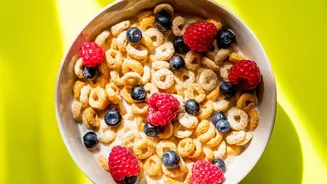
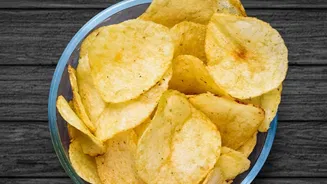
foods' (UPFs) being the fourth and most processed category. Think of it this way: an apple is unprocessed. Apple sauce with sugar is a 'processed food'. But a fruit-flavoured gummy snack made with high-fructose corn syrup, modified starches, and additives is ultra-processed. UPFs are industrial formulations made from substances extracted from foods (like fats, starches, and sugars) or synthesized in labs. They often include additives to imitate the sensory properties of real food and are designed to be hyper-palatable and convenient. Common examples include packaged snacks, sugary drinks, instant noodles, and many ready-to-eat meals.
The Growing List of Health Concerns
A flood of recent studies has linked high consumption of UPFs to a wide array of negative health outcomes. Major research presented in 2026 linked high intake of UPFs to a significantly higher risk of heart attack, stroke, and death from cardiovascular disease. For example, one large study found that people eating nine or more servings per day had a 67% higher risk of major cardiac events compared to those eating just one. Other research has connected high-UPF diets to a greater risk of developing depression and anxiety. A Harvard co-authored study found that women who ate the most UPFs had a 50% higher risk of depression. The link to artificial sweeteners was particularly strong. Studies have also suggested a link between high UPF consumption in cancer survivors and an increased risk of death from any cause, including cancer. These associations often remain even after researchers account for factors like the food's nutritional content, suggesting there's more to the story than just salt, sugar, and fat.
Why the UPF Concept Is Still Debated
Despite the alarming findings, the UPF category is a source of intense scientific debate. Critics argue that the definition is too broad and sometimes inconsistent. For example, a whole-grain, fortified breakfast cereal might be classified as a UPF alongside a sugary pastry, despite their very different nutritional profiles. Some scientists believe this can cause confusion and may not be helpful for creating dietary guidelines. The central question is whether the health risks come from the industrial processing itself or from the poor nutritional quality of most UPFs. Many UPFs are high in calories, unhealthy fats, sugar, and salt, and low in fibre. Critics argue these factors, not the processing, are the real culprits. Furthermore, most studies on UPFs are observational, showing a correlation but not proving causation. It's possible that people who eat more UPFs also have other unhealthy lifestyle habits that contribute to poor health.
Navigating Your Diet in the Real World
So, what should you do with this information? Most experts agree that you don't need to panic or eliminate every processed food from your diet. The key is awareness. The UPF concept is a useful, if imperfect, tool for thinking about what you eat. Rather than getting bogged down in classifying every single item, a more practical approach is to focus on building a diet around whole or minimally processed foods—like fruits, vegetables, legumes, and fresh meats. When you do buy packaged goods, get into the habit of reading the ingredients list. Long lists of unfamiliar ingredients, like various types of sugars, modified starches, and numerous additives, are a good indicator that a product is ultra-processed. It’s not about achieving perfection but about making informed choices. A healthy diet is about overall patterns, not a single food or category. Shifting the balance of your diet towards more whole foods is a positive step, without the stress of an all-or-nothing approach.