


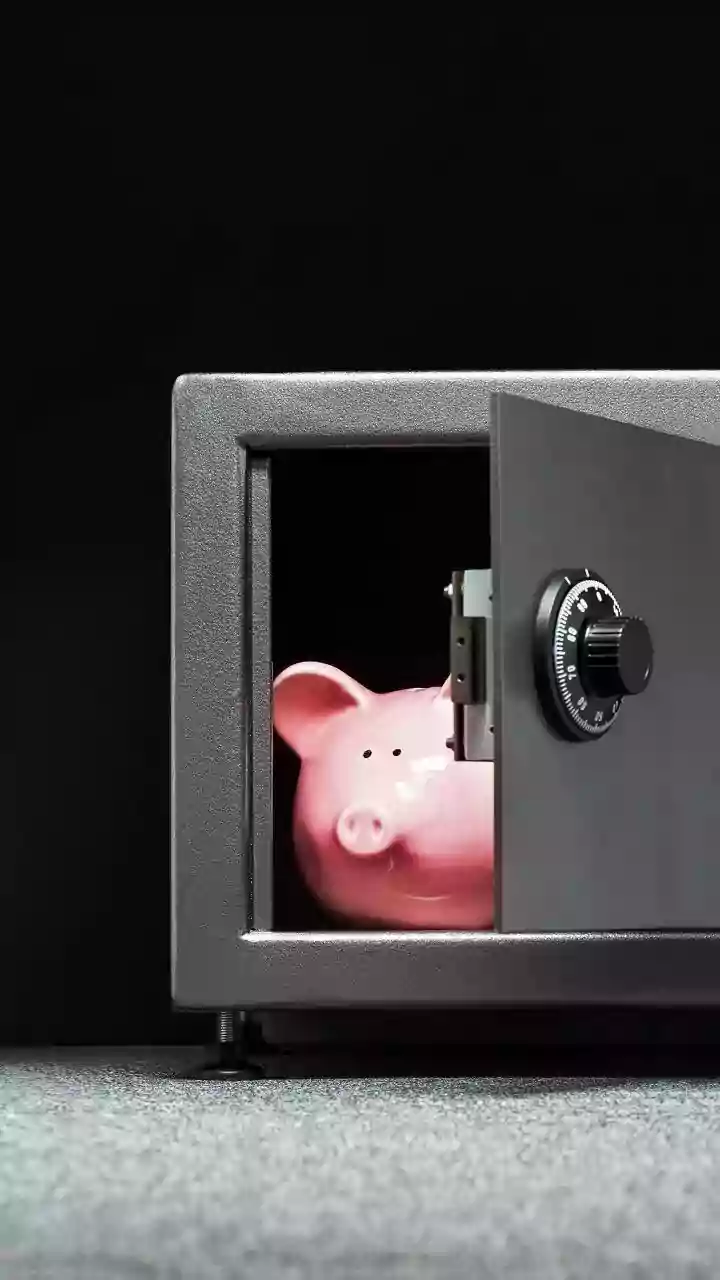





First, Understand Your Goal
An emergency fund isn't just a regular savings account; it's a dedicated financial cushion for genuine crises like a sudden job loss, an unexpected medical bill, or urgent home repairs. Financial experts generally recommend a fund that covers three to
six months of your essential living expenses. This includes non-negotiable costs like your rent or home loan EMI, groceries, utility bills, insurance premiums, and essential transportation. Don't let the final number intimidate you. The goal is not to build it overnight, but to start the habit of setting money aside consistently for your financial security.
Start Small to Build Momentum
If saving six months of expenses feels overwhelming, set a smaller, more achievable initial target. Aim for a starter fund of ₹25,000 or an amount equivalent to one month's rent. Reaching this first milestone provides a significant psychological boost and can cover many smaller, common emergencies like a car breakdown or appliance failure. Once you hit your first target, you can create a new goal for three months' worth of expenses, and then six. The key is to break down the large goal into manageable steps to build momentum and avoid feeling discouraged.
Adopt the 'Pay Yourself First' Mindset
One of the most powerful strategies in personal finance is to treat your savings like a non-negotiable bill. This is the 'pay yourself first' method. Instead of saving what's left after all your spending, you set aside your savings amount the moment your salary arrives. This simple shift in perspective ensures that your financial future is prioritised, not an afterthought. The easiest way to implement this is to automate the process, taking the decision out of your hands each month.
Put Your Savings on Autopilot
Automation is your best friend when it comes to consistent saving. Most Indian banks allow you to set up a standing instruction or recurring transfer from your salary account to a separate savings account. Schedule this transfer for the day after you typically receive your salary. This way, the money is moved before you even have a chance to spend it. You can start with a small amount and gradually increase it as you get more comfortable with your budget. This “set it and forget it” approach builds discipline without relying on monthly willpower and is one of the most effective ways to grow your emergency fund.
Find the Leaks in Your Budget
A 'crowded' budget often has small, recurring leaks that drain your income. Take an honest look at your last two to three months of expenses to identify where your money is going. Pay close attention to 'wants' versus 'needs'. Common areas for cutbacks include multiple streaming subscriptions, frequent food delivery orders, and impulse shopping. A popular framework is the 50/30/20 rule: 50% of your income for needs, 30% for wants, and 20% for savings. While this is a guideline, it can help you see if your spending is out of balance. Even small cutbacks can free up a significant amount to channel directly into your emergency fund.
Use Windfalls Strategically
Unexpected income, such as a work bonus, a tax refund, or a festival gift, can provide a massive boost to your emergency fund. Instead of treating this extra cash as a spending bonus, make a conscious decision to direct a significant portion—or all of it—towards your savings goal. A single large deposit can help you leapfrog several months of regular savings, bringing you much closer to your target and providing immense peace of mind. This disciplined approach can dramatically accelerate your journey to financial stability.