






What the 'Wait Time' Number Really Means
When you see a report that the B-1/B-2 visitor visa wait time is several months, it's an important but specific piece of data. That number, published by the U.S. Department of State, is an estimate for how long a first-time applicant might wait for an in-person
interview at a specific consulate. It is not a universal waiting period for every applicant in India. These figures are averages and can fluctuate based on the volume of applications and the processing capacity of the consular staff. The wait time begins after you've paid the visa fee and are ready to schedule your interview; it doesn't include the time to prepare your application or any potential administrative processing after the interview.
The Two Main Queues: Interview vs. Waiver
The most significant factor influencing your wait is whether you need an in-person interview. The lengthy wait times, often ranging from 100 to over 250 days, primarily apply to first-time B-1/B-2 applicants. In contrast, many individuals renewing their visas may be eligible for an interview waiver, often called the 'dropbox' process. For these eligible renewal applicants, the process is significantly faster, often taking just a few weeks from document submission to passport return. This distinction is crucial; the headline-grabbing delays are for one specific track, while the renewal track operates on a much shorter timeline. Always check the official U.S. visa site to see if you qualify for an interview waiver, as eligibility rules can change.
Not a Single National Queue
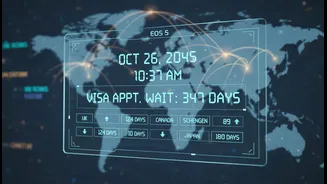
India is home to five U.S. consular posts that issue visas: the Embassy in New Delhi and Consulates in Mumbai, Chennai, Hyderabad, and Kolkata. Critically, wait times are not uniform across the country and can vary dramatically from one city to another. For instance, in mid-2026, wait times for a visitor visa interview were reportedly around 9.5 months in Hyderabad and Mumbai, but significantly shorter in Kolkata at around 4 months. This is due to differences in applicant volume and consular capacity at each post. Indian applicants generally have the flexibility to schedule their interview at any of the five posts, so it can be advantageous to check the wait times at all locations before booking an appointment.
Why Do The Numbers Fluctuate?
Visa wait times are not static. They change due to a mix of factors, including seasonal demand, staffing levels, and application backlogs. For example, demand often surges ahead of student travel season (May-August) or major holiday periods. In response to high demand, the U.S. Mission to India has significantly increased its staffing and has been processing a record number of visas, which has helped reduce the peak backlogs seen in previous years. The State Department also regularly releases new appointment slots as they become available through cancellations or increased capacity. This means that an applicant who books an appointment several months out may be able to reschedule for an earlier date by checking the portal frequently.
How to Plan Your Application
Given the dynamic nature of visa processing, the best strategy is to plan well in advance. Start the process months before your intended travel date. Use the published wait times as a first step to set a realistic timeline. Complete your DS-160 form carefully, pay the fee, and then monitor the appointment scheduling portal for all five Indian consulates. Be prepared to book a date that might be far in the future, with the knowledge that you can check back for earlier openings. Booking flexible or refundable travel arrangements is a wise precaution until your visa is secured. The key is to be proactive and patient, using the available data not as a roadblock, but as a tool for smart planning.