

Catch the Tail End of Summer Meteors
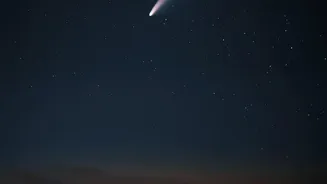
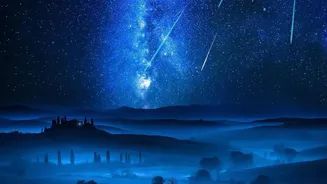
While the main spectacle of the Perseid meteor shower occurred mid-month, the shower itself remains active until the end of August. This means you still have a chance to spot a stray 'shooting star' in the late-night hours. More immediately, the Kappa
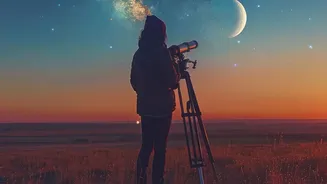
Cygnid meteor shower is currently at its peak. Active until about August 28, this is a minor shower, producing only about three meteors per hour. However, it's known for producing occasional bright, slow-moving fireballs, making a patient watch potentially rewarding. With the moon being a slim crescent, its light won't interfere, offering dark skies for spotting these faint streaks. The best time to look is after midnight, toward the constellation Cygnus.
A Farewell Shower for the Month
As August draws to a close, another meteor shower arrives to bid the month farewell. The Aurigids are set to peak on the night of August 31, continuing into the early hours of September 1. This is another minor shower, but it is slightly more active than the Kappa Cygnids, with a potential for about six meteors per hour under dark skies. To catch this display, find a location away from city lights and look toward the constellation Auriga, the Charioteer, in the hours before dawn. It offers a perfect, quiet bookend to a busy month of celestial activity.
The Ringed Planet Commands the Night
Saturn is making its grand entrance into the evening sky. While the planet’s opposition—its brightest and best viewing point for the year—isn't until October, late August marks the beginning of its prime viewing season. The magnificent ringed planet will rise in the east around sunset and remain visible throughout the night, travelling across the sky. It will appear as a steady, bright yellowish-white point of light in the constellation Cetus. While it’s a beautiful sight for the naked eye, even a basic pair of binoculars will help stabilize the view, and a small telescope will begin to reveal its iconic rings, making it a rewarding target for a long, patient look.
Planetary Parade: Evening and Morning
Besides Saturn, other planets are putting on a show. Venus continues to dominate the western sky right after sunset. Look for it as a dazzlingly bright 'evening star' that outshines everything else in that part of the sky. On the other end of the night, Mars can be found in the pre-dawn sky. Look for a distinct, reddish point of light rising in the east before the sun. For those who are up early, Mercury is also making a brief appearance low on the eastern horizon before dawn, though it will disappear into the sun's glare after August 27. Jupiter remains a very challenging object, sitting extremely low in the dawn twilight.
A Glimpse of Our Home Galaxy
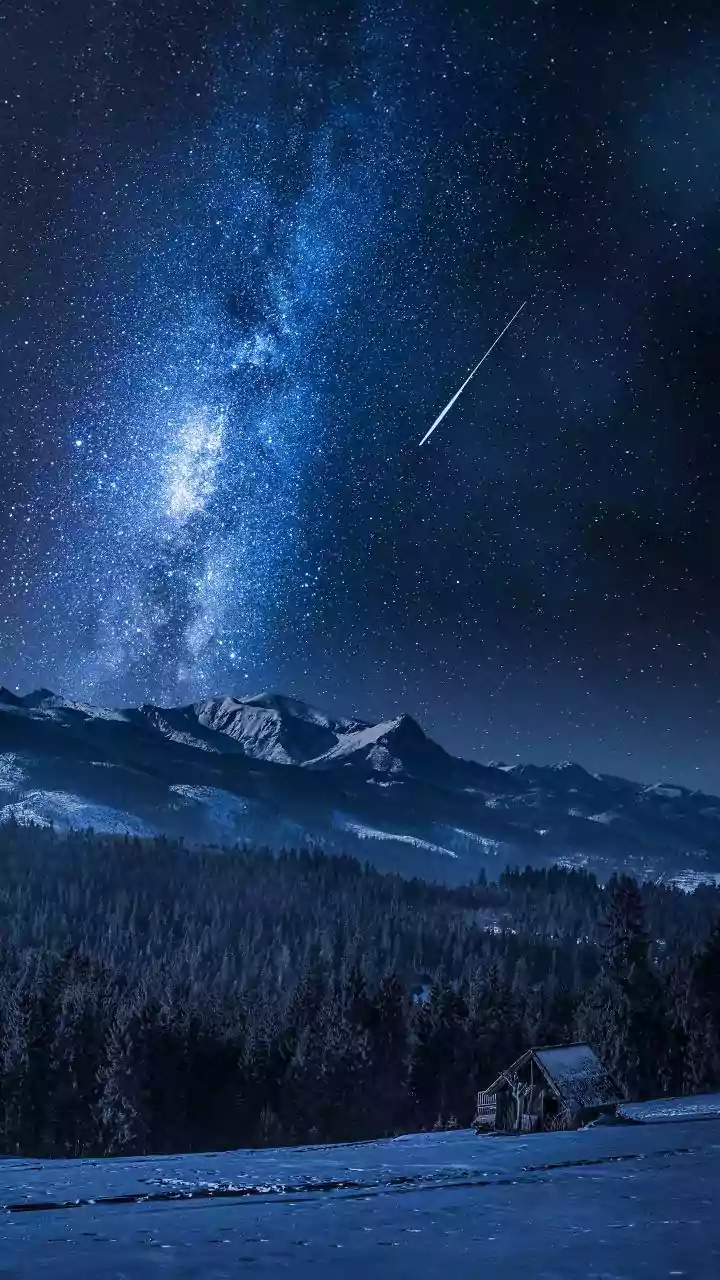
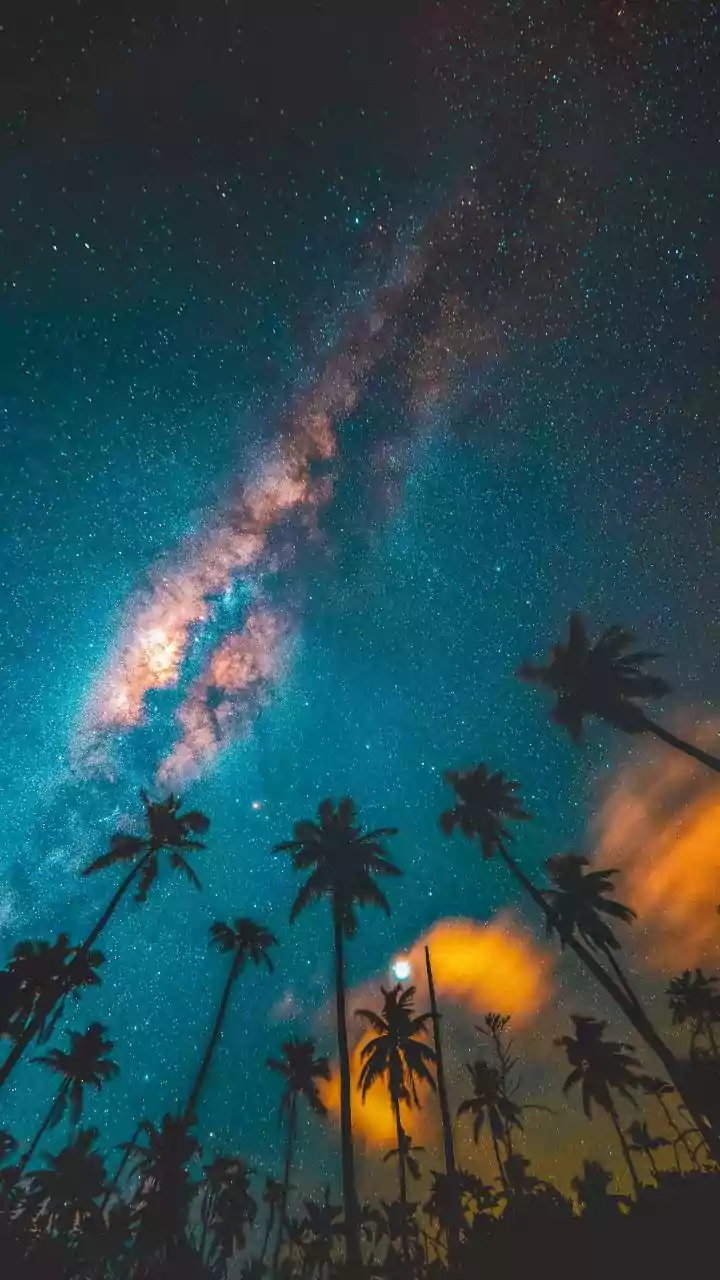
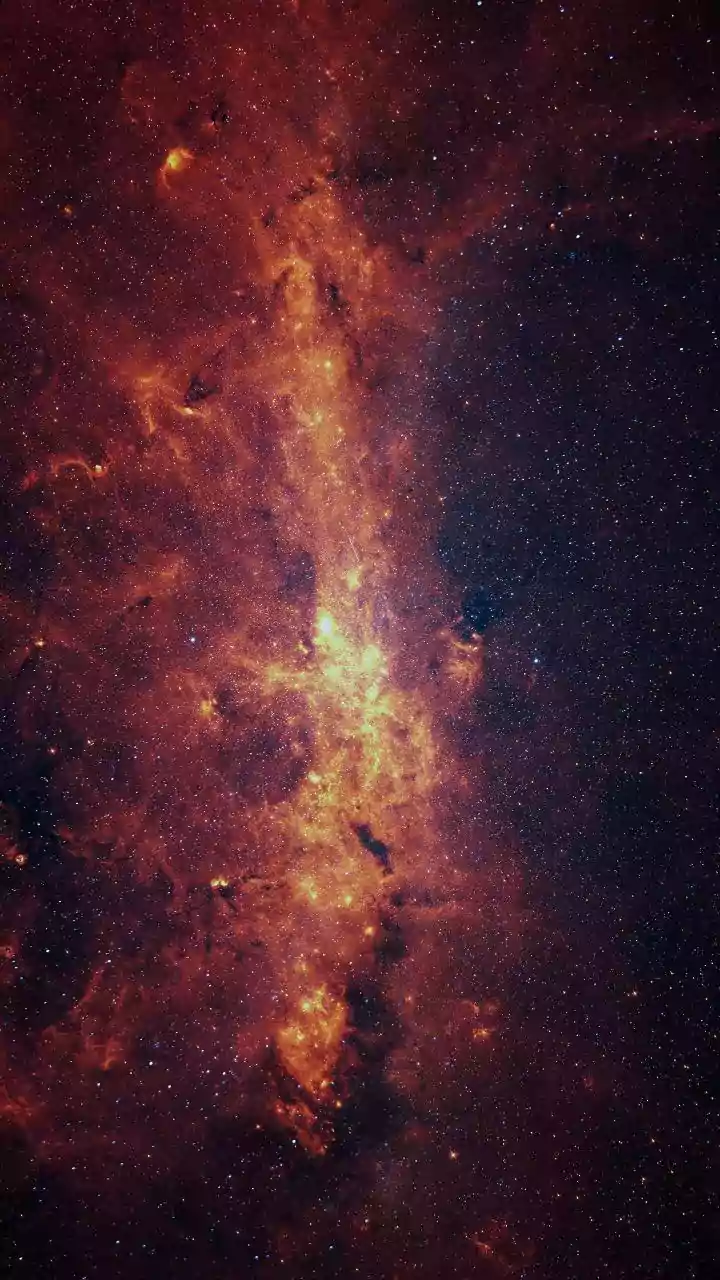
If you can get away from the bright lights of the city, late August still offers a good window to view the majestic Milky Way. This is the last comfortable period of the year to see the galaxy's bright, dense core high in the sky after nightfall. From a truly dark location, it appears as a hazy, luminous cloud stretching overhead. To get this view, you need minimal light pollution. Consider visiting one of India's well-known dark sky locations, such as Hanle in Ladakh, Spiti Valley in Himachal Pradesh, or the Rann of Kutch in Gujarat for an unforgettable experience.
The Global Eclipse to Watch Online
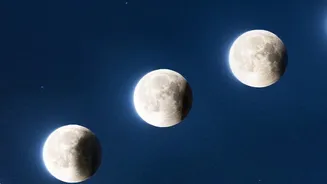
You may have heard about a partial lunar eclipse occurring on August 27-28. During this event, a portion of the Moon will pass through Earth's darkest shadow. However, it's important to note that this eclipse will not be visible from anywhere in India, as the Moon will be below the horizon during the event. The spectacle will be visible across the Americas, Europe, and Africa. For avid skywatchers in India who don't want to miss out, major space agencies like NASA and other astronomy groups will likely provide a live, high-definition stream of the eclipse online, allowing you to witness it virtually.