



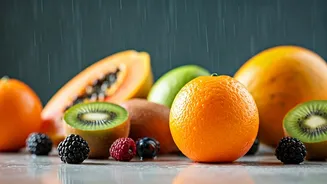


It’s a Workout for Your Gut Microbiome
You’ve heard that fruit has fiber, which is great for keeping things regular. But the story is much more complex and interesting. Fruits are packed with prebiotic fiber—types like pectin and inulin that your digestive system can't break down. Instead,
these fibers travel to your colon, where they become the preferred food for your beneficial gut bacteria. A happy, well-fed microbiome is linked to everything from a stronger immune system to better nutrient absorption and even improved mood. So when you eat a pear or a handful of raspberries, you’re not just feeding yourself; you’re nourishing the trillions of tiny allies living inside you.
It Acts as a Natural Brain Booster
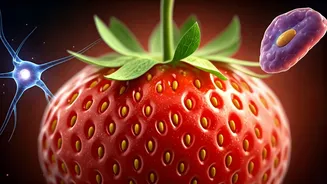
Forget a second cup of coffee. Certain fruits can offer a real boost for your cognitive health. Berries, in particular, are famous for their high concentration of flavonoids, a type of antioxidant that can cross the blood-brain barrier. Studies suggest these compounds help improve communication between brain cells, reduce inflammation in the brain, and enhance plasticity, which helps brain cells form new connections. This can translate to better memory and sharper focus over the long term. Think of that bowl of blueberries not just as a sweet treat, but as a small investment in your brain's future performance.
It’s Your Skin's Secret Ally
Topical creams and serums get all the attention, but what you eat plays a massive role in your skin’s health and appearance. Many fruits are loaded with two key ingredients for a healthy glow: Vitamin C and antioxidants. Vitamin C is essential for producing collagen, the protein that gives your skin its structure and elasticity. Without enough of it, skin can lose its firmness. Meanwhile, the antioxidants found in colorful fruits like pomegranates, citrus, and kiwis help protect your skin cells from damage caused by UV rays and environmental pollutants. This internal defense system helps slow down the visible signs of aging from the inside out.
It Can Help Regulate Hydration
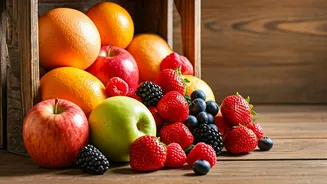
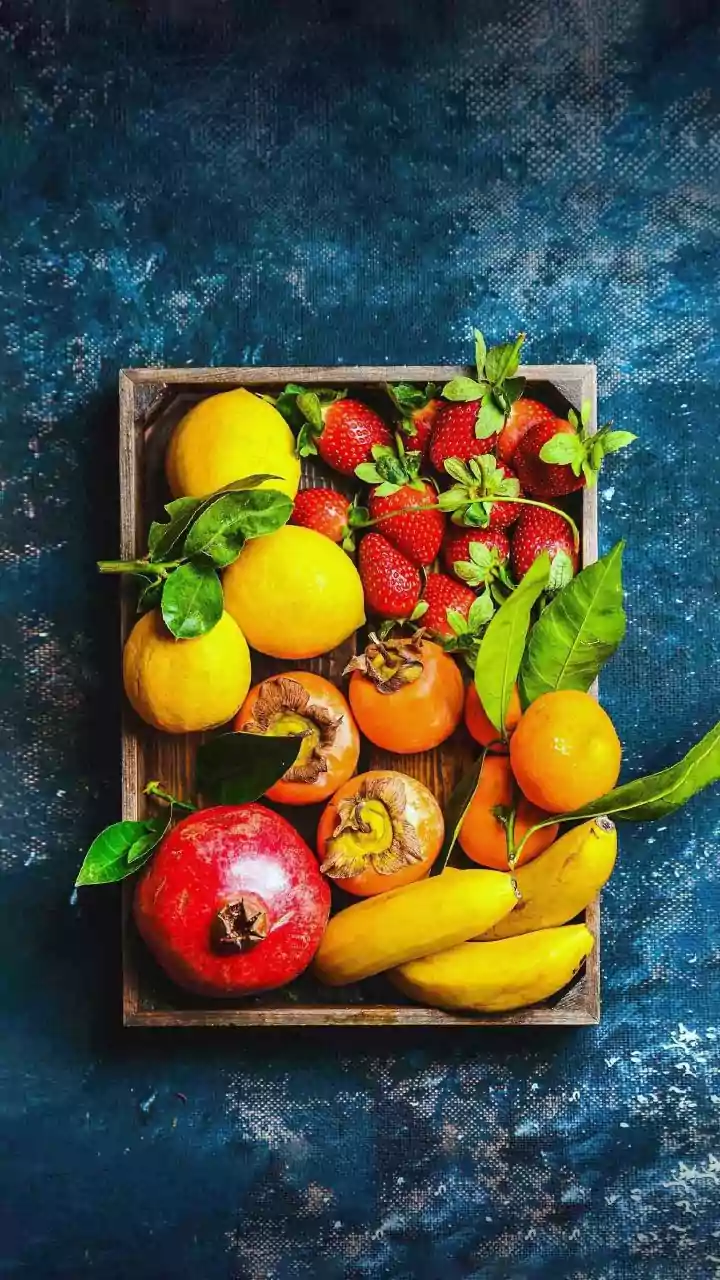
Sure, you should drink plenty of water, but you can also *eat* your water. Fruits like watermelon, cantaloupe, strawberries, and oranges are over 80% water. Including them in your diet is a delicious way to contribute to your daily hydration goals, which is crucial for energy levels, skin health, and overall bodily function. Furthermore, these fruits contain electrolytes like potassium, which plays a vital role in balancing fluids in the body. A banana or a slice of melon after a workout doesn't just replenish energy; it helps restore the electrolyte balance you lost through sweat.
It Fine-Tunes Your Immune Response
When you think of fruit and immunity, you probably think of oranges and Vitamin C. That’s definitely part of the picture, but it’s not the whole story. A healthy immune system relies on a wide array of micronutrients working together. The diverse phytonutrients, vitamins (like Vitamin A), and minerals found across the fruit spectrum all play a part. For example, the quercetin in apples and the beta-carotene in mangoes and apricots have been shown to have anti-inflammatory and immune-supporting properties. Eating a variety of different colored fruits ensures your immune system gets the broad range of tools it needs to function at its best, rather than just relying on a single nutrient.