





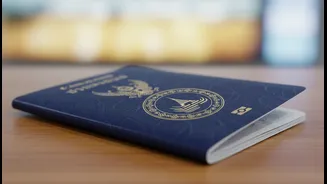

The Key Change: 30 Days, No Visa
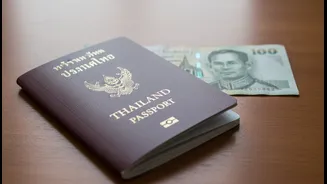
In a significant policy update this week, the Thai government confirmed it will continue to offer visa-free entry to a host of countries, solidifying a policy that has been crucial for its tourism recovery. For travellers from India, this means the visa-free scheme
is here to stay. However, there is a notable adjustment: the maximum stay period under this exemption has been standardized to 30 days. Previously, Indian tourists were permitted a 60-day visa-exempt stay. This move is part of a broader government effort to streamline visa rules under a “one country, one entitlement” principle, while also addressing concerns about the misuse of longer-stay permissions. The change brings India in line with a list of 59 countries and territories that now enjoy a 30-day visa-free privilege.
Why the Reversal on Tighter Rules?
The decision follows a period of uncertainty. In May, the Thai cabinet had approved a proposal to reduce the number of visa-exempt countries from 93 to just 54, a move which would have ended the facility for Indian visitors. According to Thailand’s Tourism Minister, Surasak Phancharoenworakul, that announcement created confusion and led to a tangible drop in arrivals and bookings from the Indian market. Recognizing the immediate impact, the government has reversed course. India is currently the third-largest source of tourists for Thailand in 2026, trailing only China and Malaysia, making it a market of immense importance. The government decided that maintaining easy access was essential to support the industry.
The Economic Engine of Tourism
The focus on keeping tourist numbers high is rooted in simple economics. Tourism is a primary driver of the Thai economy. In 2025, the industry generated nearly USD 50 billion from 33 million visitors. For 2026, the government has ambitious targets, aiming for as many as 40 million visitors and 3 trillion baht in revenue. While year-to-date numbers show a slight lag behind previous years, the revenue generated remains substantial, with foreign tourists contributing over 782 billion baht in the first half of the year. Officials see policies like the visa-free scheme as a vital tool to close this gap and hit their year-end goals.
What This Means for Indian Travellers
For the vast majority of Indian tourists, this is good news. The process remains simple: you can enter Thailand without applying for a visa beforehand. The new 30-day limit is more than sufficient for most holiday plans, as the average Indian tourist stays for approximately seven days, according to government data. The change primarily affects those who might have planned for longer-term stays of over a month. For anyone wishing to stay beyond 30 days, Thailand continues to offer various other options, such as applying for a 60-day tourist visa (TR) from a Thai embassy before travelling. This policy clarification removes the recent uncertainty and allows for confident travel planning.
A 'Value Over Volume' Strategy
While the visa waiver is designed to boost visitor numbers, it is part of a larger, more nuanced strategy. The Thai government and Tourism Authority of Thailand (TAT) have spoken about shifting focus towards “Value over Volume”. This means they are not just counting heads but are actively working to attract “quality tourists” who stay longer and spend more. The visa policy revamp is also intended to enhance national security and prevent misuse of tourist visas for illegal work or other activities. By standardizing the 30-day period, authorities hope to strike a balance between encouraging genuine tourism and maintaining better control over immigration. It signals a move towards a more sustainable and secure tourism framework for the future.