







Software & AI: The Digital Backbone
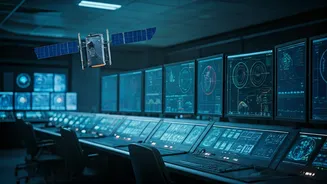
The modern space race is run on code. While rockets capture the imagination, the real work happens in software development, AI, and machine learning. These roles are critical for everything from designing mission control software and automating launch
sequences to managing satellite constellations and ensuring secure communications. Companies need developers to build the ground systems that track and command spacecraft. They need AI specialists to create algorithms that can pilot autonomous rovers or process vast amounts of data in real-time. If you have skills in Python, C++, cloud computing, or cybersecurity, you are already equipped for a career in the 'NewSpace' sector. The demand is for people who can solve complex logistical problems and build robust, fail-safe systems, making software one of the most accessible entry points into the industry.
Aerospace & Propulsion: The Rocket Builders
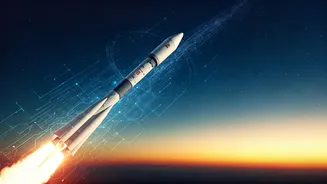
This is the classic dream job for many space enthusiasts. Aerospace engineers are the architects of the cosmos, responsible for designing, building, and testing the launch vehicles and satellites that make space exploration possible. In India, private companies like Skyroot Aerospace and Agnikul Cosmos are developing their own rockets, creating a massive demand for talent in propulsion, structural design, aerodynamics, and materials science. These roles involve using advanced computer-aided design (CAD) software, running complex simulations, and conducting rigorous testing to ensure every component can withstand the extreme conditions of a launch and the vacuum of space. A degree in mechanical, aerospace, or aeronautical engineering is the traditional path, but a deep passion for physics and a hands-on approach to problem-solving are just as crucial.
Data Science: The Downstream Goldmine
Launching a satellite is only half the battle. The real value often lies in the data it sends back to Earth. This is where data scientists and analysts come in. Companies like Pixxel are building constellations of hyperspectral imaging satellites that generate petabytes of information about our planet. This data needs to be cleaned, analysed, and transformed into actionable insights for various industries, including agriculture (monitoring crop health), climate change (tracking deforestation), and urban planning (managing resources). A career in space-based data analytics requires a strong foundation in statistics, programming, and data visualisation. It’s a field where you can work on solving Earth’s biggest problems using information gathered from orbit, making it a highly impactful and rapidly growing career path.
Electronics & Avionics: The Brains of the Operation
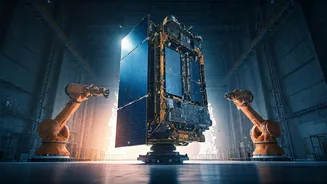
Every rocket and satellite has a complex nervous system made of electronics, and avionics engineers are its neurologists. They design and build the guidance, navigation, and control (GNC) systems that steer a rocket on its precise trajectory. They create the communication systems that send and receive signals across vast distances and the power systems that keep a satellite operational for years. This field is a blend of electrical engineering, computer science, and embedded systems design. Professionals work on everything from tiny circuit boards to complex sensor integrations, ensuring that all the electronic components can survive the intense vibrations of launch and the radiation of space. As spacecraft become more sophisticated, the demand for skilled avionics and electronics experts continues to soar.
Beyond Engineering: The Support Ecosystem
A thriving space industry needs more than just scientists and engineers. As the sector commercialises, it is creating a host of opportunities in non-technical fields. Space law is becoming a critical area, as lawyers are needed to navigate international treaties, intellectual property rights, and launch liabilities. Business development and sales professionals are required to find customers for launch services and satellite data. Marketers and communicators are essential for building brand awareness and telling the story of these ambitious startups to the public and investors. Finance experts are needed to manage funding rounds and long-term financial planning. This support ecosystem is vital for turning brilliant engineering into a sustainable business, opening the door for professionals from diverse academic backgrounds to join the space journey.