

Croatia’s sun-drenched coast is the stuff of travel dreams. But the summer reality in its most famous locations can be a nightmare of crowds and high prices. Before you book, let’s talk about which spots are buckling under the pressure.
The Double-Edged Sword of Fame
Croatia has become
one of the Mediterranean's leading destinations, with tourist numbers growing year after year. This boom, fueled in part by its starring role in shows like 'Game of Thrones', has brought prosperity but also significant challenges. The most iconic locations—Dubrovnik, Split, Hvar, and Plitvice Lakes—are popular for a reason, but visiting during the peak months of July and August can mean navigating a sea of selfie sticks instead of savouring the historic charm. The congestion in these hotspots has become so intense that many seasoned travellers and even locals now consider them 'overrated' during the high season, suggesting that the experience often doesn't match the expectation of a relaxing holiday.
Dubrovnik: The King's Landing Crush
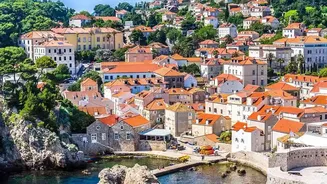
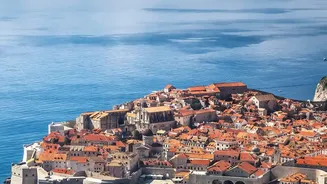
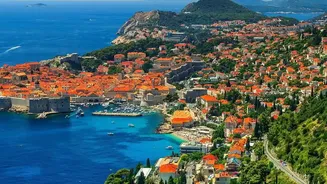
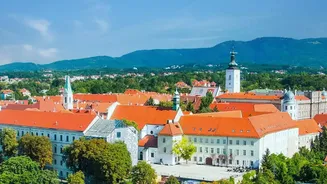
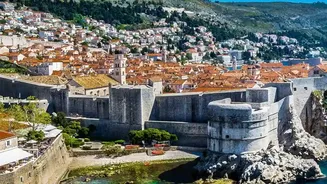
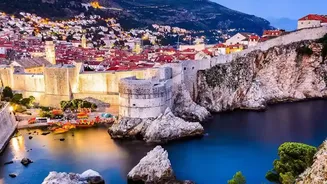
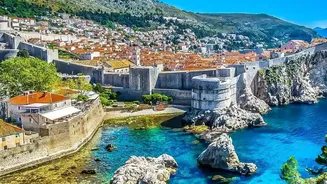
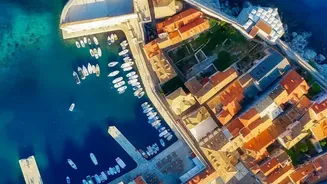
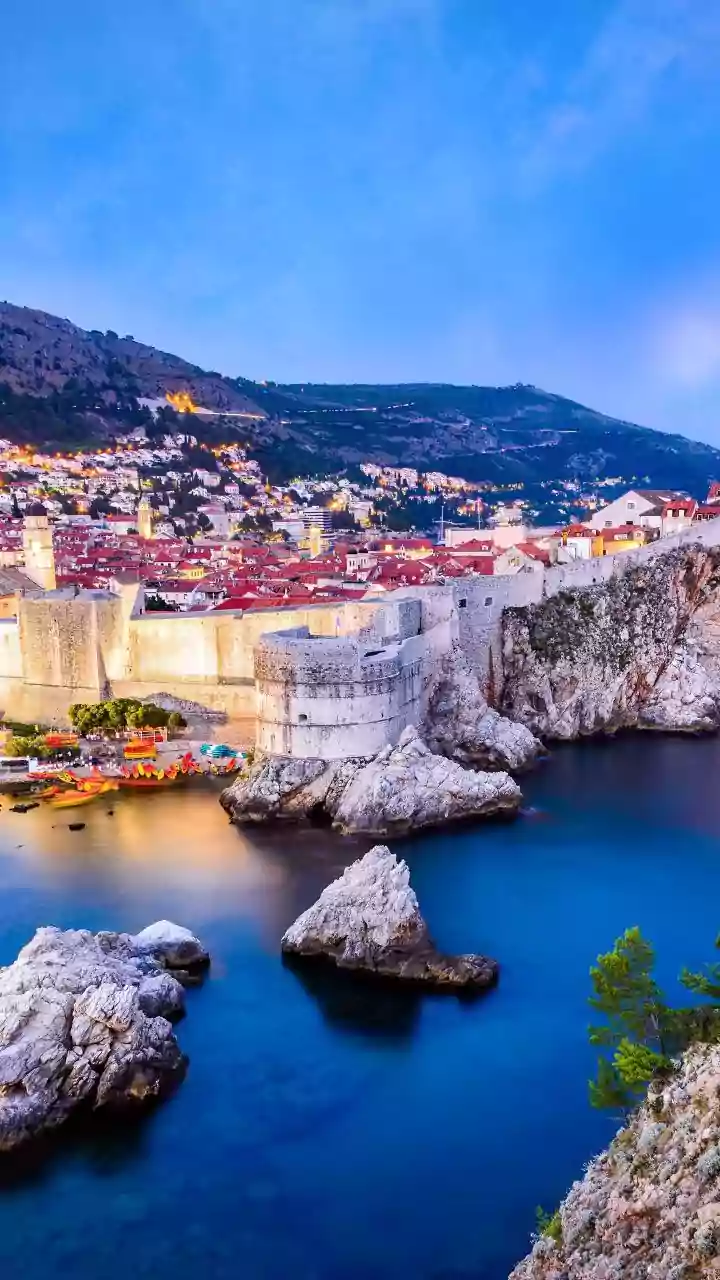
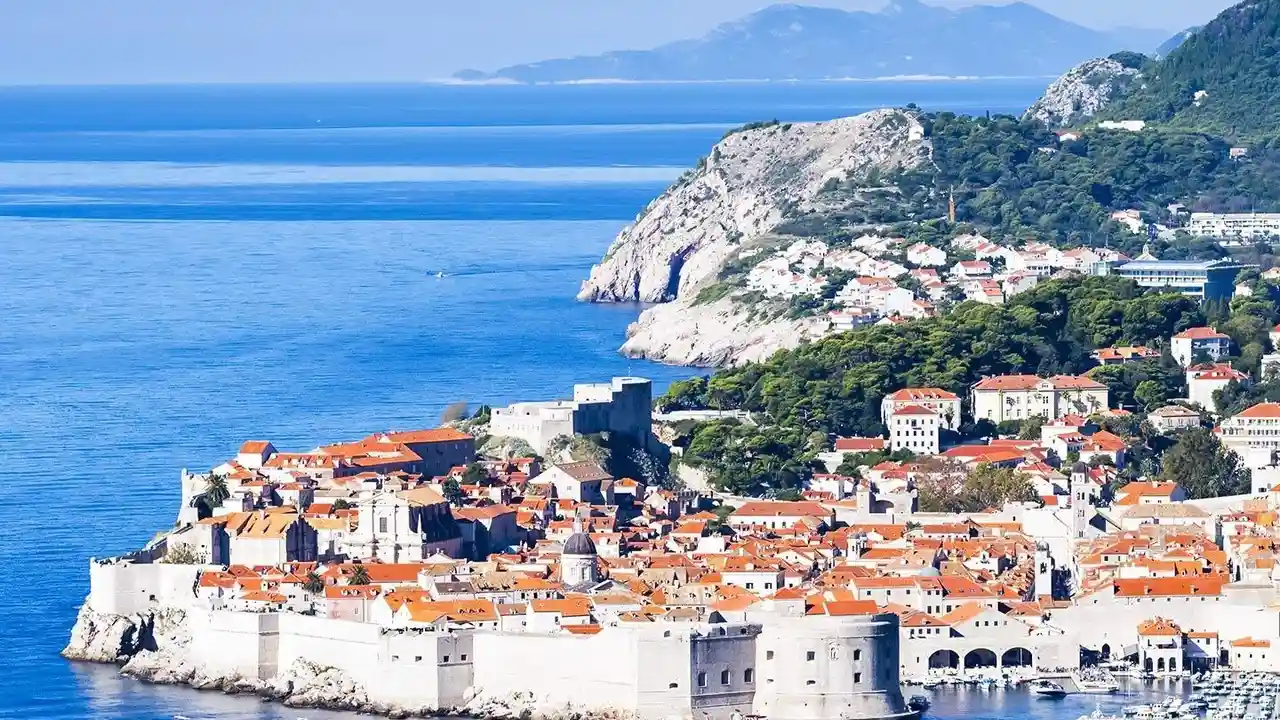
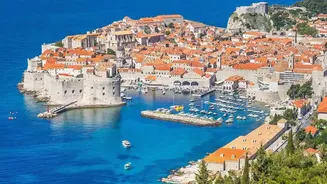
Dubrovnik's Old Town, with its magnificent medieval walls, is breathtaking. Unfortunately, it's also ground zero for overtourism. Cruise ships deposit thousands of visitors at once, turning the main street, the Stradun, into a bottleneck of tour groups. The 'Game of Thrones' effect has been immense, with some studies attributing up to half of the annual tourism growth to the show. This has led to extreme crowding and a loss of authenticity, with UNESCO even threatening to revoke its World Heritage status over the issue. For a similar historic vibe without the 'Disney-level crowds', consider Šibenik. It has its own UNESCO-listed cathedral, medieval lanes, and waterfront forts, offering a more relaxed city break. Another excellent alternative is the nearby town of Cavtat, a quieter coastal gem just a short journey away.
Plitvice Lakes: A Postcard Bottleneck
The cascading turquoise lakes of Plitvice National Park are undeniably beautiful, but visiting in summer can feel like waiting in line at an amusement park. The narrow wooden boardwalks that snake across the water become incredibly congested, making it difficult to enjoy the natural splendour peacefully. The park has had to introduce timed entry slots and daily visitor caps to manage the nearly 1.5 million people who visit annually. Plus, peak season entry fees can be steep. For a different but still stunning water-world experience, the Kornati Islands National Park offers a seascape of 89 uninhabited islands, perfect for a sailing day trip. Alternatively, the inland village of Rastoke offers charming waterfalls and wooden mills with a fraction of the crowds.
Hvar Town: The Overpriced Party
Hvar has a reputation as a glamorous party island, but this comes at a steep price. In the peak summer months, Hvar Town is notorious for exorbitant prices on everything from drinks to accommodation. While its nightlife is a draw for a specific crowd, many visitors find it overhyped and the atmosphere less of a wild party and more of a crowded, expensive scene. The island itself is beautiful, but the town can feel overwhelming. For a more authentic and tranquil island experience, consider Vis. As a former military base closed to foreigners until 1989, it remains beautifully undeveloped and peaceful. The island of Lastovo, even more remote, offers serene nature and a genuine escape from the tourist trail.
Split: Congestion at the Palace
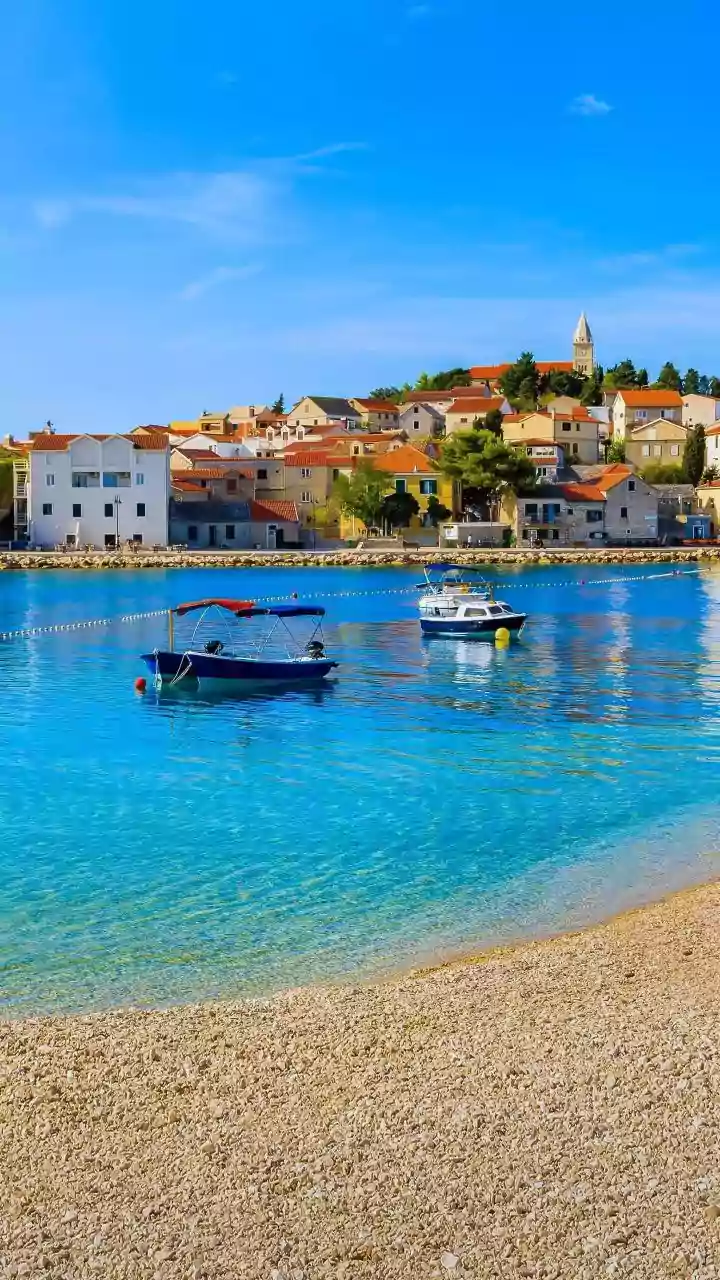
Split is a vibrant city built around the sprawling Diocletian's Palace, a UNESCO World Heritage site. However, the narrow alleyways of this ancient complex become extremely congested, especially when multiple cruise ships are in port. While a must-see, navigating the core of the palace during midday can be a frustrating experience. For a breather, you can explore the quieter parts of the city, like the green oasis of Marjan Hill, or take a day trip to smaller, nearby towns. Primošten is a picturesque town on a small peninsula that offers a lively atmosphere without the overwhelming crowds of Split. Zadar also provides a great alternative with a beautiful old town, the unique Sea Organ, and a less frantic pace than its more famous southern neighbour.