





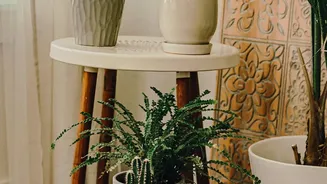
The Architectural Wonder: The Snake Plant
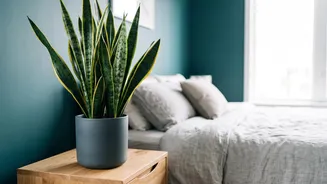
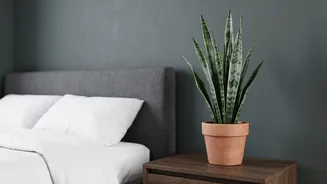
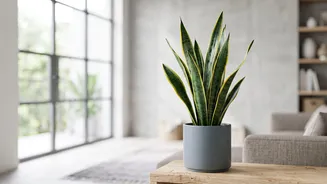
The Snake Plant, also known as Sansevieria or Mother-in-Law's Tongue, is a masterpiece of natural design. Its stiff, upright leaves provide a strong vertical element that complements minimalist furniture and clean aesthetics. It’s more like a living sculpture
than a fussy plant. What makes it especially perfect for the bedroom is its unique ability to release oxygen at night, unlike most other plants that do so during the day. This can contribute to a fresher atmosphere while you sleep. It’s also hailed for its air-purifying qualities, with research from NASA showing it can help filter common household toxins from the air. While you'd need a jungle to completely purify a room, its contribution adds to a healthier home environment.
How to Care for Your Snake Plant
The beauty of the Snake Plant lies in its resilience; it's famously hard to kill. It thrives on neglect, making it ideal for busy individuals or first-time plant owners. For lighting, it's incredibly adaptable, tolerating low light conditions even though it prefers bright, indirect sunlight. The biggest mistake is overwatering. As a succulent, it stores water in its leaves, so you should allow the soil to dry out completely between waterings. This often means watering just once every two to four weeks, and even less in the winter. It requires no special humidity and a basic, well-draining soil mix is all it needs to flourish.
The Elegant Communicator: The Peace Lily
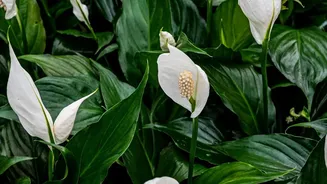
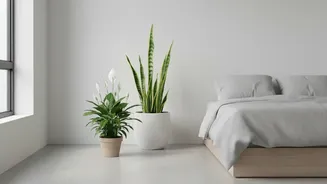
Where the Snake Plant is stark and architectural, the Peace Lily (Spathiphyllum) offers soft elegance. Its glossy, dark green leaves arch gracefully, and it produces beautiful white spathes that are often mistaken for flowers. These white 'blooms' bring a touch of serene sophistication to a room. The Peace Lily is also a powerful air purifier, noted in the same NASA study for its ability to remove several toxins from the air. Beyond its looks, it's an excellent communicator. If it needs water, its leaves will dramatically droop, giving you a clear visual cue and removing any guesswork. A quick drink and it perks right back up.
How to Care for Your Peace Lily
Peace Lilies are also wonderfully low-maintenance. They prefer medium to low indirect light and can even thrive in shadier spots, though brighter indirect light encourages more blooming. Avoid direct sun, which can scorch their leaves. They like consistently moist soil but are prone to root rot if left sitting in water. A good rule of thumb is to water when the top inch of soil feels dry. As a tropical native, the Peace Lily also appreciates higher humidity, making it a great plant for a bedroom, as it releases moisture into the air. This can be especially beneficial in dry climates or air-conditioned rooms.
A Match Made for Minimalist Serenity
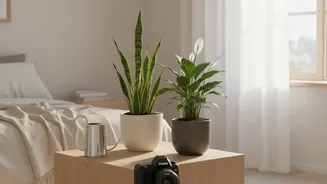
In a minimalist bedroom, every object should serve a purpose or bring joy. The Snake Plant and Peace Lily do both. Aesthetically, their distinct forms—one sharp and modern, the other soft and elegant—provide visual interest without creating clutter. Functionally, their low-maintenance nature aligns perfectly with the minimalist ethos of a simplified, stress-free life. You get the mental and physical benefits of having plants—calmness, a connection to nature, and improved air quality—without adding a demanding chore to your routine. They don’t just occupy space; they enhance the tranquility that a minimal bedroom is designed to create.