



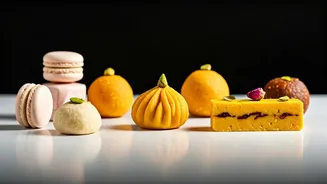


A Sweet Renaissance
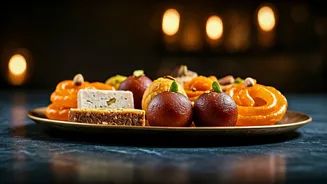
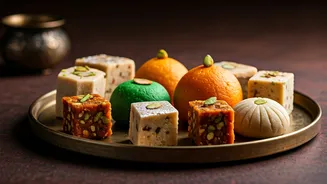
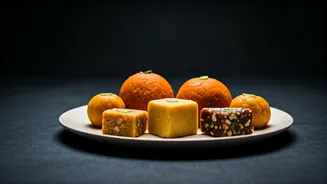
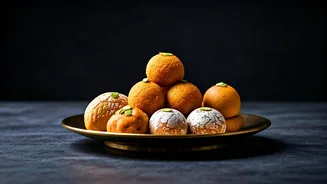
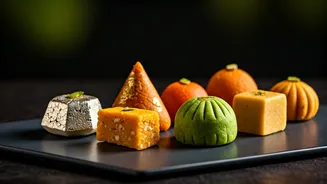
For generations, mithai has been an unchanging cornerstone of Indian celebrations, a symbol of joy wrapped in silver varq. But look closer, and you'll see a quiet, delicious revolution unfolding. Neighbourhood sweet shops, once the undisputed purveyors
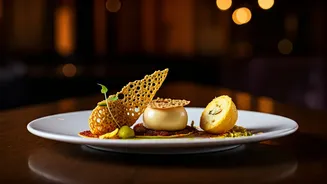
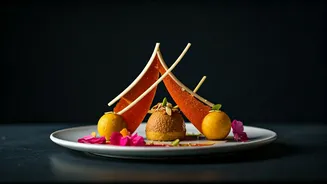
of ladoos and barfis, are now joined by a new class of gourmet mithai brands. These culinary innovators are transforming traditional sweets into sophisticated confections that speak to a modern palate. They are not erasing the past but elevating it, creating a fascinating hybrid where the warmth of ghee meets the precision of a French pastry kitchen. This trend is driven by two powerful forces: a deep-seated nostalgia for authentic flavours and a growing appreciation for polished, high-quality craftsmanship.
The Comfort of a Familiar Bite
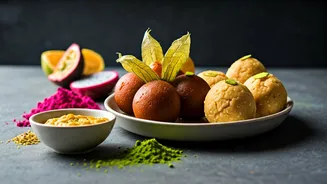
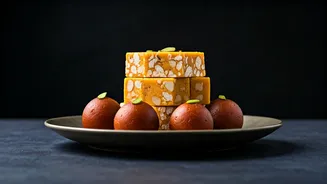
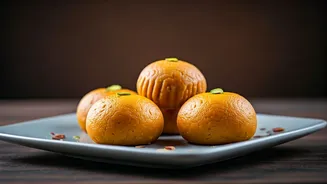
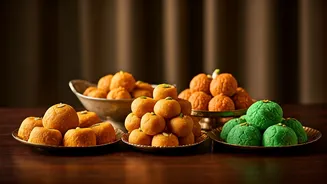
At the heart of this trend is a powerful sense of nostalgia. For many, the taste of a motichoor ladoo or a perfectly syrupy gulab jamun is a direct line to cherished family memories. Today’s pioneering chefs and brands are tapping into this emotion, not by reinventing the wheel, but by reviving and refining what is already loved. They are digging into regional specialities, sourcing high-quality local ingredients, and bringing back forgotten recipes. Brands like Khoya Mithai focus on recreating traditional recipes without shortcuts, bringing back classics like Bal Mithai from the Kumaon region while ensuring they use pure, organic ingredients. This commitment to authenticity ensures that even as the presentation evolves, the soul of the sweet—the flavour that sparks a memory—remains untouched.
The Polish of a Modern Technique
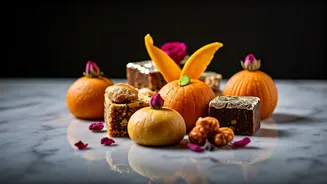
The 'polish' in this new mithai movement comes from the adoption of global techniques and a focus on premium ingredients. Chefs are applying the meticulous standards of French patisserie to Indian sweets, resulting in confections that are lighter, more balanced, and visually stunning. This includes everything from using single-origin chocolates and artisanal jaggery to creating complex textures like mousses and ganaches. For example, you might find Gajar Halwa presented as bite-sized truffles coated in dark chocolate or a Payasam-inspired panna cotta. Brands like Bombay Sweet Shop have become famous for their inventive creations, such as layering peppery caramel and coconut fluff into a bar with traditional soan papdi, or reimagining rasgulla in a tiramisu. It’s about creating a product that is both an everyday indulgence and a luxury gift.
Beyond the Festive Season
This evolution is also changing when and how we eat mithai. For too long, Indian sweets were relegated to festivals and special occasions. Now, these modern mithai brands are positioning their creations as year-round indulgences, perfect for daily snacking or as a sophisticated dessert. This shift is supported by a growing consumer demand for healthier options. Many brands offer low-sugar, sugar-free, vegan, and gluten-free versions of their sweets, using natural sweeteners like dates, jaggery, or stevia. This makes modern mithai accessible to a wider, more health-conscious audience who want to enjoy a treat without compromising their dietary choices. The elegant, Instagram-worthy packaging has also transformed mithai into a premium gifting option, rivaling fine chocolates and other gourmet products.