


The Monsoon Magnifier Effect
The primary reason for increased risk during the monsoon is the weather itself. High humidity and moisture in the air create the perfect breeding ground for bacteria, viruses, and moulds. Microorganisms that cause foodborne illnesses, like E. coli and Salmonella,
thrive and multiply rapidly in these damp conditions. This means that food, especially food left out in the open, can become contaminated much faster than during drier seasons. The rainy season creates an environment where germs can flourish, turning a seemingly fresh snack into a significant health risk.
The Triple Threat of Contamination
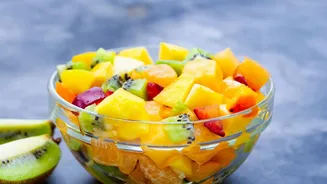
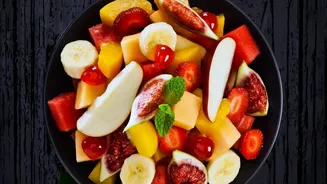
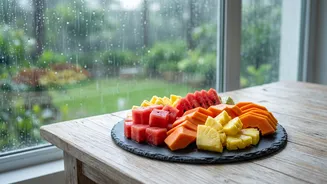
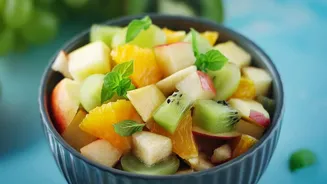
For cut fruit, the danger comes from three main sources. Firstly, the water used to wash the fruit or rinse the cutting utensils is often a major culprit. During monsoon, groundwater and tap water supplies are more susceptible to contamination from sewage overflow, bringing pathogens like the bacteria that cause cholera and typhoid. Secondly, the tools themselves—the knife, the cutting board, and the vendor's hands—can transfer germs onto the fruit. Thirdly, once fruit is cut, its protective peel is removed, and the exposed, moist flesh is vulnerable to airborne bacteria and pollutants, as well as flies that carry germs.
Common Illnesses and Their Symptoms
Consuming contaminated fruit can lead to a host of gastrointestinal infections. Common water-borne diseases that see a spike during the monsoon include typhoid, cholera, gastroenteritis, and Hepatitis A. Symptoms often include diarrhoea, vomiting, stomach cramps, nausea, and fever. While many cases are mild, some, like cholera, can cause severe dehydration and require immediate medical attention. Typhoid fever presents with a prolonged high fever, fatigue, and stomach pain. These illnesses are directly linked to the ingestion of food or water contaminated with specific bacteria or viruses.
Why Whole Fruit Is a Safer Bet
The simple act of cutting a fruit dramatically increases its risk profile. A whole fruit's skin acts as a natural barrier against contamination. Once that barrier is breached, the fruit's nutrients and moisture become an ideal environment for microbial growth. Street vendors often cut fruits hours in advance, leaving them exposed for long periods. A far safer alternative is to buy whole fruits. You can then take them home, wash them thoroughly under clean, running water, and cut them yourself just before eating. This simple practice significantly reduces your exposure to potential pathogens.
Making Smarter Choices on the Street
If you still choose to buy from a street vendor, there are ways to lower your risk. Prioritise vendors who maintain high standards of hygiene. Observe their practices: Are they using gloves? Is the cart clean and covered? Do they have a system for waste disposal? It is always safer to opt for fruits that you can peel yourself, like bananas and oranges, or those that are peeled and cut in front of you. Avoid fruits that have been sitting out for a long time. Whenever possible, choose freshly cooked hot foods, as the high temperature kills most harmful bacteria. Ultimately, being a vigilant consumer is your best defence.