





Why Yoga Helps
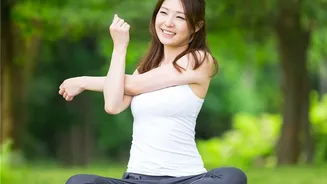
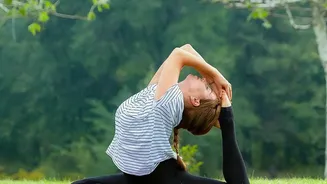
Yoga is more than just exercise; it is a practice that connects the mind and body. This combination of physical poses, controlled breathing, and mindfulness helps calm the nervous system. Studies and experts suggest that even a short, consistent yoga
practice can help reduce the stress hormone cortisol, improve blood circulation to the brain, and release physical tension, all of which are common during intense study periods. This can lead to better focus, improved memory, and a greater sense of calm, equipping you to handle academic pressures more effectively. The goal isn't to become a yoga master overnight, but to use these simple movements as a toolkit to feel better.
1. Cat-Cow Pose (Marjaryasana-Bitilasana)
This gentle, flowing movement is perfect for waking up a stiff spine after hours of sitting. Start on your hands and knees in a tabletop position, with your wrists under your shoulders and your knees under your hips. As you inhale, drop your belly, lift your chest and tailbone, and look up toward the ceiling (Cow Pose). As you exhale, round your spine toward the ceiling, tucking your chin to your chest and pressing the floor away (Cat Pose). Continue flowing between these two poses for five to ten slow breaths. This movement not only increases spinal flexibility but also helps connect your breath to your body, calming the mind.
2. Child's Pose (Balasana)
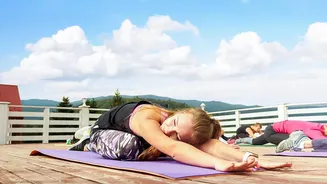
Child's Pose is a resting posture that helps to gently stretch the lower back, hips, and shoulders while calming the nervous system. From your hands and knees, bring your big toes to touch and spread your knees wide. Sit back on your heels and fold forward, resting your torso between your thighs and your forehead on the floor. You can stretch your arms out in front of you or rest them alongside your body. It's a grounding pose that encourages deep, restorative breathing and provides a safe, quiet space to release anxiety and mental fatigue, making it perfect for a quick study break.
3. Tree Pose (Vrksasana)
When your mind feels scattered, a balancing pose like Tree Pose can work wonders for your concentration. Start by standing tall in Mountain Pose. Shift your weight onto your left foot and place the sole of your right foot on your inner left ankle, calf, or thigh—just avoid placing it directly on the knee joint. Bring your hands together in front of your chest. To maintain balance, fix your gaze on a single, unmoving point in front of you. This act of focusing your eyes helps to steady your body and quiet your mind, directly training your ability to concentrate. Hold for five to ten breaths, then switch sides.
4. Seated Forward Bend (Paschimottanasana)
This pose provides a deep stretch for the entire back of the body and has a profoundly calming effect on the mind. Sit on the floor with your legs extended straight out in front of you. As you inhale, sit up tall. As you exhale, hinge at your hips and begin to fold forward over your legs. You can rest your hands on your shins, ankles, or feet, depending on your flexibility. The goal isn't to touch your toes, but to create a long spine and release tension. This forward fold helps soothe the nervous system and can relieve mild stress and anxiety, making it a great way to wind down.
5. Butterfly Pose (Baddha Konasana)
Long hours of sitting can lead to tight hips, and this pose is a simple way to release that tension. Sit on the floor and bring the soles of your feet together, letting your knees drop out to the sides. You can hold onto your ankles or feet. Sit up tall, and if you like, gently flutter your knees up and down like a butterfly's wings. This simple movement helps to open the hips, relax the inner thighs, and encourage a state of calm. It’s a great pose to do while reading a chapter or reviewing notes.