









The Law Sparking the Conversation
The renewed focus on passenger conduct stems from Section 145 of the Railways Act, 1989. This long-standing law gives Indian Railways the power to penalise individuals for causing a 'nuisance' on railway premises, including inside train compartments.
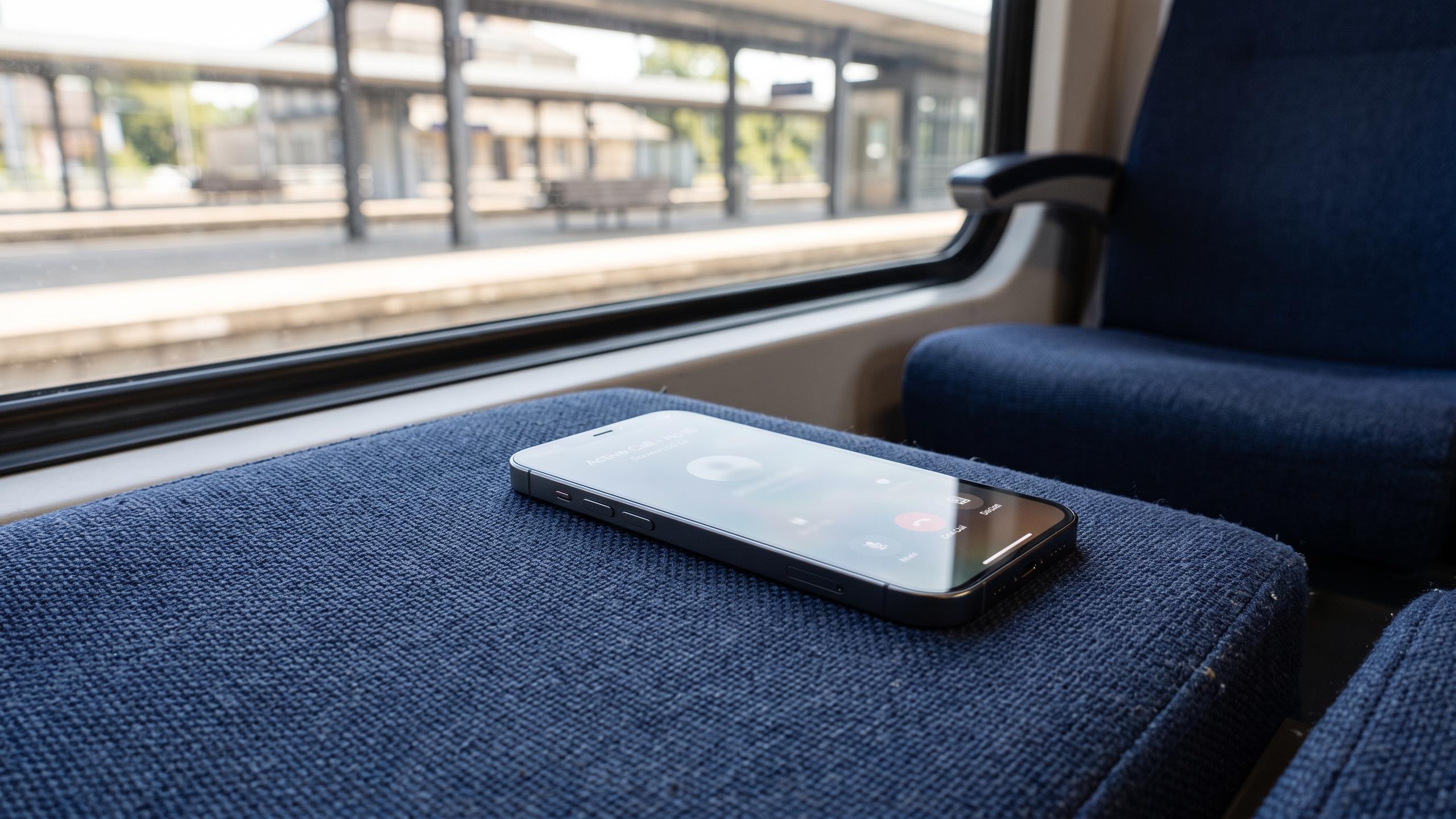
Recently, Southern Railway issued directives to strictly enforce this rule, specifically targeting the now-commonplace issue of passengers playing music or videos on their phone speakers, causing disturbance to others. This move has brought Section 145 and its penalties into the national spotlight, leaving many to interpret it as a new, harsh crackdown.
What 'Nuisance' Actually Means
The term 'nuisance' under the Railways Act is quite specific. It isn't just about minor annoyances. The law officially defines it as behaviour that includes being in a state of intoxication, committing an act of indecency, or using abusive or obscene language. It also covers wilfully interfering with any amenity provided by the railway administration in a way that affects the comfortable travel of any passenger. The recent enforcement drive has clarified that playing loud audio on a mobile phone without earphones falls under this category, as it directly impacts the comfort of fellow travellers.
The Six-Month Jail Term Is a Maximum, Not a Default
The headline-grabbing penalty of six months in jail is the most severe punishment possible under Section 145, not a standard sentence for a first-time offender playing loud music. Legal provisions almost always specify a maximum penalty, giving the judiciary discretion to decide the appropriate punishment based on the severity of the act. For a first offense of causing a nuisance, the penalty is typically a fine, which could be as low as Rs 100, though recent directives mention fines of up to ₹1,000. The offender can also be removed from the train and may have to forfeit their ticket.
When Does the Penalty Escalate?
The possibility of imprisonment comes into play for repeat offenders or in more serious situations. According to the Act, the harsher penalties, including jail time, are considered for a second or subsequent conviction. Furthermore, if a passenger is warned by a railway servant (like a TTE or RPF officer) to stop causing a nuisance and refuses to comply, the situation escalates. It is this persistent defiance that can lead to more stringent consequences, including a potential jail term of up to six months and a higher fine. The process is not arbitrary; it involves a formal complaint and a judicial decision, not an on-the-spot jailing by railway staff.
The Goal Is Courtesy, Not Incarceration
The primary objective of this renewed enforcement is not to fill jails but to restore a basic sense of consideration and courtesy in shared public spaces. Train travel is a communal experience, and the actions of one person can easily affect dozens around them. The Southern Railway directive, for instance, has asked for announcements to be made in multiple languages to educate passengers and encourage the use of earphones. The message is clear: while the law has teeth for serious and persistent violations, its main purpose is to encourage a more peaceful and comfortable journey for everyone. A little civic sense can ensure your journey doesn't end with a fine or a court date.