


Go for Gourds
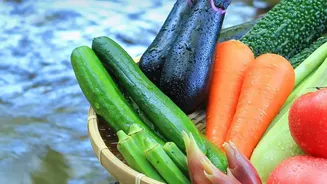
Monsoon is the peak season for a variety of gourds, and they are a cornerstone of the Shravan diet for good reason. Vegetables like bottle gourd (dudhi/lauki), pointed gourd (parwal), and ridge gourd (turai) are incredibly light on the stomach and easy
to digest. This is crucial during a period when the digestive system is considered to be weaker due to the humid climate. Rich in water content, they help you stay hydrated. Their subtle flavours make them perfect for the simple, sattvic style of cooking often adopted during this month, prepared without onion or garlic but seasoned with cumin and green chilli. Pointed gourd, in particular, is lauded for its therapeutic properties, including antioxidants and vitamins that help the body fight common monsoon infections.
Embrace Root Vegetables
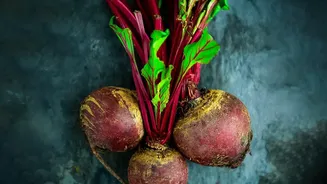
Root vegetables are a source of comfort and sustained energy, especially for those observing fasts. Sweet potato (ratali/shakarkandi) is a Shravan essential, providing complex carbohydrates that keep you full and energised for longer. It’s naturally sweet and versatile enough to be boiled, roasted, or cooked into a simple sabzi. Potatoes and yams (suran) are also widely consumed. They are filling, adaptable for various vrat-friendly dishes, and provide a hearty foundation for meals when grains are avoided. These vegetables are not just for fasting days; their nutritional profile makes them a smart addition to any meal during the monsoon.
Enjoy Monsoon Corn (Bhutta)
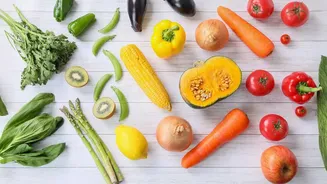
The sight of roasted corn on the cob is synonymous with the Indian monsoon, and it’s a healthy seasonal choice. Corn, or bhutta, is a good source of fibre, which aids gut health—a key concern during a season known for digestive issues. It's also packed with B vitamins and antioxidants. Whether you enjoy it roasted on an open flame with a dash of lime and salt or boiled, corn is a delicious and nutritious snack that perfectly captures the essence of the season. Its availability and affordability during Shravan make it an easy and wise choice for a fulfilling evening snack.
Don’t Forget Fresh Greens
While many leafy vegetables are traditionally avoided during the monsoon due to the higher risk of germs and insects, some specific greens are considered beneficial. Amaranth leaves (cholai or rajgira bhaji) are one such example. Rajgira is also available as a flour and is a popular fasting grain. The leaves themselves are rich in essential nutrients. Spinach (palak), when cleaned thoroughly, is another excellent option, often cooked into a simple dal to create a protein and iron-rich meal. These greens compensate for the lack of other vegetables and provide much-needed vitamins and minerals to boost immunity.
Savour Seasonal Fruits
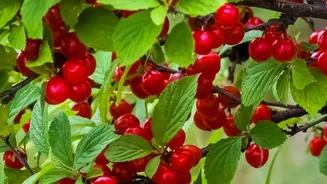
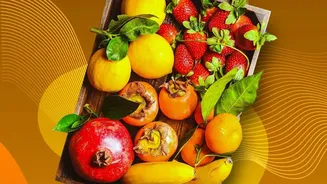
Shravan and the monsoon season bring a wonderful selection of fruits. Jamun (Indian blackberry) is a star of the season, loved for its unique sweet and tart flavour. It's known to be diabetic-friendly and helps improve digestion. Pears (nashpati) also come into season, offering a crisp texture and a healthy dose of fibre. Peaches (aadu) are another delightful option, bursting with flavour and vitamins. Fruits are a vital part of the Shravan diet, providing natural sugars for energy and essential nutrients to keep immunity strong against seasonal illnesses.
The Refreshing Cucumber
Cucumber (kakadi) is another monsoon vegetable that is perfect for Shravan. It is primarily water, making it incredibly hydrating and cooling for the body. It's low in calories and can be eaten raw in salads, made into raita, or juiced. In a month where light and easily digestible foods are preferred, cucumber is an ideal choice. Its peak growing season includes June and July, ensuring it's fresh and crisp when you buy it during Shravan. It fits perfectly into the sattvic diet, offering a refreshing crunch and essential hydration.