





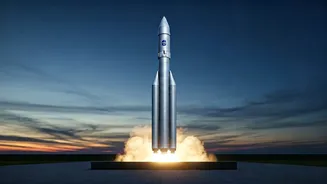


Meet Vikram-1: India's Private Rocket
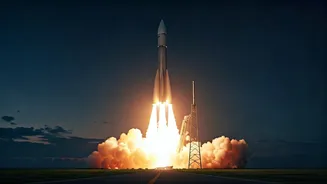
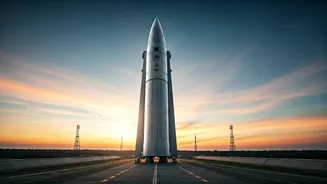
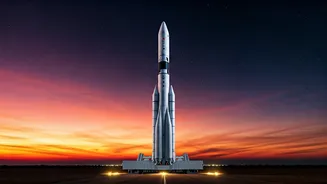
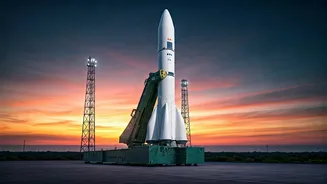
Developed by Hyderabad-based startup Skyroot Aerospace, Vikram-1 is a seven-storey-tall, multi-stage launch vehicle named in honour of Dr. Vikram Sarabhai, the father of India's space program. Designed to carry small satellites weighing up to 350 kg into
Low Earth Orbit, it represents a pivotal moment for commercial spaceflight in the country. The rocket, set for its maiden launch window between July 12 and August 4, 2026, is built with an all-carbon composite structure and features advanced technologies like 3D-printed engines. This first mission, named 'Aagaman' (arrival), is not just about reaching orbit; it's about proving that a private Indian company can build, assemble, and launch a sophisticated orbital-class rocket, a feat that was once the exclusive domain of government agencies.
The Policy Shift Fueling the Launch
Vikram-1's ascent is powered by more than just solid-fuel boosters; it’s propelled by a monumental shift in government policy. In June 2020, India opened its space sector to private companies, a move designed to transform a state-led program into a thriving commercial industry. This led to the creation of the Indian National Space Promotion and Authorisation Centre (IN-SPACe), an autonomous body designed to regulate and facilitate private enterprise in space. IN-SPACe acts as a single-window agency, allowing startups like Skyroot Aerospace to use ISRO's world-class facilities, from testing centres to launchpads, something previously unimaginable. This policy has unlocked immense potential, turning sovereign capability into an investable opportunity and paving the way for hundreds of new space-tech startups to emerge.
A New Galaxy of Job Opportunities
The rise of private players like Skyroot, AgniKul, Dhruva Space, and Pixxel is creating a diverse job market that extends far beyond traditional aerospace engineering. While there is a surging demand for propulsion engineers, avionics specialists, and mission control experts, the ecosystem requires a much broader range of skills. These companies are hiring software engineers to develop flight control systems, data scientists to analyze satellite imagery, and materials scientists to innovate with composites and 3D printing. The supply chain supporting these ventures also needs professionals in manufacturing, logistics, and quality assurance. Furthermore, as the sector matures, non-technical roles are becoming equally crucial. There's a growing need for legal experts in space law, finance professionals to manage venture capital investments, and marketing teams to secure international satellite launch contracts.
What Skills Are in Demand?
For those aspiring to join this burgeoning industry, the focus is on a blend of foundational and cutting-edge skills. A strong background in engineering (aerospace, mechanical, electrical, computer science), physics, or mathematics remains fundamental. However, specialization is key. Expertise in areas like radio frequency (RF) engineering, robotics, cryogenics, and guidance, navigation, and control (GNC) systems is highly sought after. On the software front, proficiency in AI and machine learning for analyzing vast datasets from Earth observation satellites is a significant advantage. The industry also values practical experience. Many startups are collaborating with universities to offer specialized programs, internships, and research opportunities to build a skilled talent pipeline ready for the challenges of this new frontier.