


Start With Your Daily Routine
Before moving a single piece of furniture, think about your daily movements. Where do you drop your keys and phone? Where do you get ready in the morning? A successful layout supports these natural paths. The goal is to create 'zones' for different activities—sleeping,
dressing, and winding down. By arranging furniture based on how you actually use the space, you reduce friction and keep things organised. Before you buy anything, take stock of what you own and declutter items that don’t belong in the bedroom or that you no longer use. This ensures you are creating a home for things you actually need and love.
The Bedside Command Centre
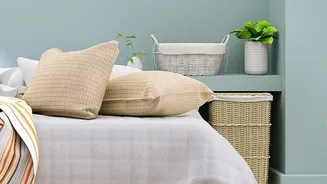
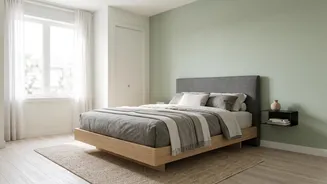
The area next to your bed is prime real estate. If your room is too tight for traditional nightstands, consider alternatives. A slim, tall bookshelf takes up minimal floor space but offers vertical storage for books, your tablet, and a lamp. Wall-mounted floating shelves or even a single floating nightstand can keep essentials like your phone, a glass of water, and medication handy without cluttering the floor. Some headboards even come with built-in shelving, eliminating the need for separate tables altogether. The key is to ensure these surfaces are at a comfortable height relative to your mattress.
Think Vertically to Maximize Space
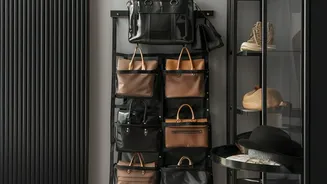
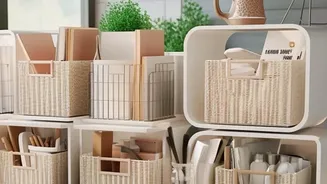
In a small room, your walls are your best asset. Instead of wide, short furniture that eats up precious floor space, choose tall and narrow pieces. A tallboy dresser offers the same amount of storage as a wider one but with a smaller footprint. Use wall-mounted shelves or modular cube units to store books, display items, or hold baskets for smaller accessories. You can install shelves above your dresser or even create a 'bridge' shelf over the bed to hold items you don't need every second. Don't forget the back of your door; an over-the-door organiser with pockets is perfect for shoes, scarves, or grooming products.
Choose Furniture That Works Harder
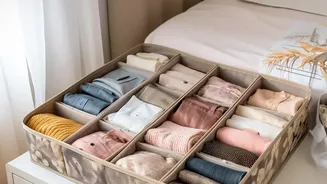
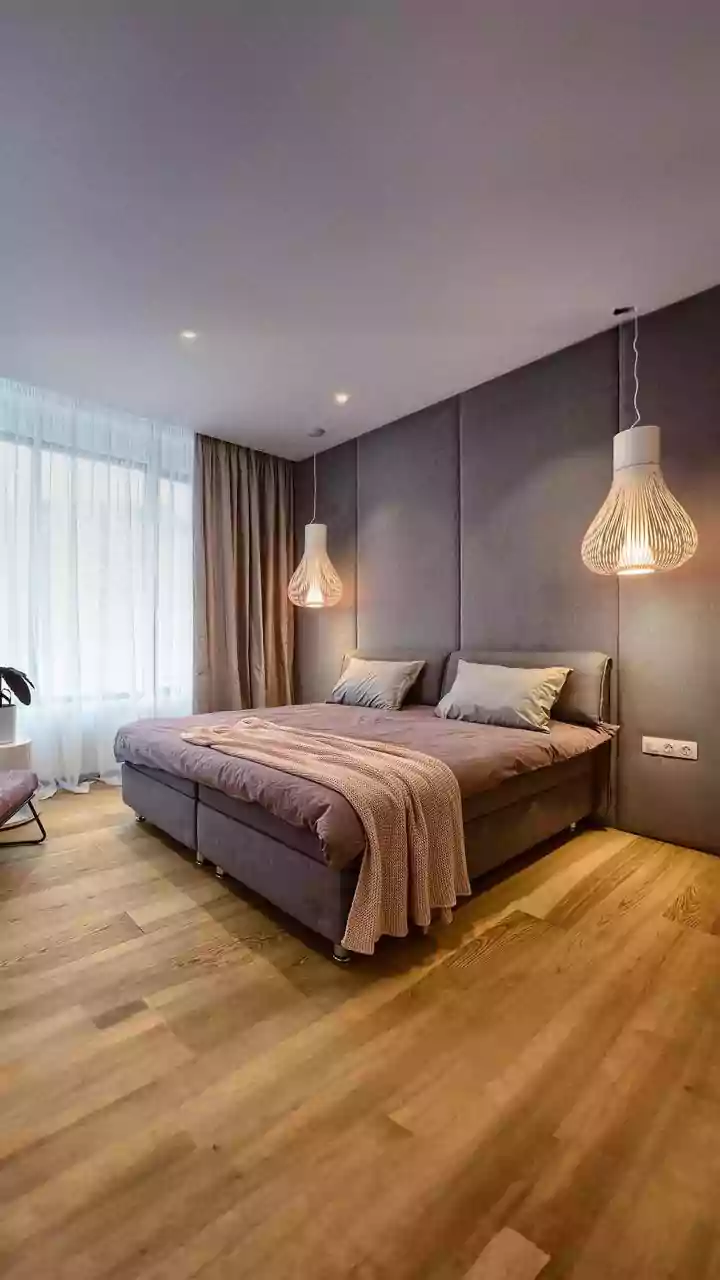
Every piece of furniture in a small bedroom should ideally serve more than one purpose. A bed with built-in storage, such as hydraulic lift-up beds or drawers underneath, is one of the most effective space-savers. This hidden space is perfect for storing seasonal clothing, extra bedding, and luggage, freeing up your wardrobe. An ottoman or a bench at the foot of the bed can provide seating as well as hidden storage for blankets or shoes. If you need a workspace, consider a wall-mounted foldable desk that disappears when not in use.
Create a 'Get Ready' Zone
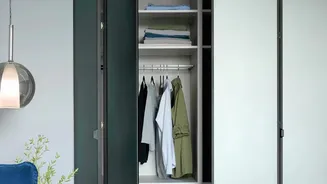
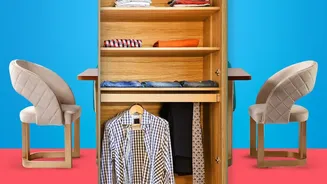
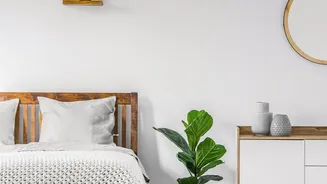
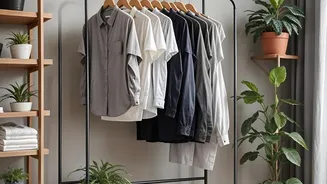
Streamline your morning routine by creating a designated dressing area. If you don’t have space for a separate vanity, a well-organised dresser can do the job. Place a mirror on the wall above it and use small trays or containers to organise makeup and accessories on top. For your clothes, think about accessibility within the wardrobe itself. Adding a second hanging rail can double your capacity. Using hooks on the wall or behind your door can be a great way to hang tomorrow’s outfit, your bag, or a robe, keeping them off the 'chair-drobe'.