
Why Monsoon is Different for Your Plants
The monsoon season dramatically changes the environment for your indoor plants. While you might be protected from the downpours, the air inside your home becomes significantly more humid. This high ambient moisture means that the soil in your pots dries
out much, much slower than it does during the hot summer months. Many plant owners continue with their summer watering schedule out of habit, leading to the single biggest risk for houseplants during this season: overwatering and root rot. The roots, sitting in constantly damp soil, are deprived of oxygen and become a breeding ground for fungi, which can be fatal for the plant.
Ditch the Schedule, Trust the Soil
The single most important change to make during the monsoon is to stop watering on a fixed schedule. Instead of watering every few days, you must check the soil first. The 'finger test' is the most reliable method: insert your finger about an inch or two into the topsoil. If the soil feels moist, do not water the plant. Wait another day or two and check again. Only when the top layer of soil feels dry to the touch should you consider watering. For many common indoor plants, this might mean watering only once every 10 to 15 days during the peak of the monsoon, a stark contrast to the summer routine.
Spotting the Danger Signs of Overwatering
Your plants will give you clear signals if they are getting too much water. A common sign of overwatering is leaves turning yellow and feeling soft or limp, rather than dry and crispy. You might notice that both new and old leaves are dropping. Another major red flag is a musty or rotten smell coming from the soil, which indicates that root rot has already begun. The stem of the plant may also feel soft or mushy at the base. Fungus gnats, those tiny flying insects buzzing around your plants, are also a common sign that the soil is staying too wet for too long.
Smart Watering and Drainage Strategies
When you do water, do it correctly. Water the soil directly at the base of the plant, avoiding the leaves, as wet foliage in a humid environment can encourage fungal diseases. Ensure your pots have adequate drainage holes. If you use decorative pots without holes, place your plant in a smaller plastic pot with holes inside it. After watering, always empty the saucer or tray beneath the pot to ensure the plant is not sitting in stagnant water. Elevating pots on stands or bricks can also improve drainage and airflow around the base.
Beyond Watering: Other Monsoon Care Tips
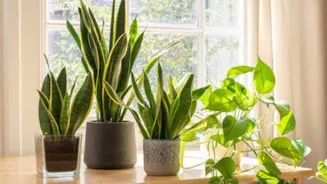
While watering is critical, a few other adjustments can help your plants thrive. With cloudy skies reducing sunlight, move your plants closer to windows to maximise their light exposure. Good air circulation is also key to preventing fungal growth; if your space is very stuffy, a small fan set on low for a few hours can help. Finally, hold back on the fertiliser. Most plants enter a slower growth phase during the monsoon and do not require the extra nutrients. Feeding them during this time can burn the roots in the moist soil.