






A Search for Something Real
In the urban culinary landscape, fatigue with standardised menus is growing. Diners are increasingly searching for authenticity—food that comes with a story, a sense of place, and a connection to tradition. Generic fare, while convenient, often lacks
a distinct identity. This quest for genuine culinary experiences has opened the door for hyper-regional cuisines to find an audience. Tribal food, with its deep roots in specific ecologies and communities, offers exactly that. It's a direct counterpoint to the homogenised flavours of mainstream fast food, providing a taste of something grounded, unique, and largely unexplored by the average city dweller.
The Taste of Ancestral Kitchens
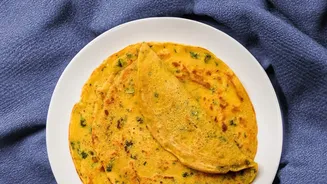
The flavours of tribal cuisine are as diverse as India's indigenous communities. In Nagaland, you might find dishes built around fermented soybeans (Axone) and smoked pork, offering pungent, deeply savoury notes that are rare in other Indian cuisines. A simple Naga meal might consist of rice, smoked meat, boiled vegetables, and a fiery chilli sauce. From Jharkhand, you might order Dhuska, a fried bread made from rice and lentil flour, often served with a simple curry. These dishes use ingredients foraged from the wild or grown in traditional ways, such as bamboo shoots, colocasia leaves, and a variety of local herbs. The cooking methods are often straightforward—boiling, smoking, and steaming—letting the quality of the core ingredients shine through without heavy spices.
Naturally Healthy and Sustainable
Long before 'organic' and 'farm-to-table' became buzzwords, tribal diets were inherently built on these principles. Indigenous food systems often rely on what the immediate environment provides, resulting in meals free from chemical pesticides and artificial additives. Many tribal diets are rich in nutrients, featuring whole grains like ragi, lean proteins, and foraged greens. Dishes are often low in oil and rely on natural flavourings. This alignment with modern wellness trends is a major draw for health-conscious urban consumers. They are discovering that these traditional meals are not only delicious but also align with a desire for cleaner, more sustainable eating habits that have been perfected over centuries.
The Cloud Kitchen Advantage
The rise of these native cuisines would be much harder without the cloud kitchen model. These delivery-only kitchens slash the high costs associated with traditional restaurants—like prime real estate, seating, and front-of-house staff. An entrepreneur can launch a food brand with a much lower initial investment, often a fraction of what a dine-in establishment would require. This democratises the food industry, allowing home chefs and small-scale entrepreneurs to bring niche, regional food to a wide urban audience. For cuisines with ingredients that aren't widely available or cooking styles that serve a specific palate, the cloud kitchen model minimises financial risk while maximising reach through delivery platforms.
A Plateful of Culture
Ordering from these kitchens is more than just a transaction; it's a form of cultural engagement. It supports indigenous entrepreneurs and helps preserve culinary traditions that are at risk of being lost as younger generations move to cities. Each dish carries the heritage of a community, from the Ao tribe's chicken stew to the Sema tribe's fiery pork curry. For the urban foodie, it's an opportunity to travel with their taste buds, exploring the rich, complex tapestry of India’s lesser-known cultures without leaving home. It fosters a connection, however small, to the people and places behind the food, making the dining experience richer and more meaningful.